
Behind the museum is a Chumash Interpretive Garden. It includes native plants that were used in a variety of ways by the local Chumash. The garden surrounds the Museum patio and parking lot.
This page identifies the native plants in the garden.
Chumash Interpretive Garden
Alumroot
No known Chumash name
Heuchera caespositosa
“Coral Bells”
Saxifrage family
Saxifragaceae
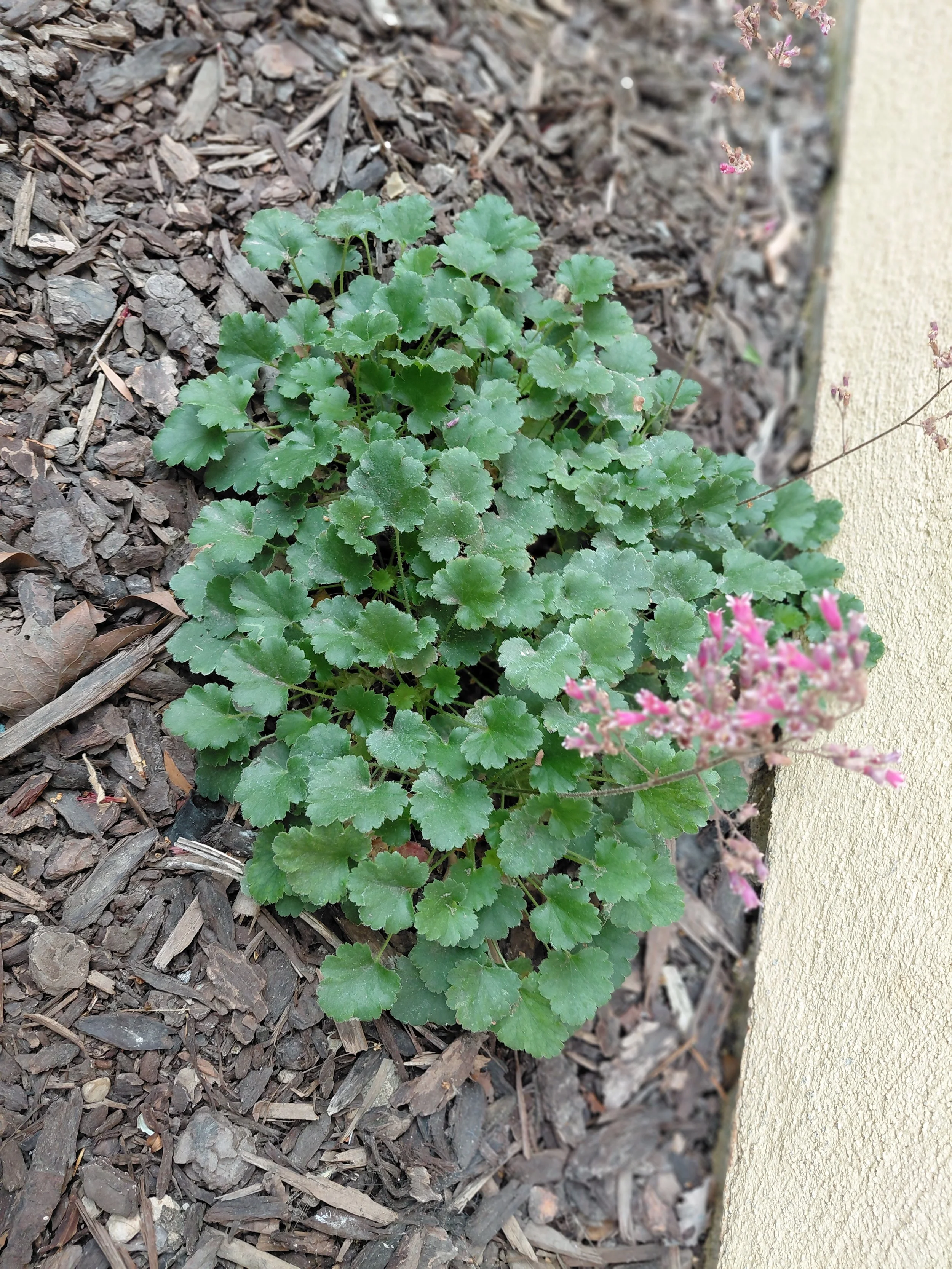
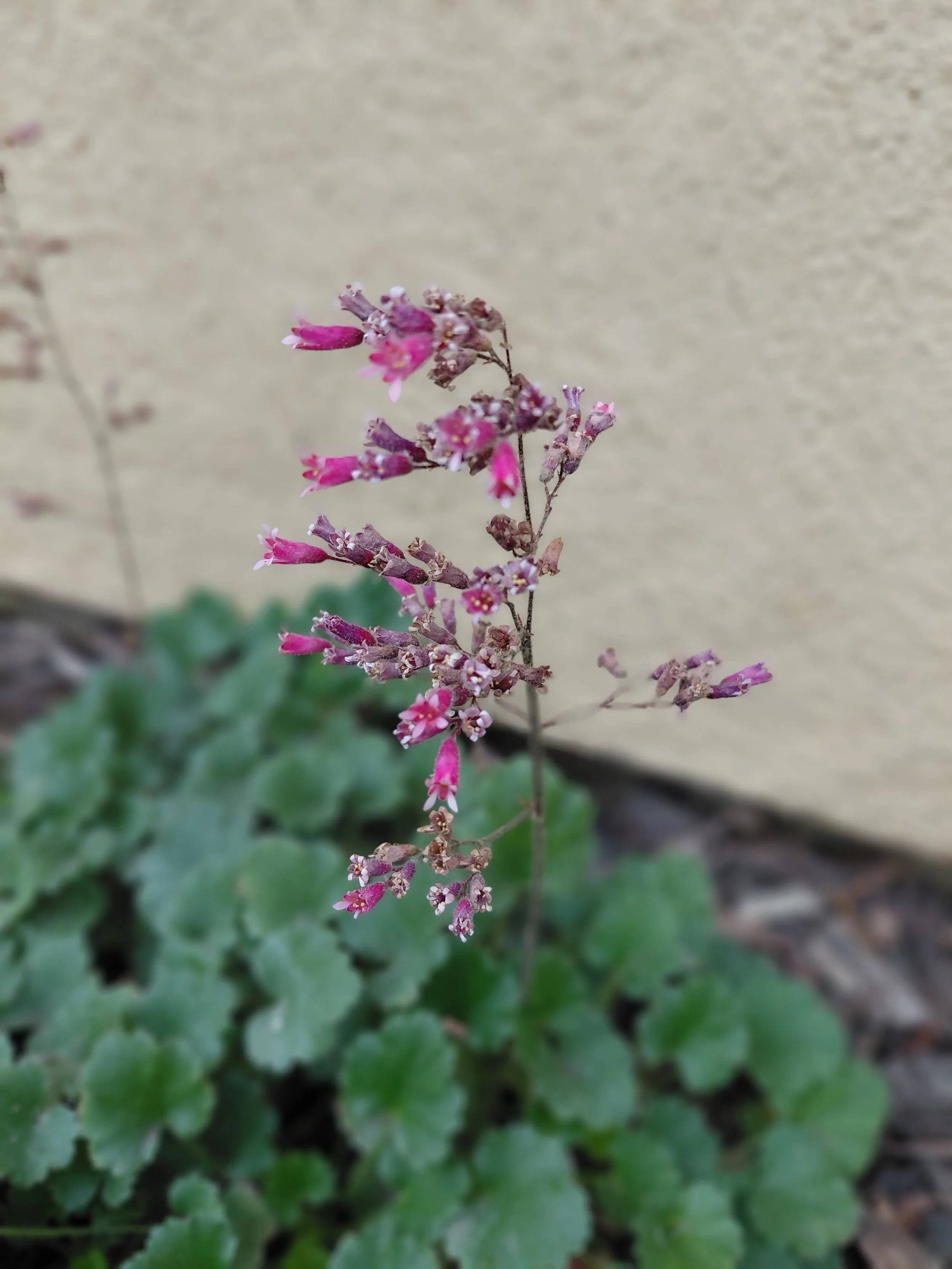
The astringent root is pounded and used as a poultice on wounds, sores, and rashes or boiled to make a tea for diarrhea.
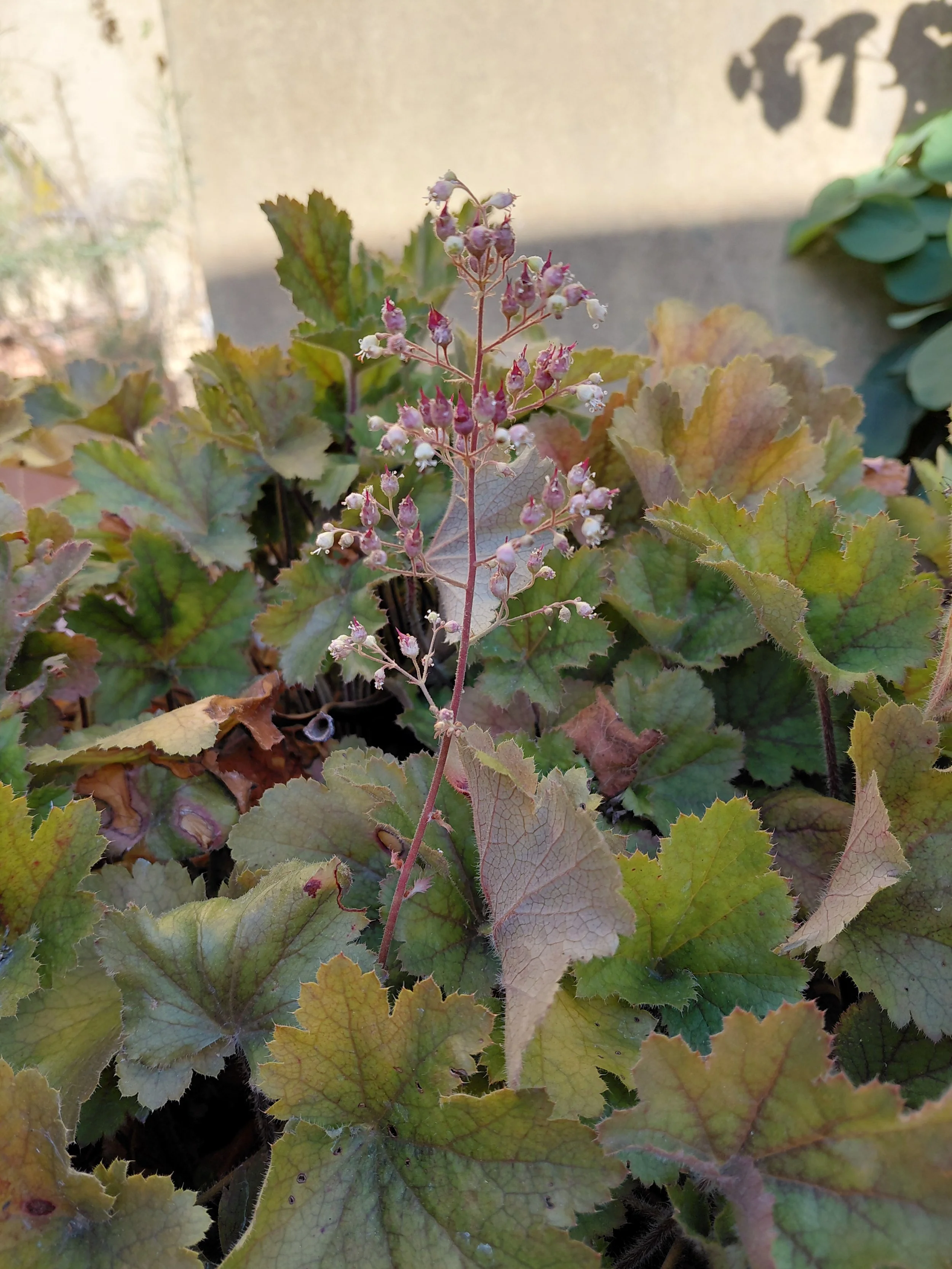
Alumroot, Island
No known Chumash name
Heuchera maxima
“Coral Bells”
Saxifrage family
Saxifragaceae
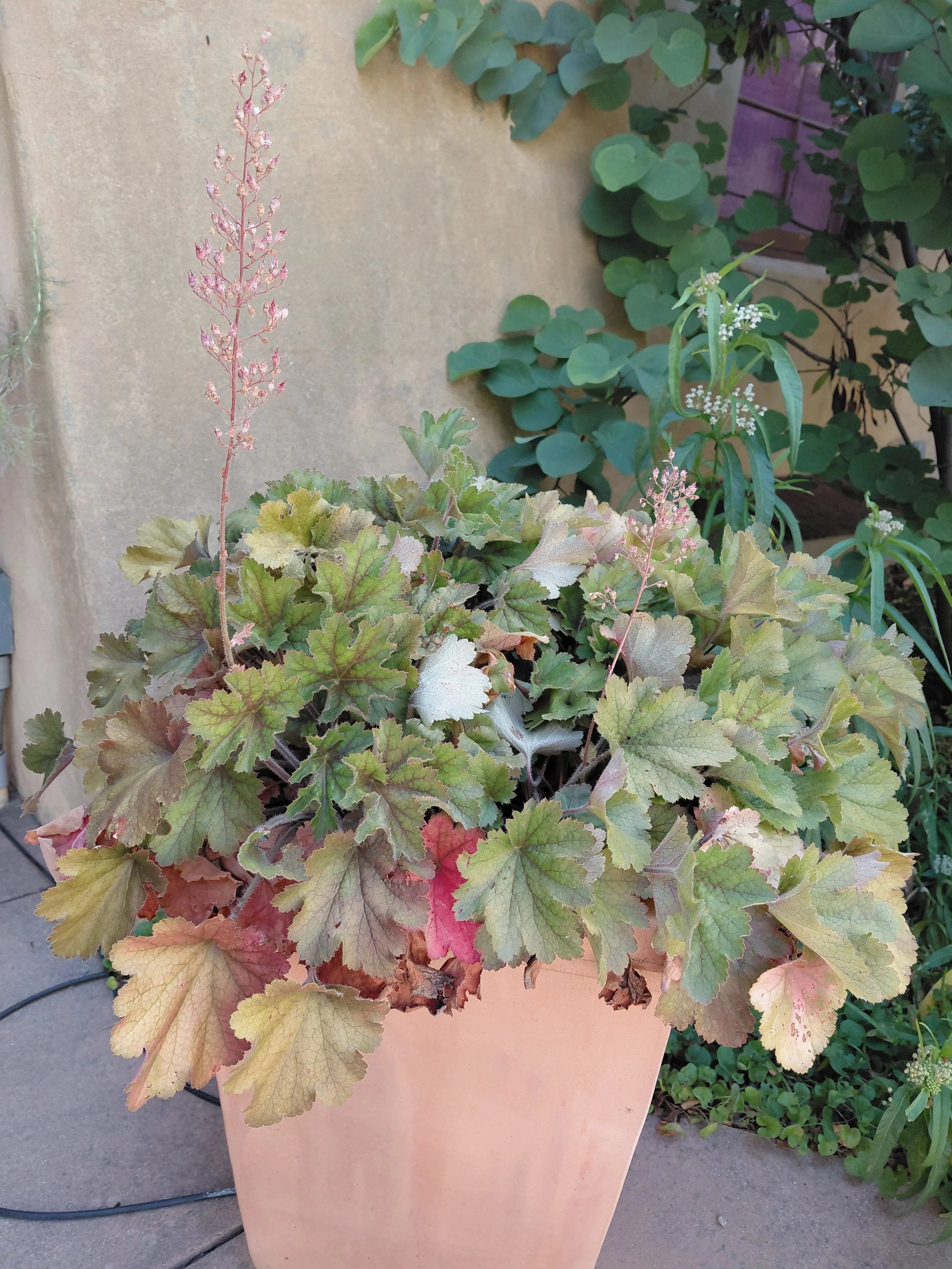
The astringent root is pounded and used as a poultice on wounds, sores, and rashes or boiled to make a tea for diarrhea.
Basket Bush
“shuna'y”
Rhus aromatica
“Three-Leaved Sumac”
Sumac family
Anacardiaceae
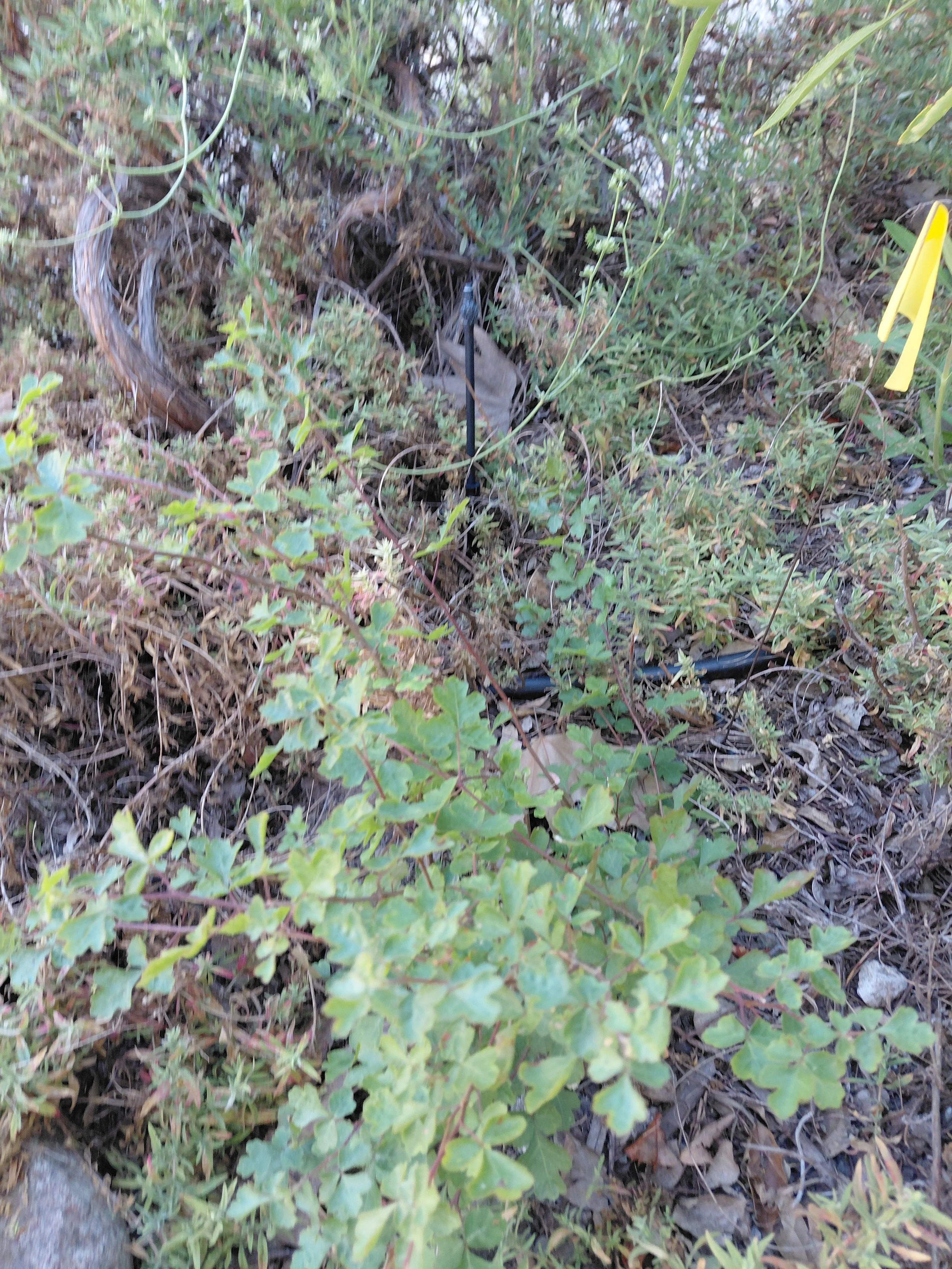
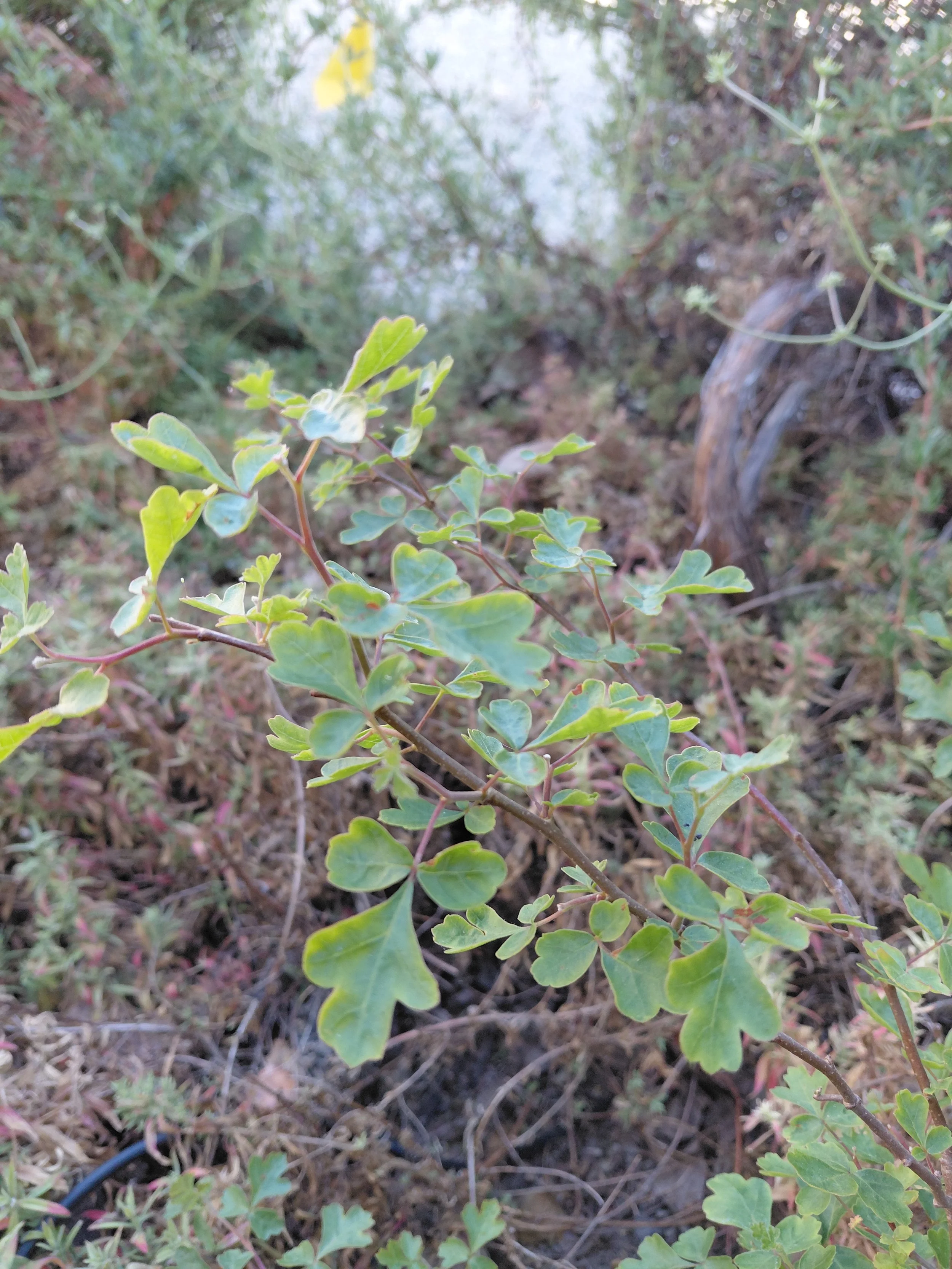
The stems of Basket Bush are used to make several kinds of baskets and a seed beater. Like a tennis racket in size and shape, it is used to harvest seeds. Some tribes eat the tart "sumac berries."
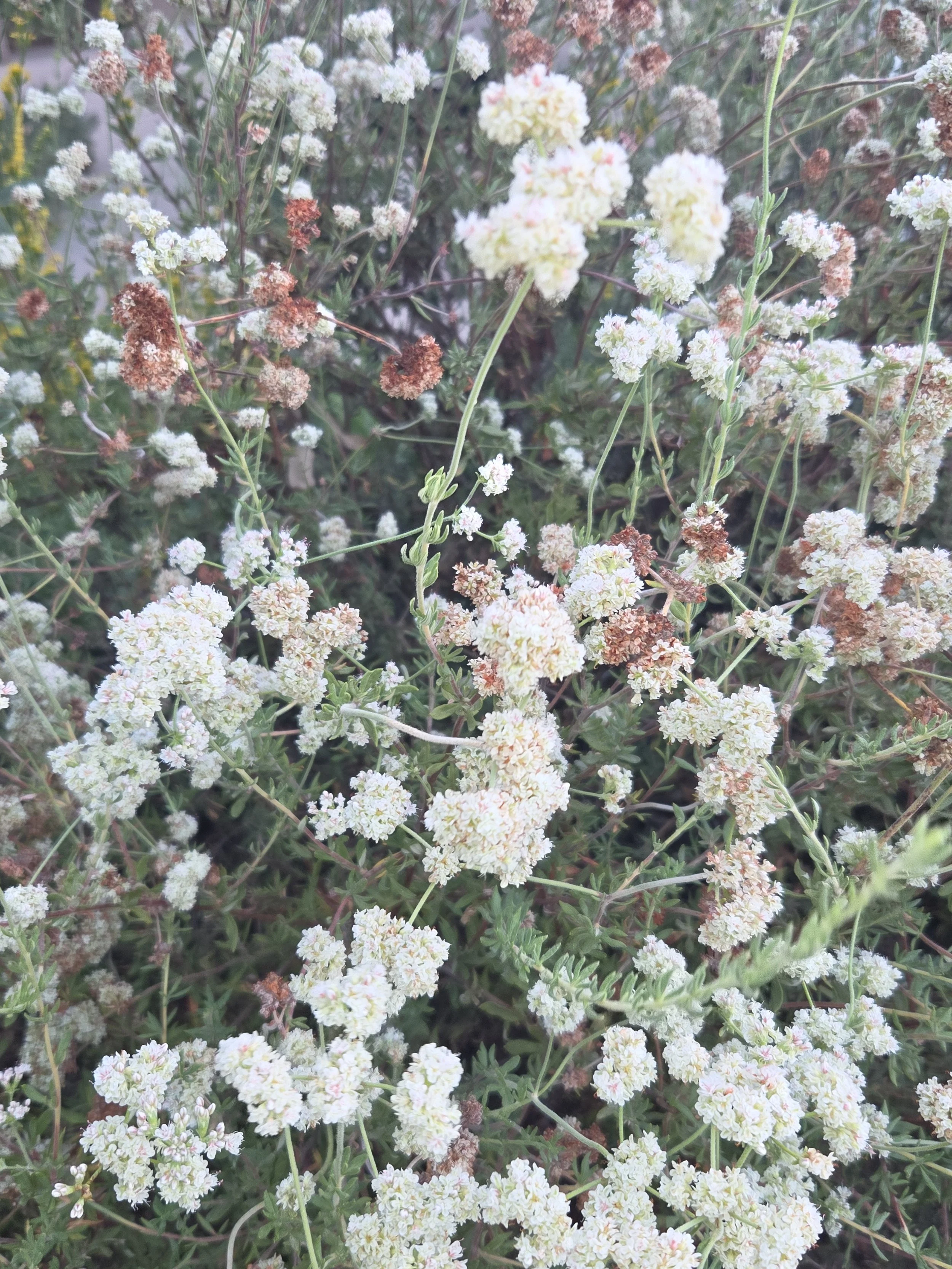
California Buckwheat
“tswana'atl 'ishup”
Eriogonum fasciculatum
Buckwheat fam
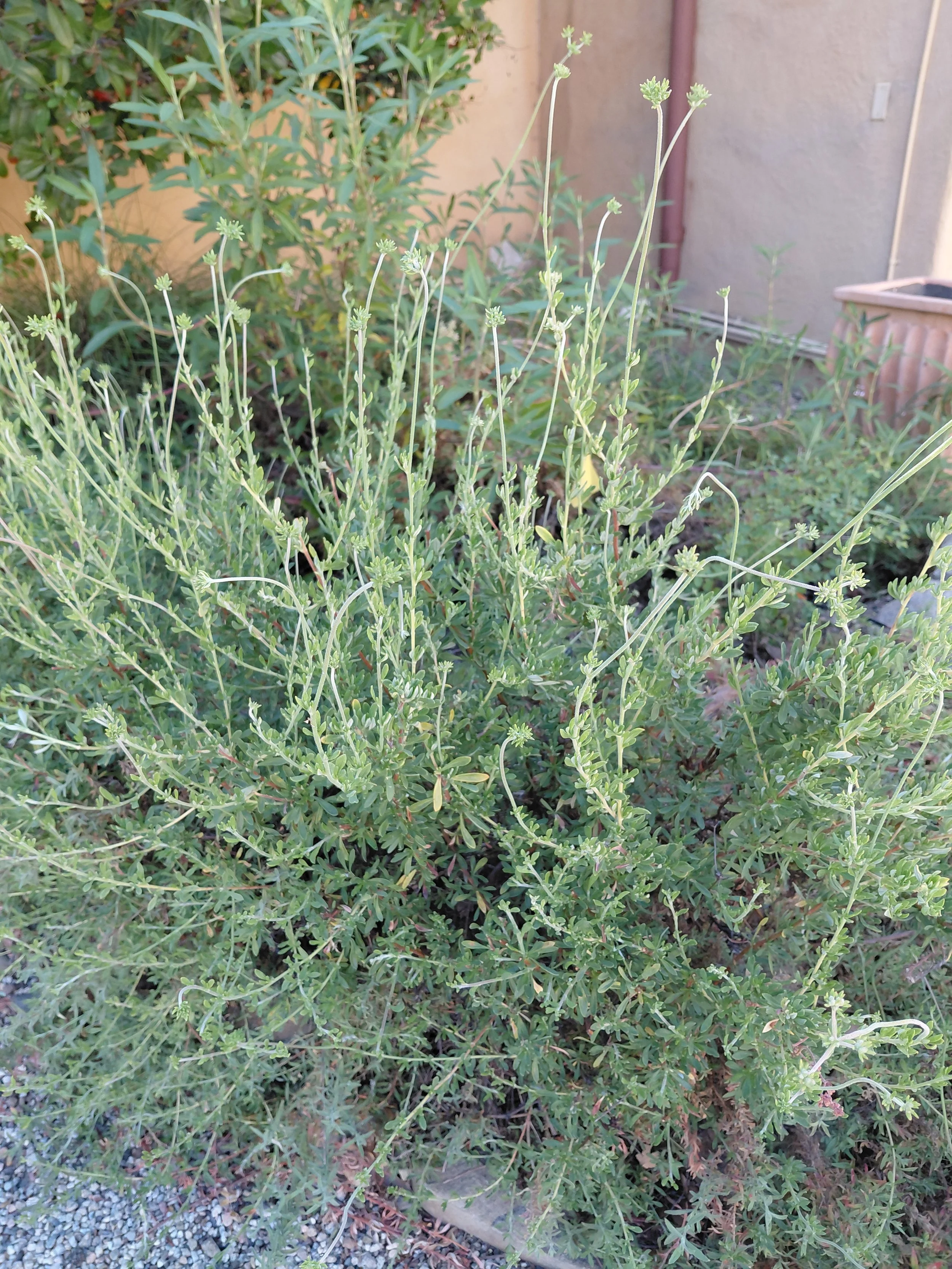
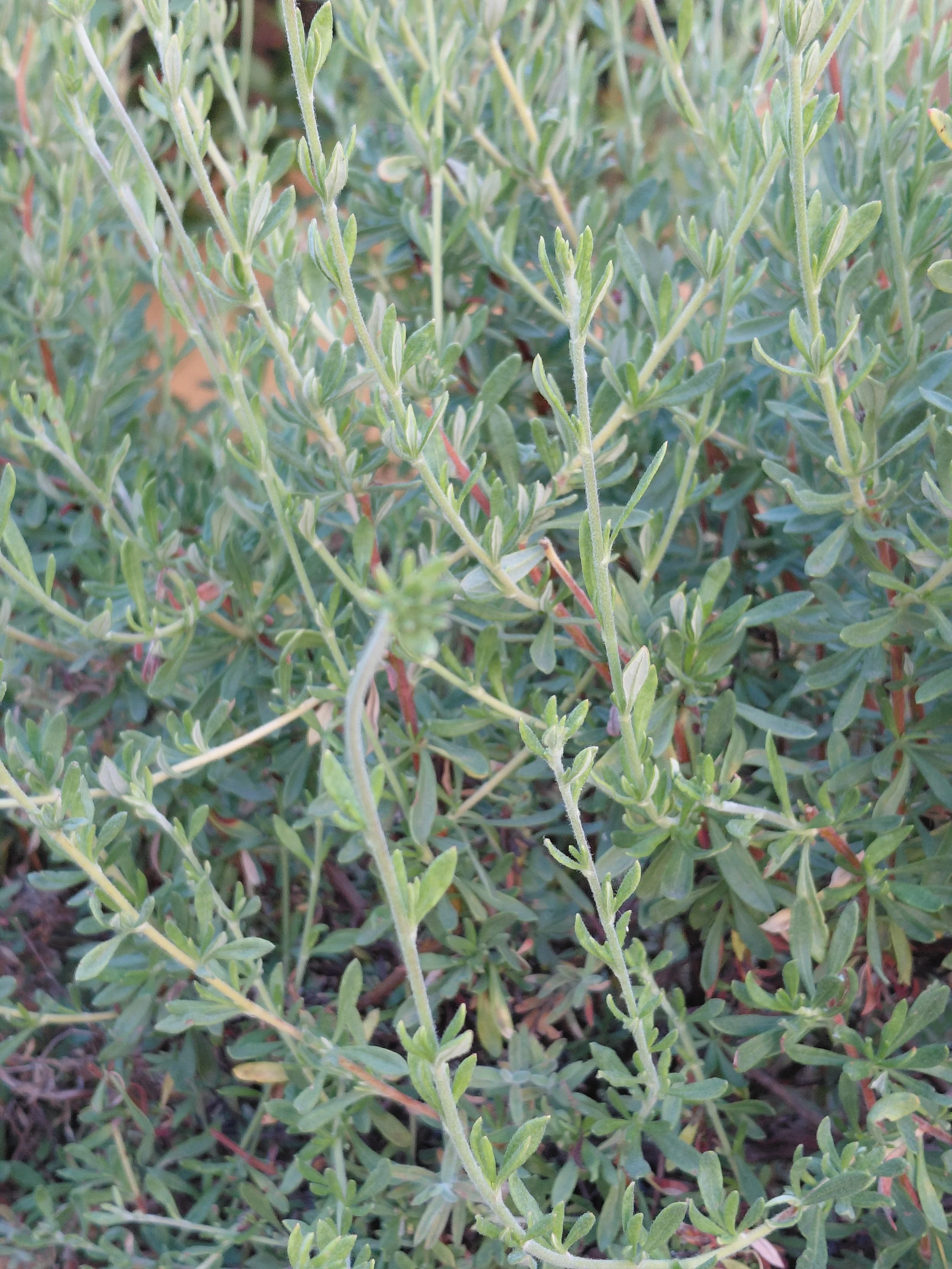
The seeds of California Buckwheat are pounded into a meal and eaten dry or cooked in water to make mush. A tea of the leaves is used for headaches and stomachaches.
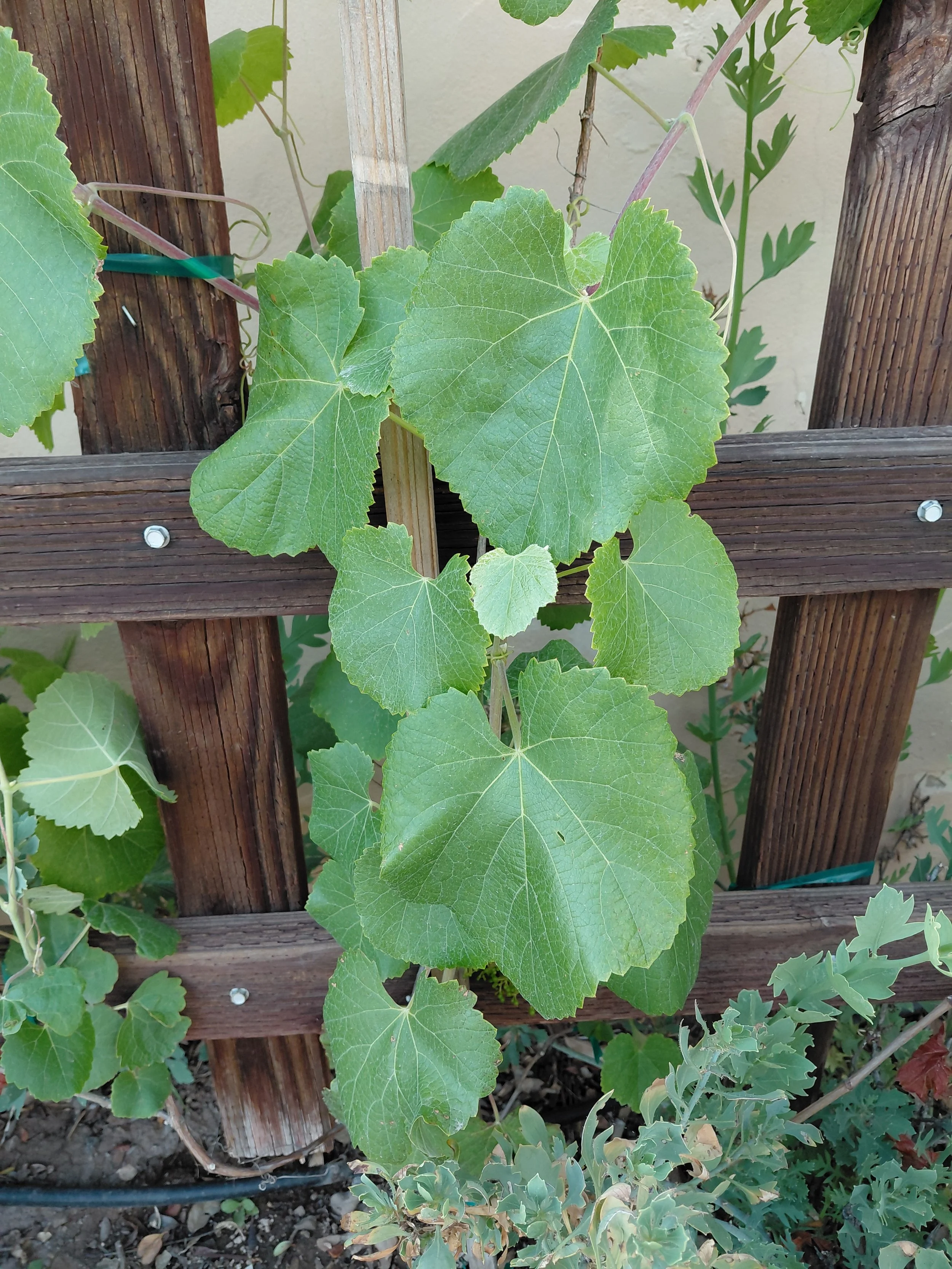
California Wild Grape
“nunit”
Vitis californica
Grape family
Vitaceae
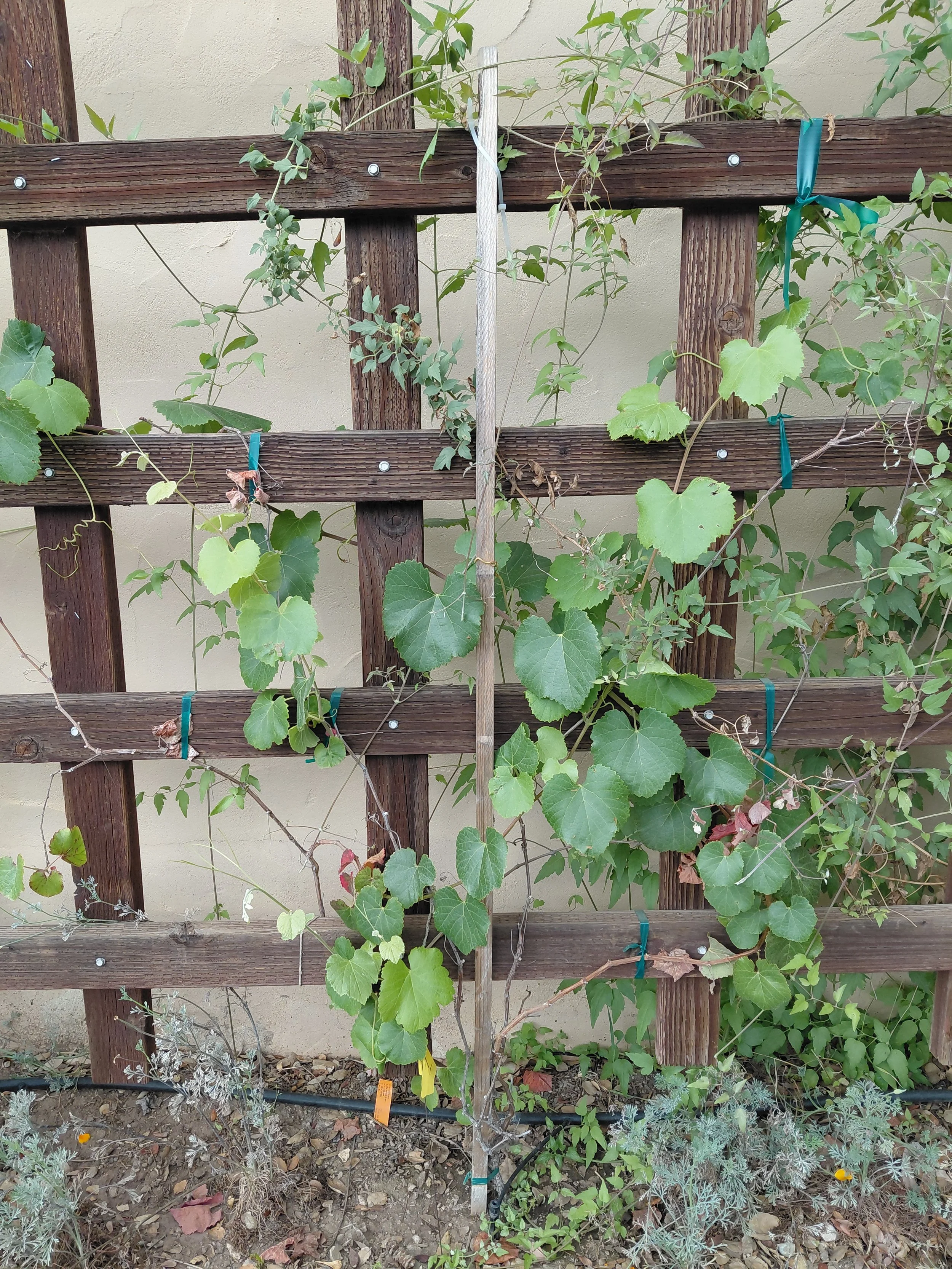
Indigenous California tribes eat the grapes fresh, cooked, or dried into raisins. The rootstock played a role in saving the French wine industry from a blight caused by an aphid in the 1800s.
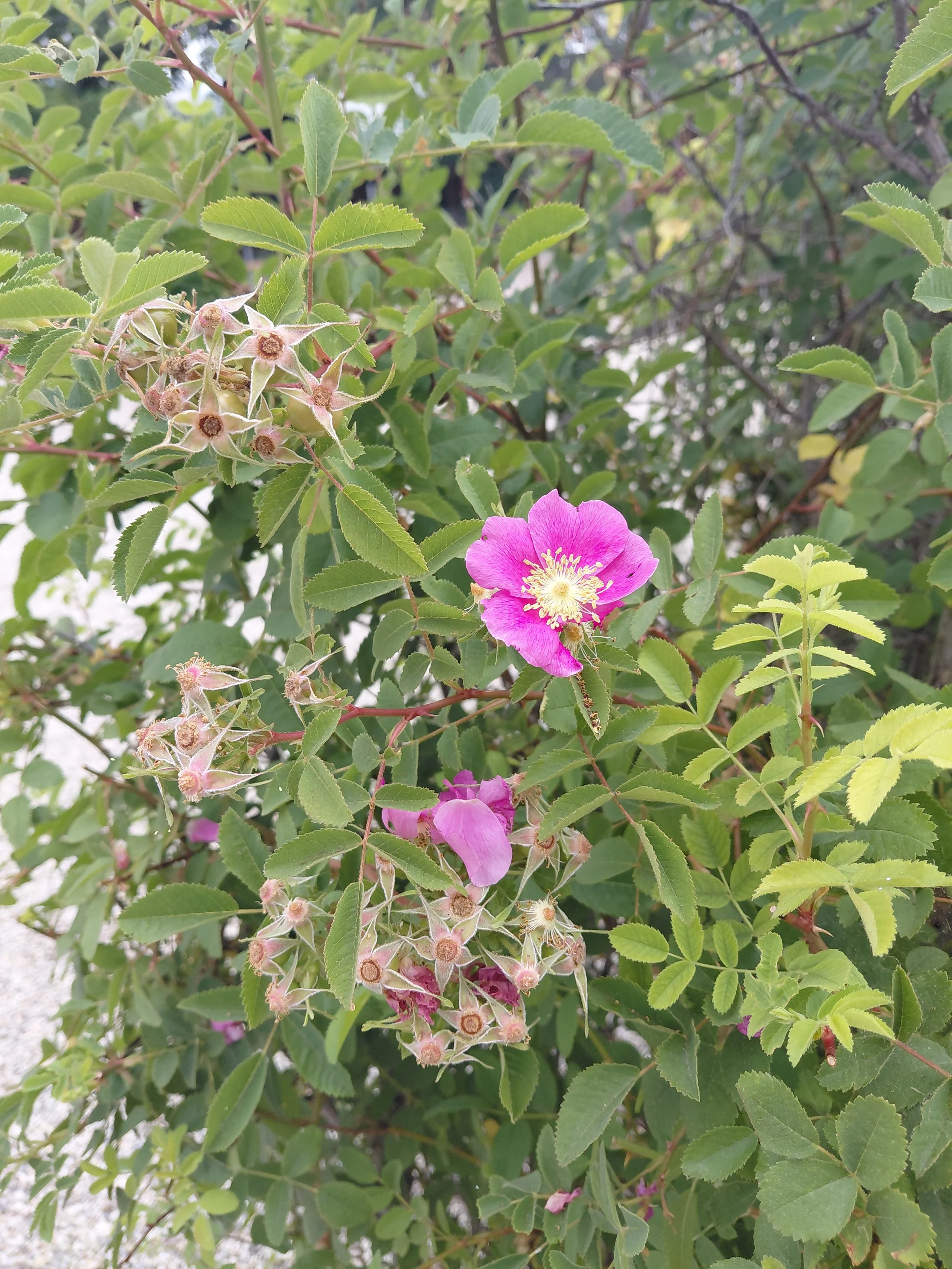
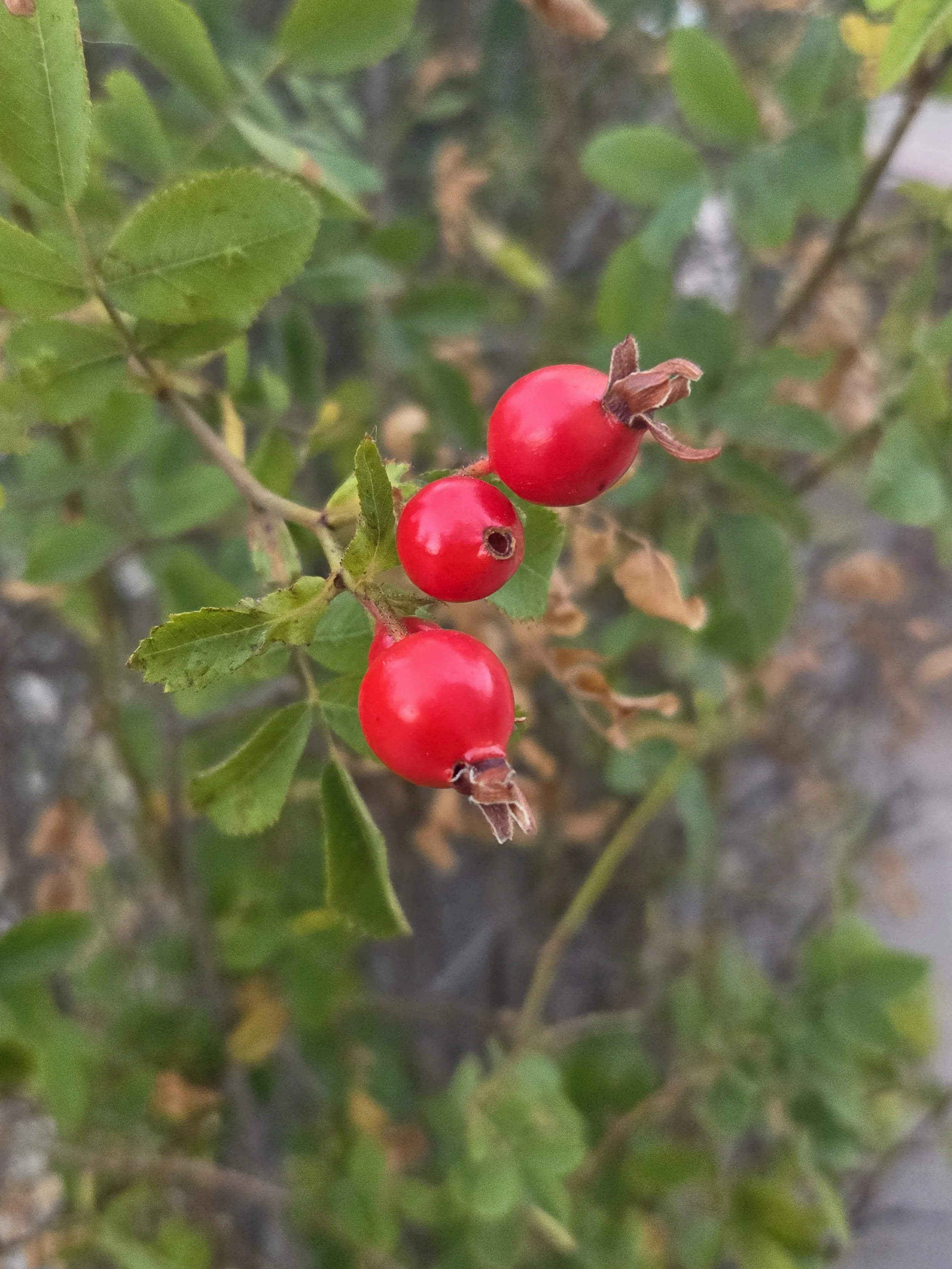
California Wild Rose
“watiq'oniq'on”
Rosa californica
Rose family
Rosaceae
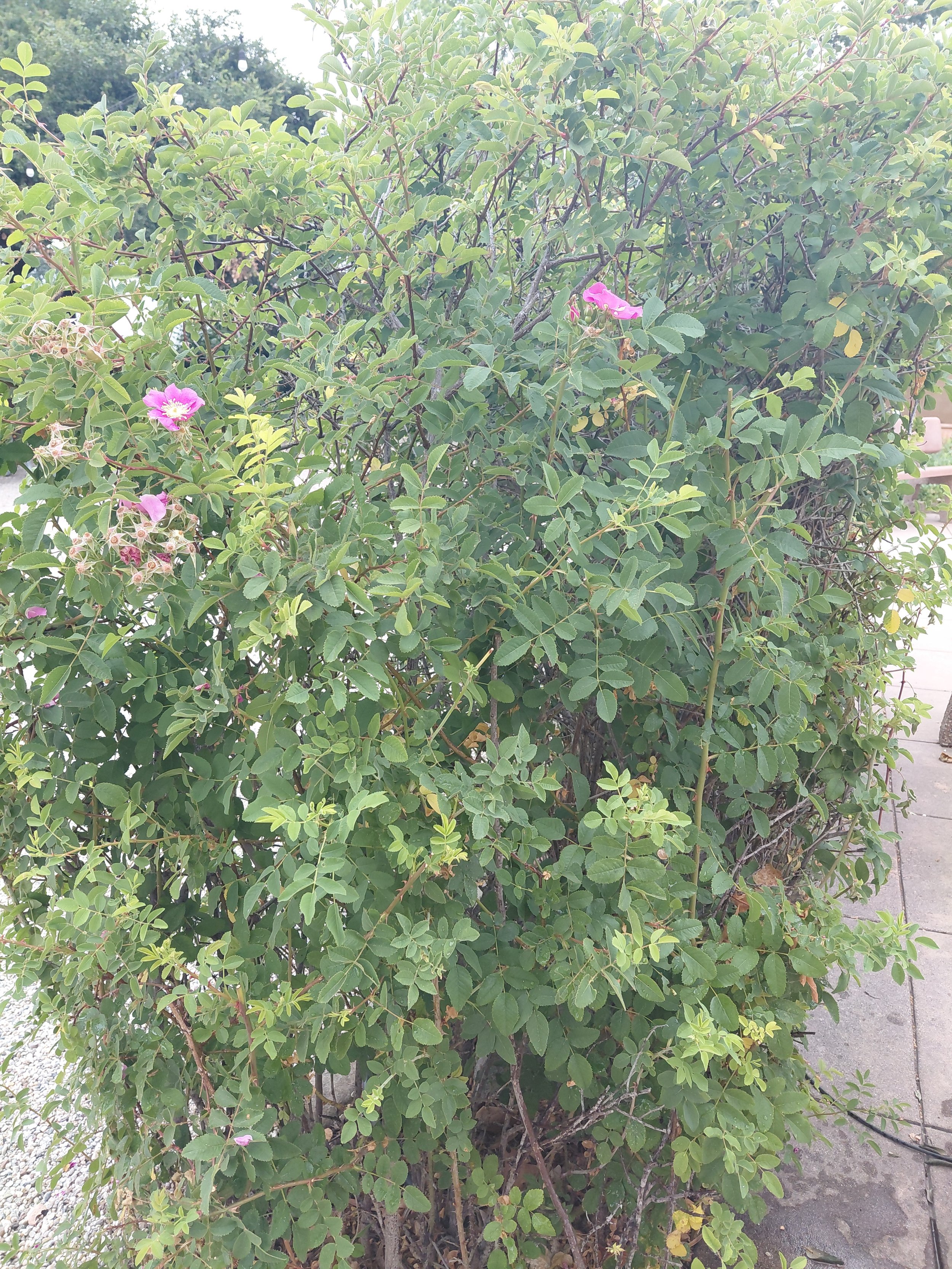
The Chumash apply fresh rose petals mashed in water to babies' gums for teething pain. The dried petals are powdered for treating chafing and skin rash in babies. Steeped rose petal tea is given for colic. The fruits of the rose, or rose hips, are eaten. They also are strung and worn by children as necklaces and earrings.
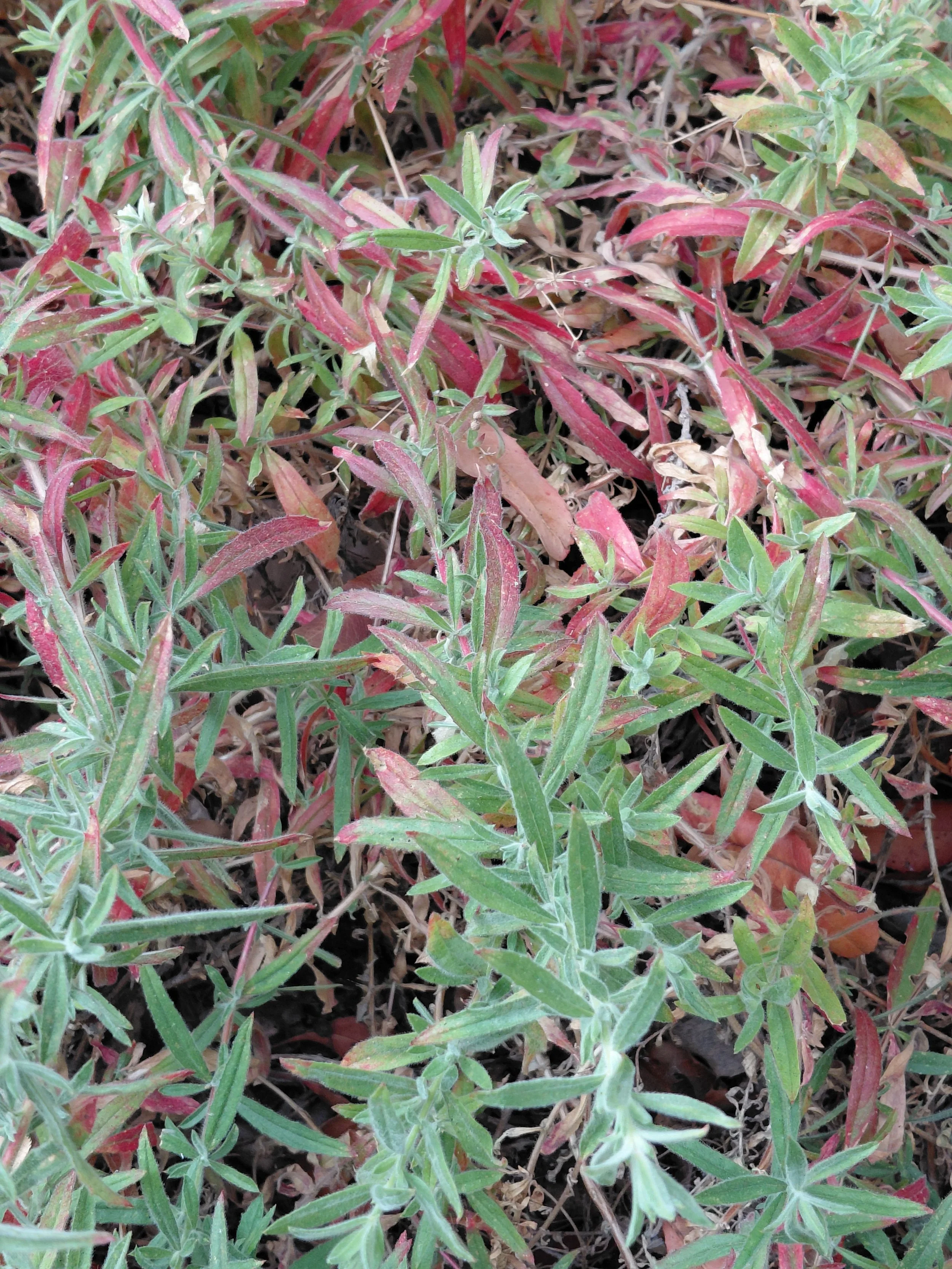
California-Fuchsia
“s'akht'utun 'lyukhuts”
Epilobium canum
“Zauschneria”
Evening Primrose family
Onagraceae
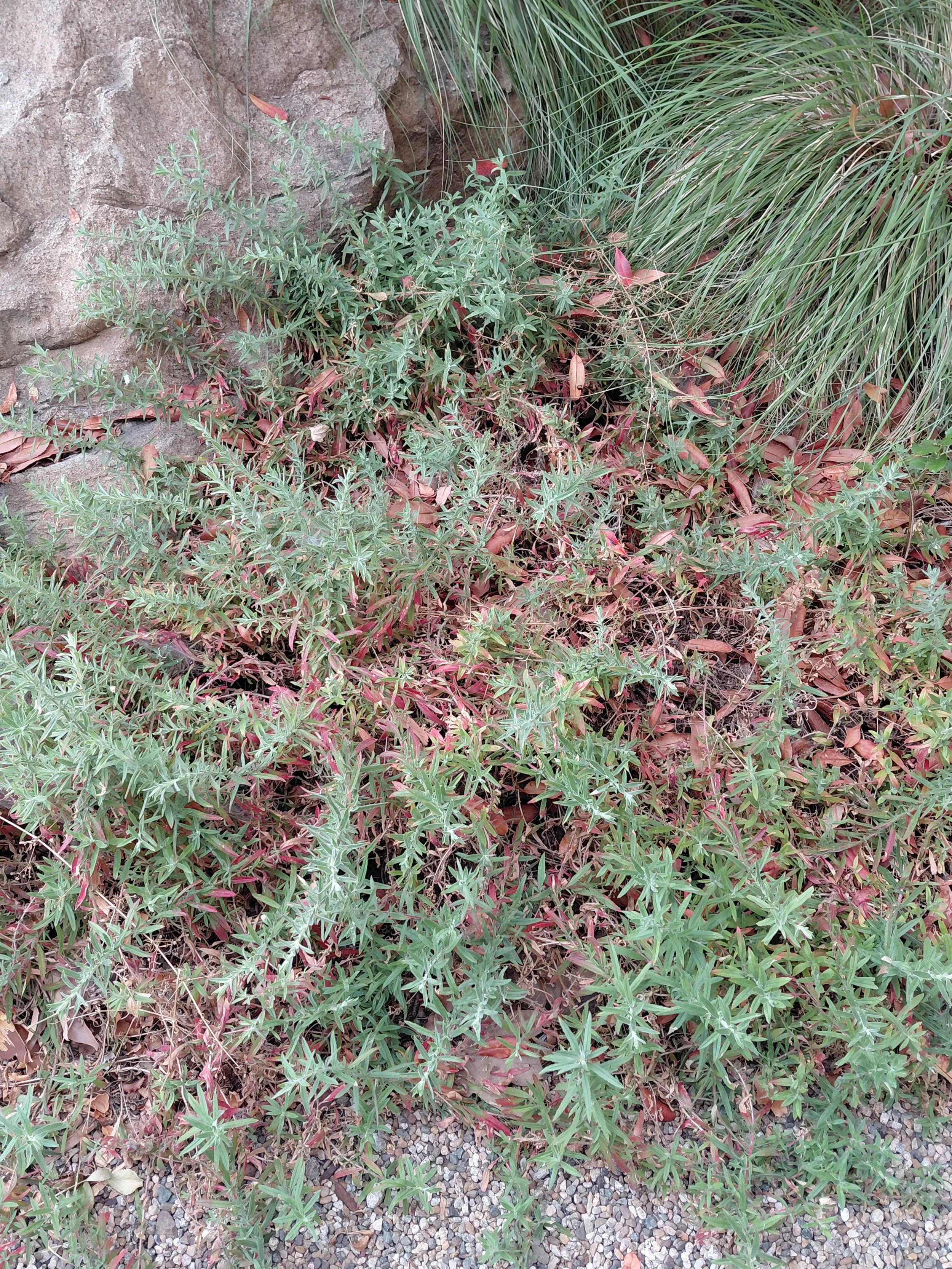
Indigenous Californians apply dried California-Fuchsia leaves as a powder or wash to treat cuts, sores, and sprains. A tea is used to help women during their moon time and after childbirth. The Chumash name means "hummingbird sucks it."
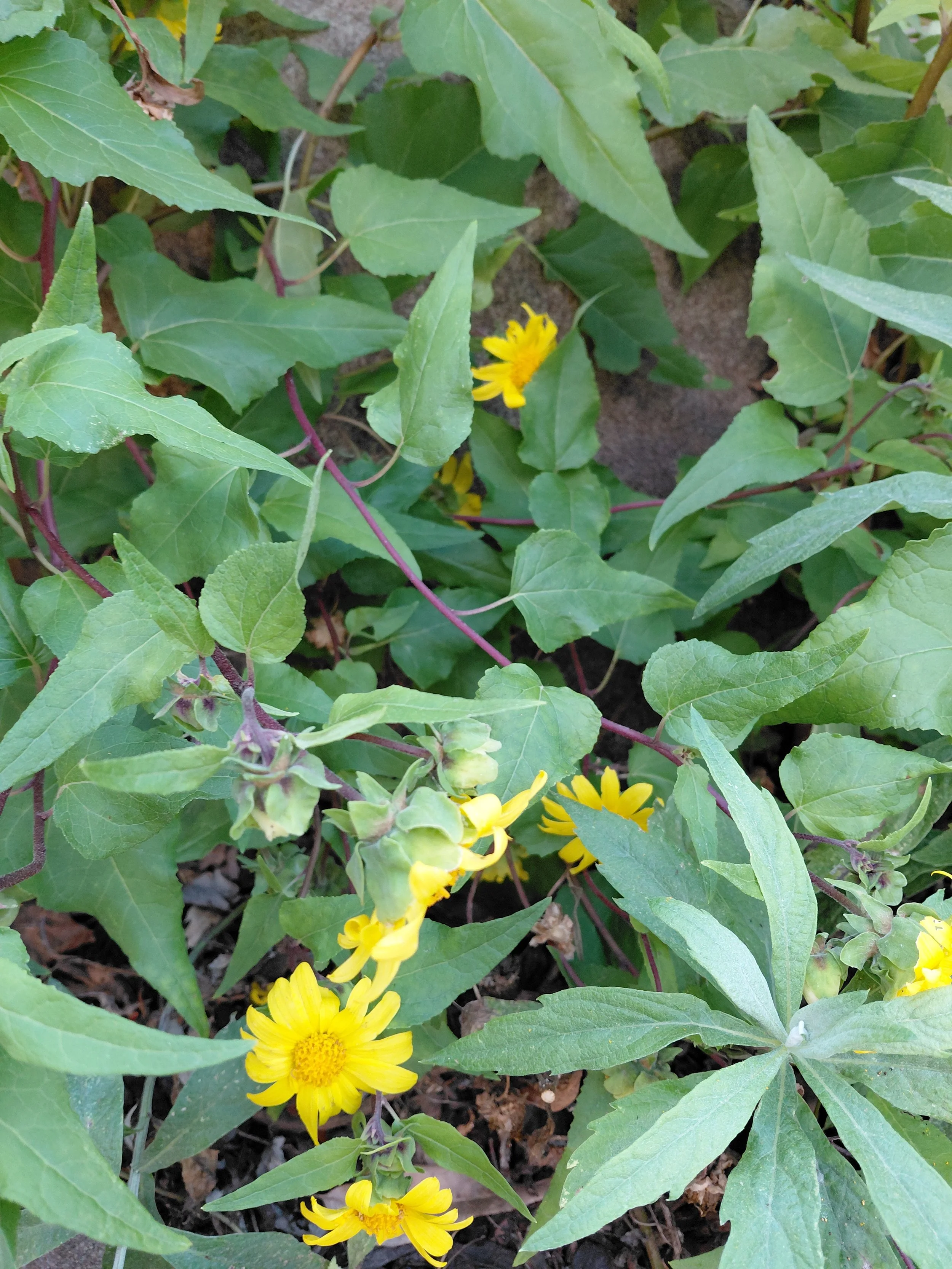
Canyon-Sunflower
No known Chumash name
Venegasia carpesioides
Bush-Sunflower
Sunflower family
Asteraceae
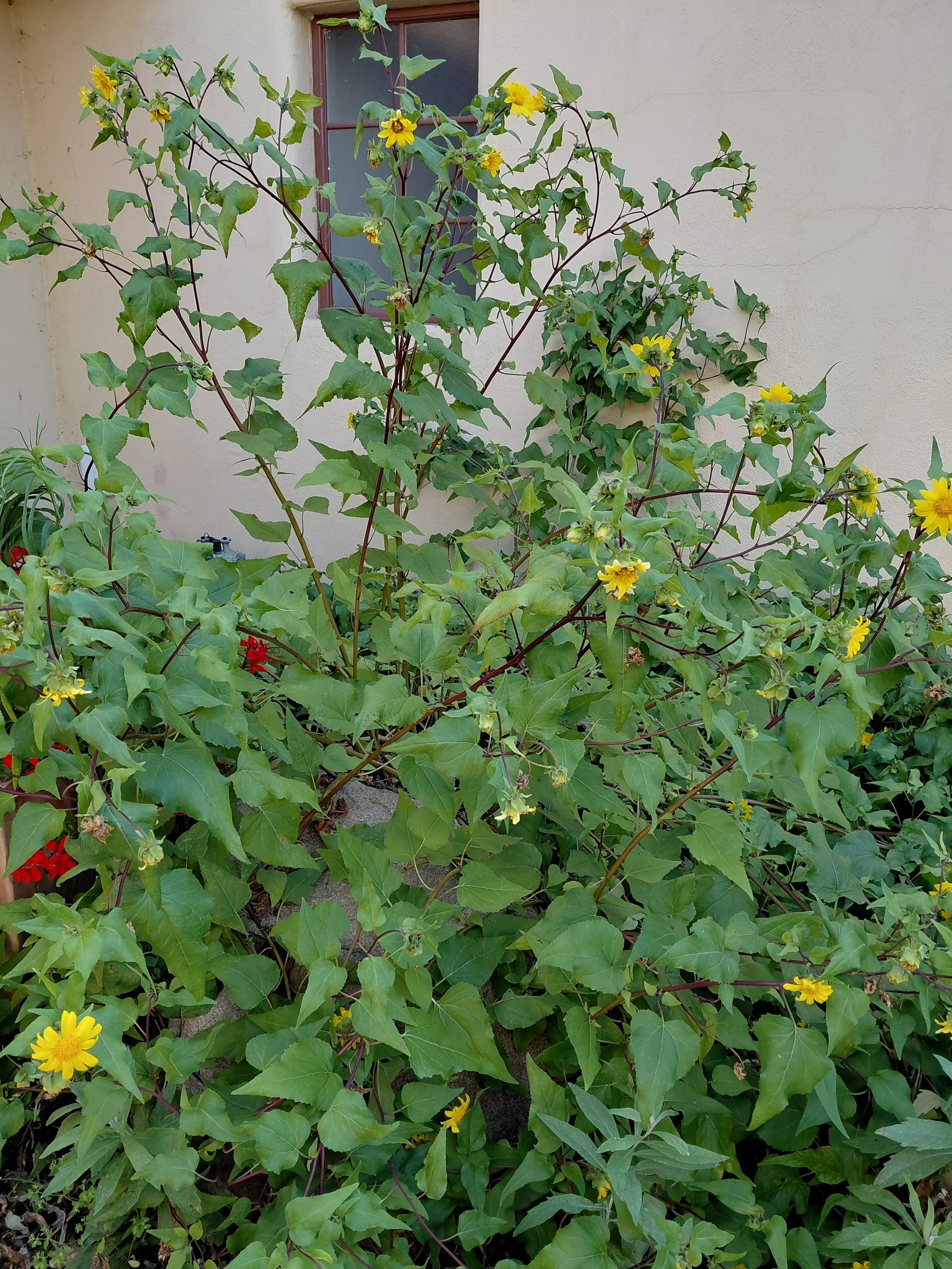
Many seeds are eaten by the Chumash. Most seeds are harvested into baskets with a small, wicker seed beater, often made from willow branches. There is no recorded use of wild sunflower seeds, but they may have been eaten.
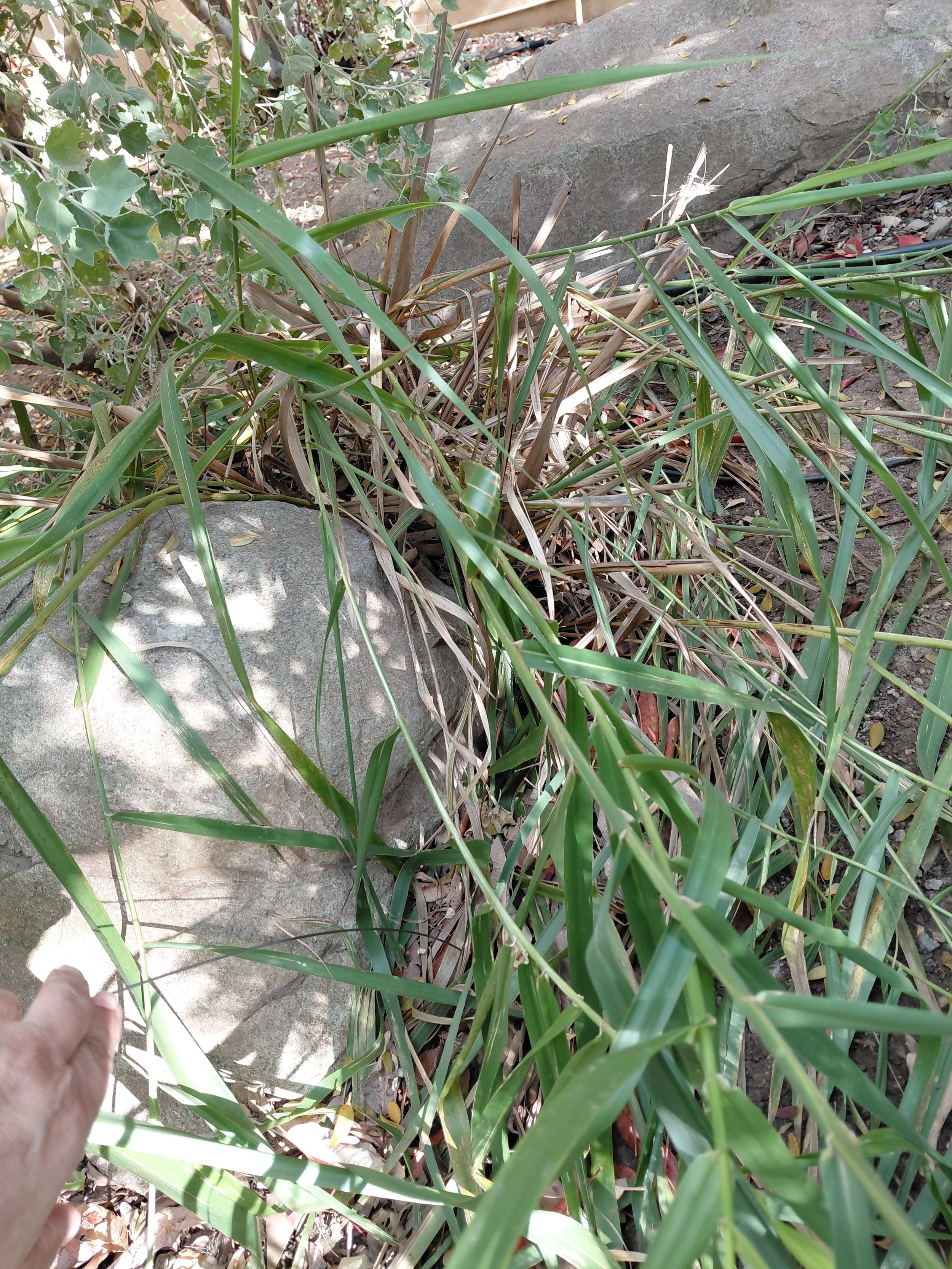
Carrizo
“shakh”
Elymus condensatus
Giant Wild-Rye Grass
Grass family
Poaceae
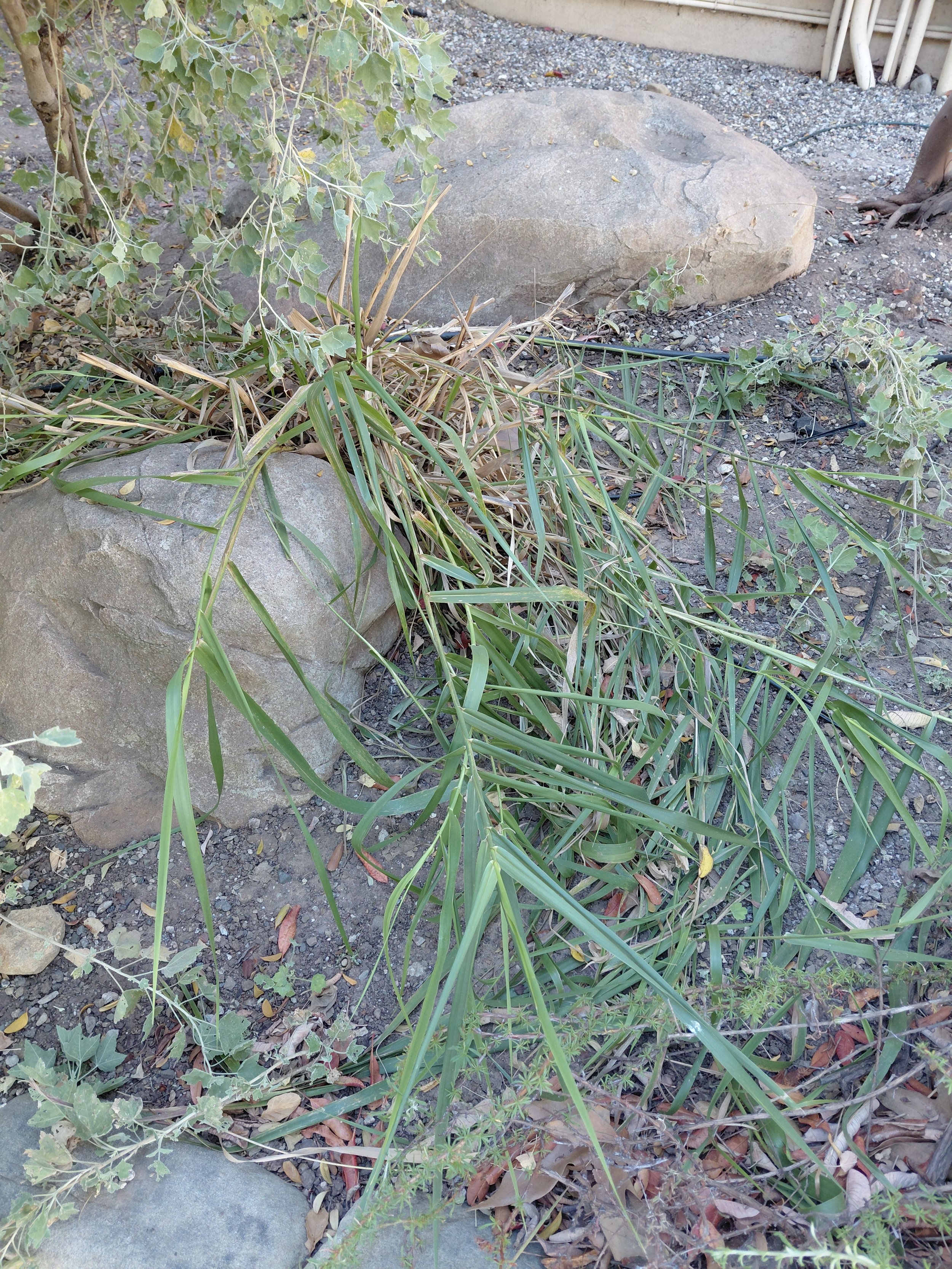
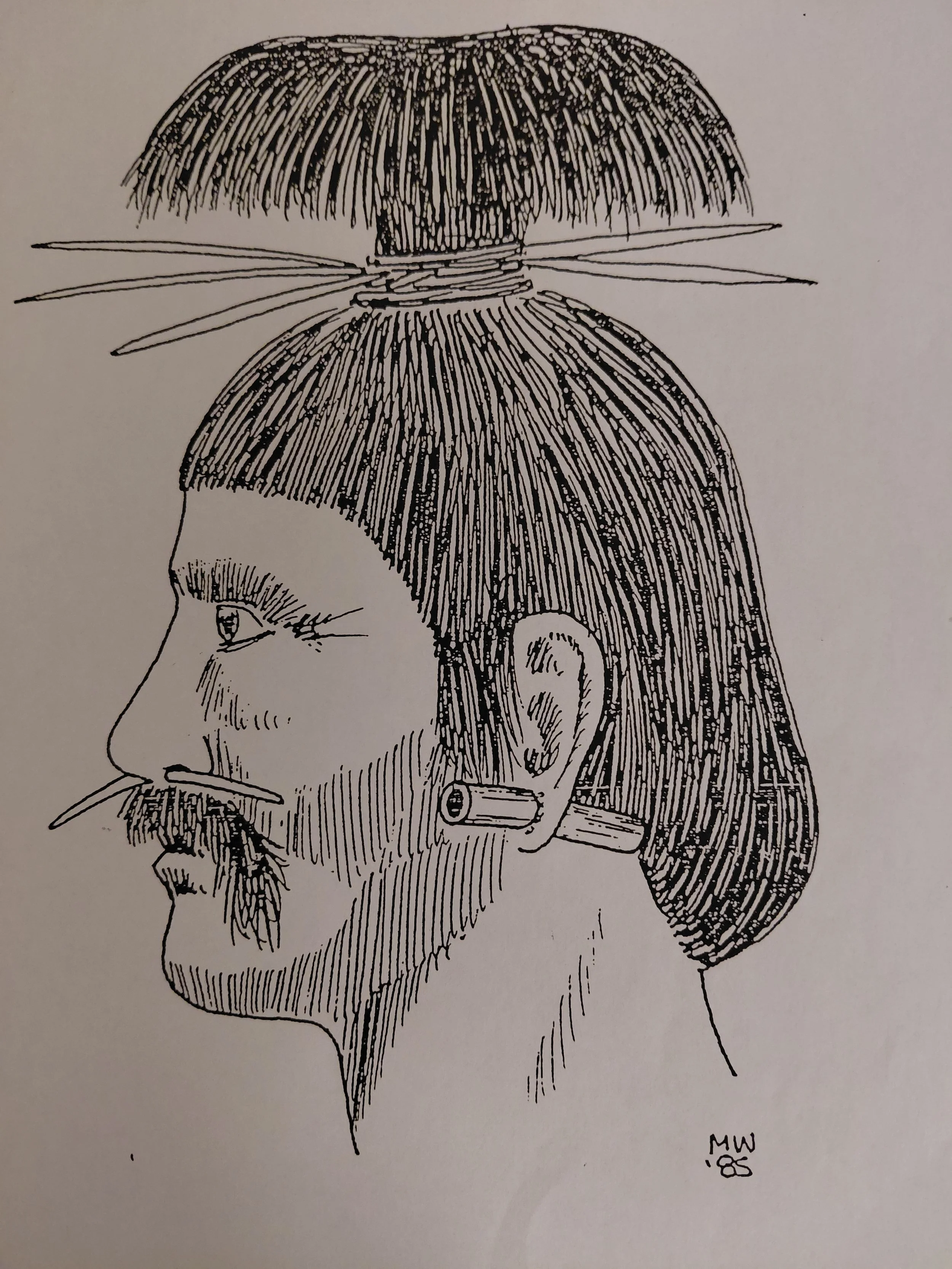
The word topo means abundance of carrizo. The Chumash call our mountain range sistoptopo, or topatopa, today. The hollow stem can be capped and used as a container tube inserted in a pierced ear lobe, as an arrow shaft, or made into a knife to cut the umbilical cord. Aphid honeydew on carrizo was once used for sugar.
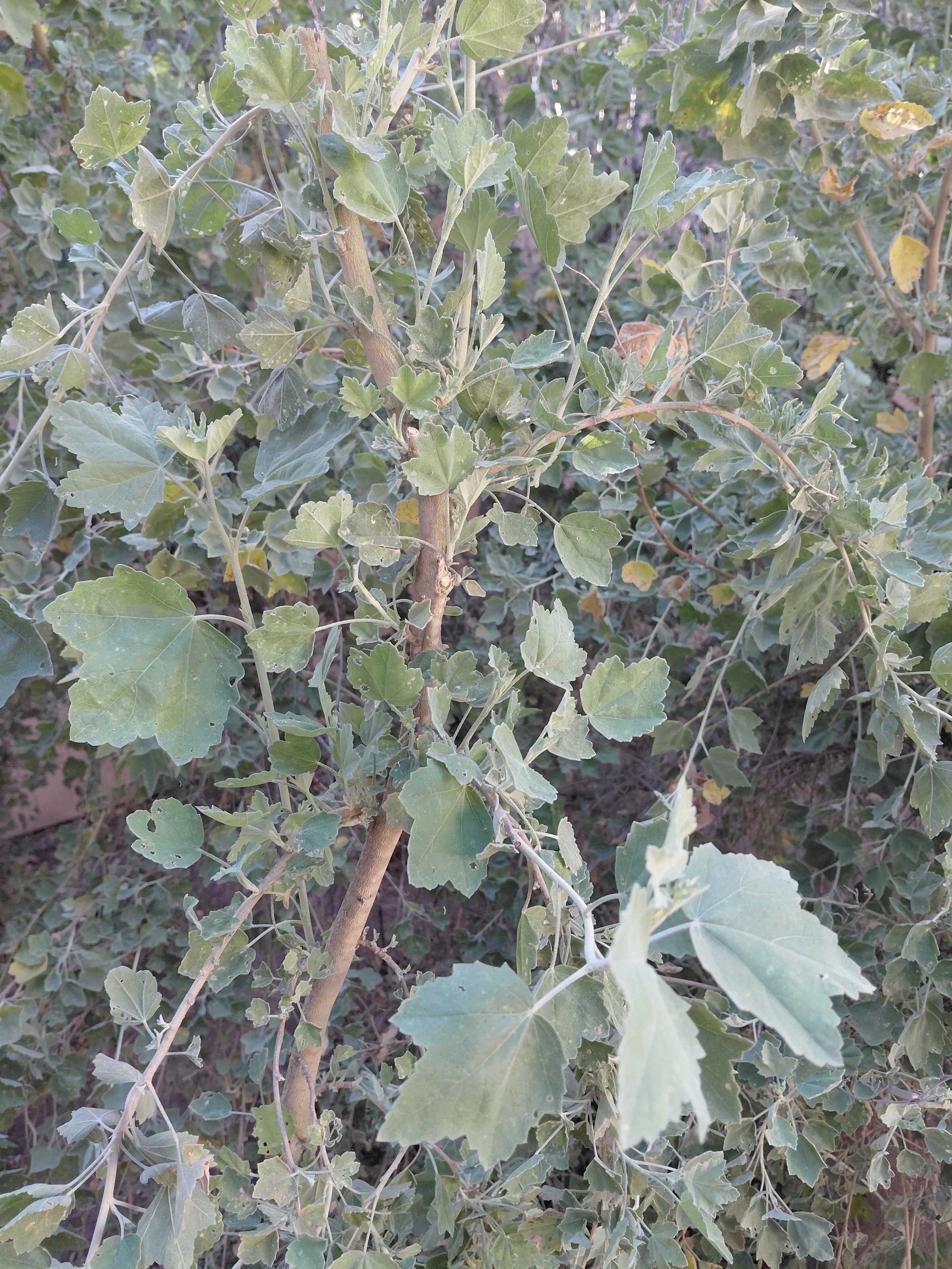
Chaparral Bushmallow
“khman”
Malacothamnus fasciculatus
Mallow family
Malvaceae
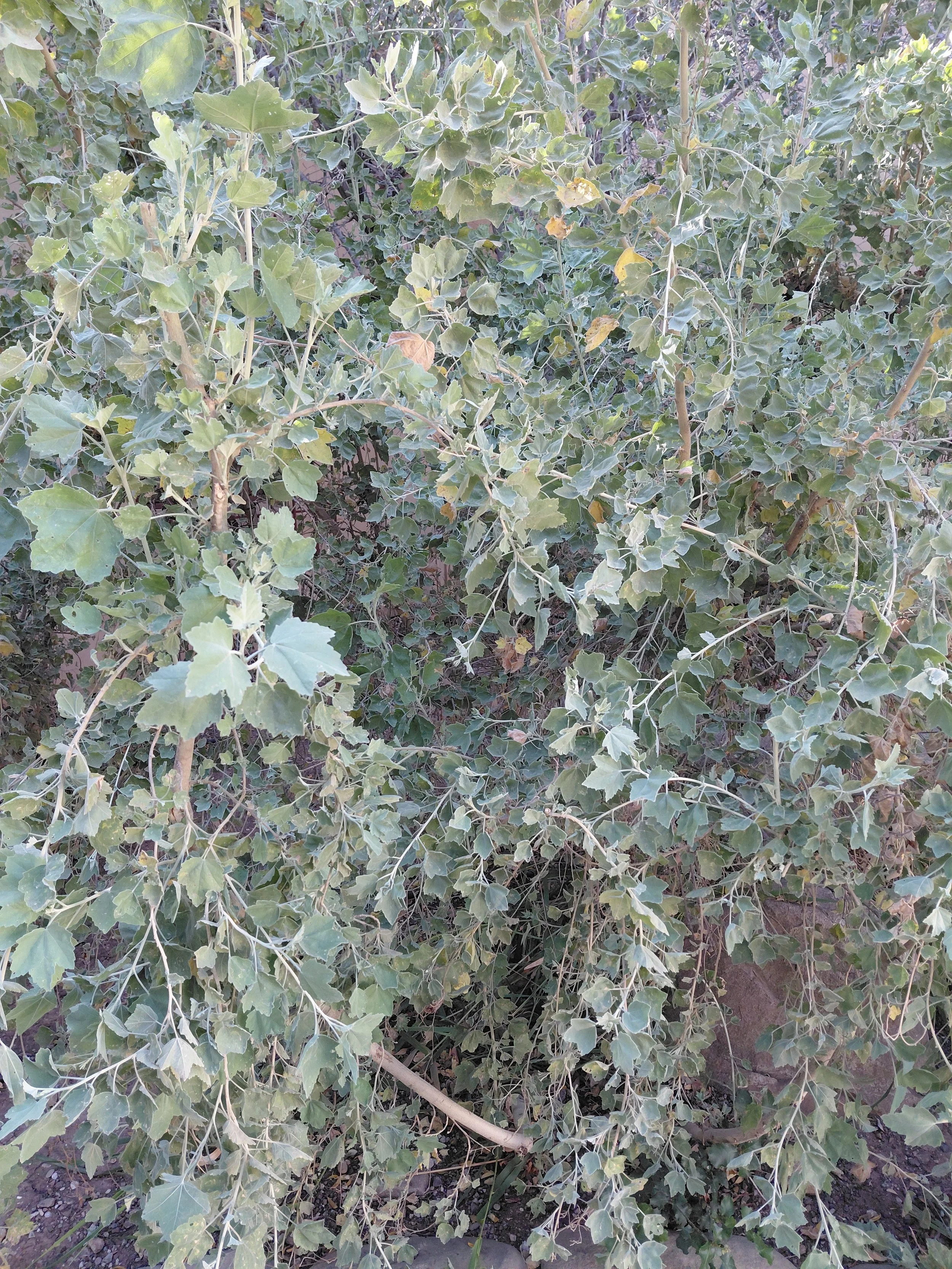
The fresh flowers can be eaten in a salad. The leaves are boiled for an emetic tea.
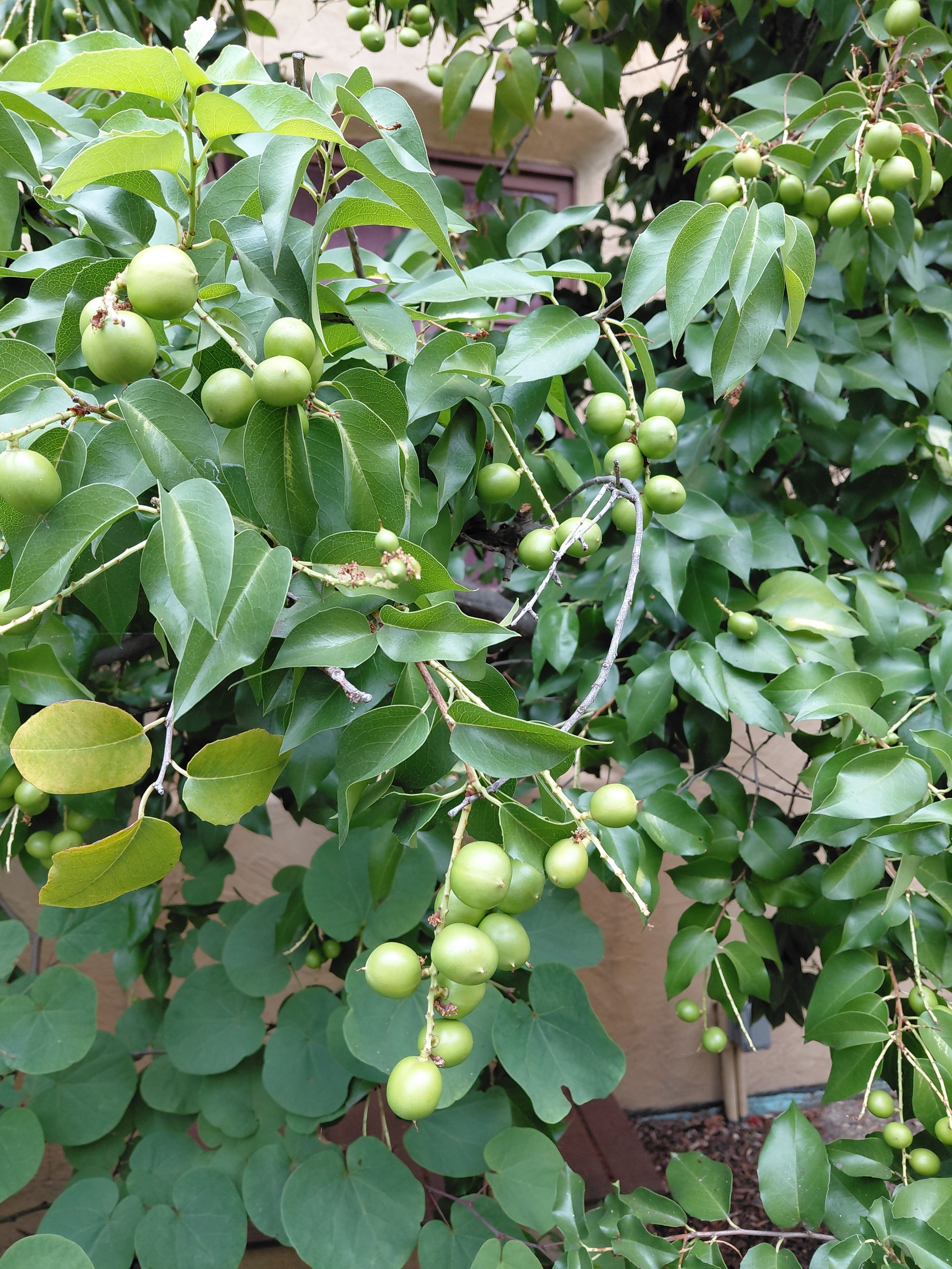
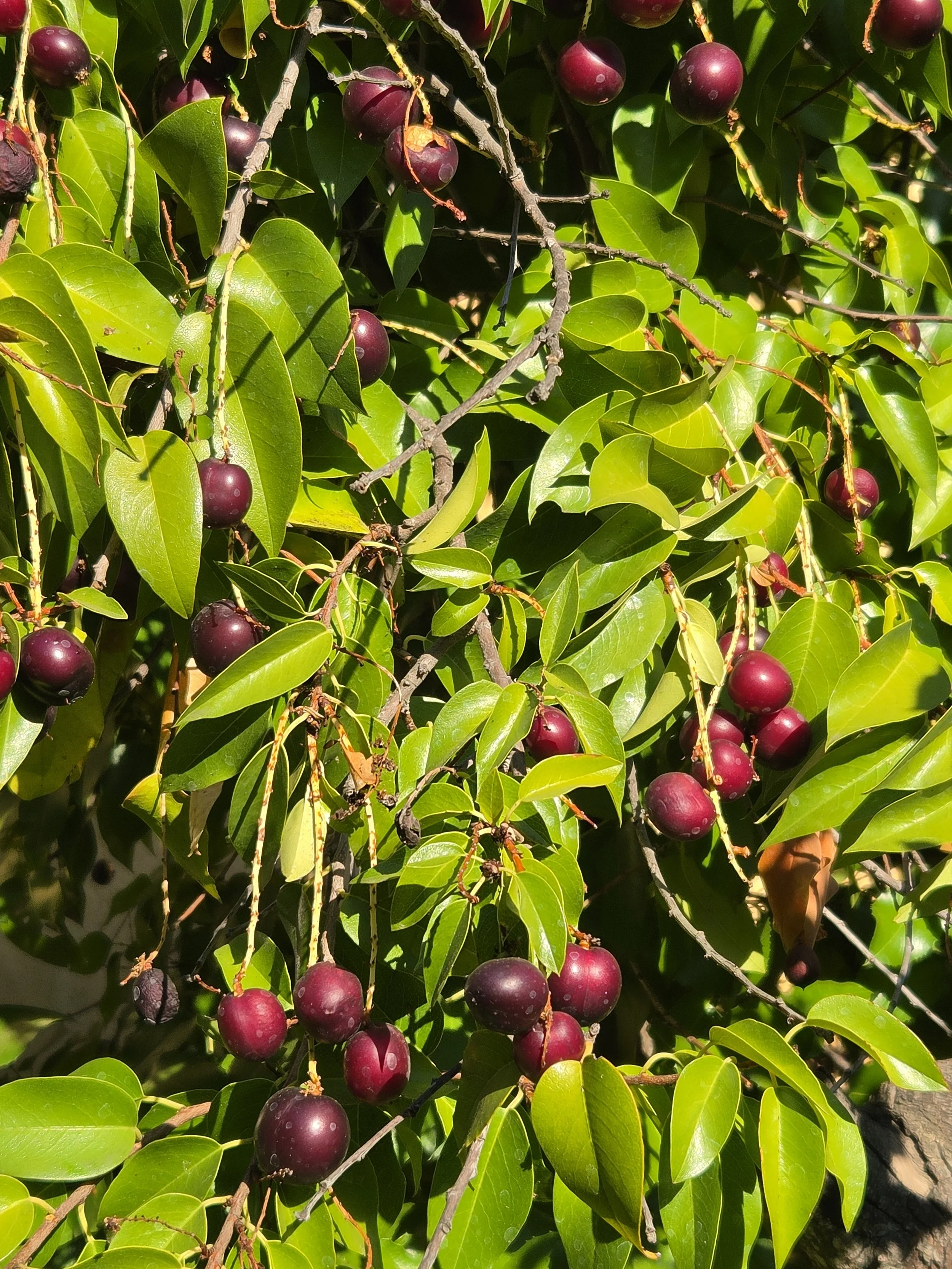
Cherry, Catalina
“akhtatapɨsh”
Prunus ilicifolia subsp. lyonii
“Islay”
Rose family
Rosaceae
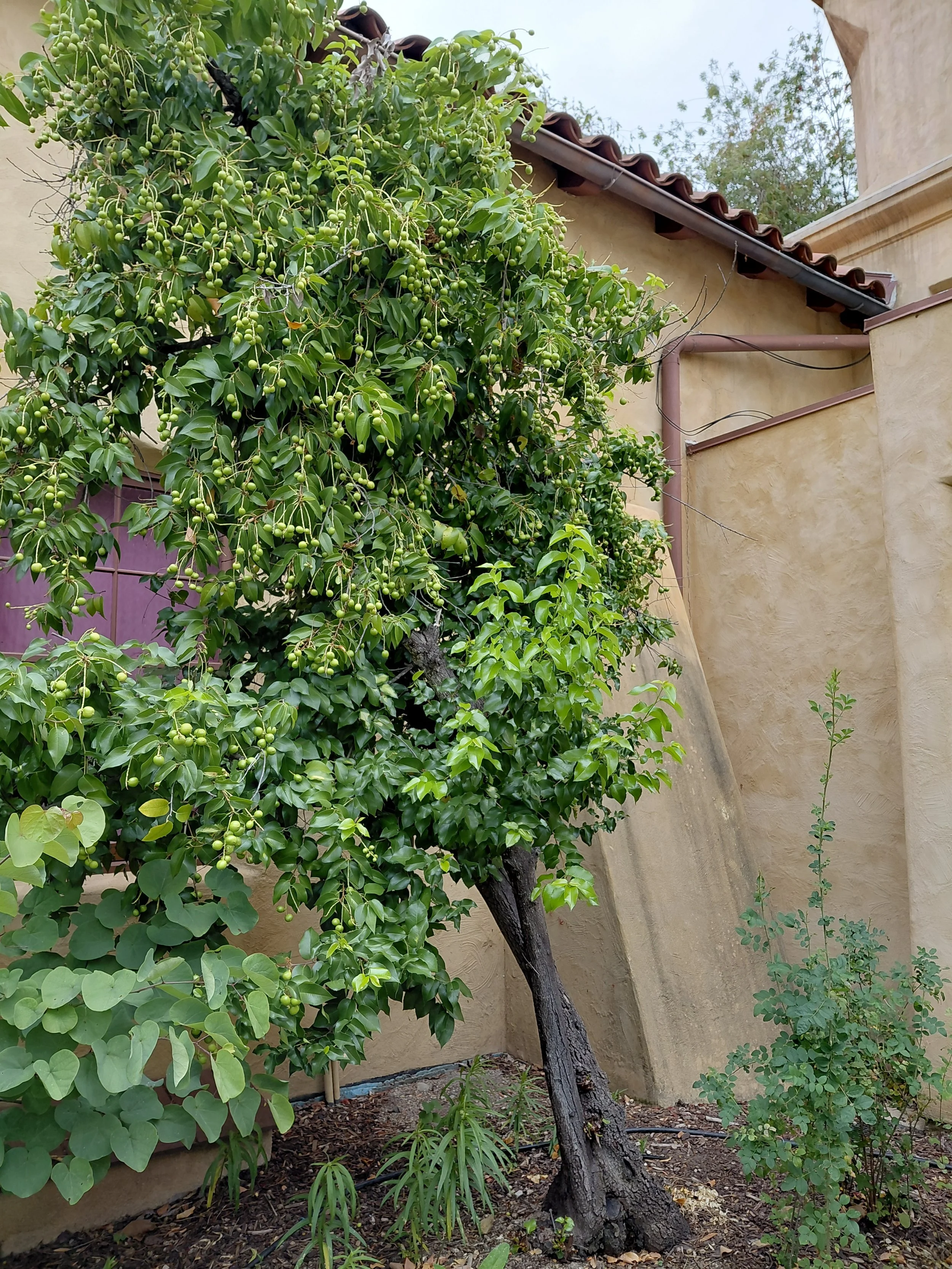
Fruits are eaten fresh or dried into fruit leather. The Chumash and other tribes eat the dried pits after shelling them, boiling them to leach out the cyanide, and then grinding them to make mush. A tea of the dried inner bark is taken to relieve coughing.
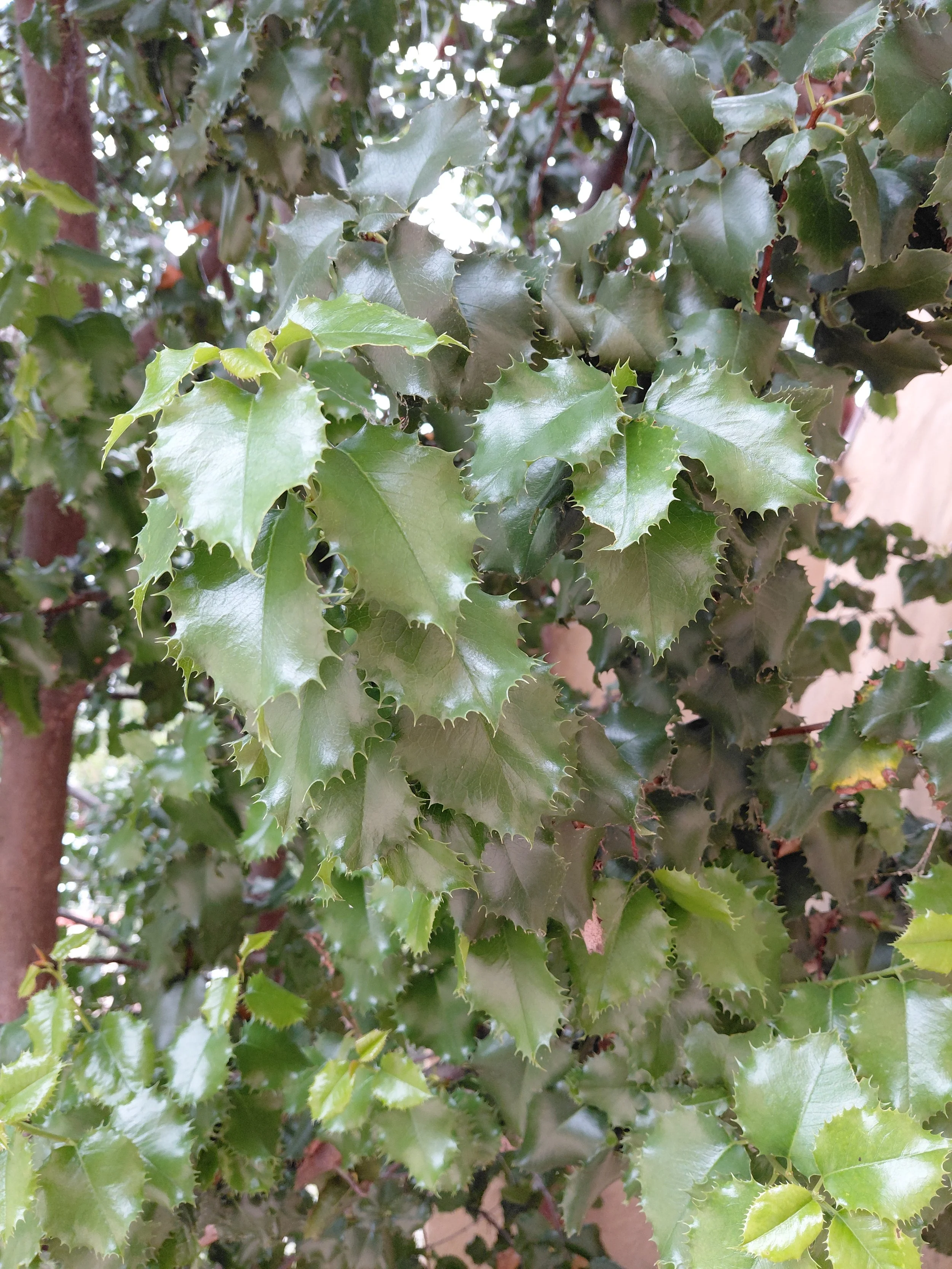
Cherry, Hollyleaf
“akhtatapɨsh”
Prunus ilicifolia subsp. ilicifolia
“Islay”
Rose family
Rosaceae
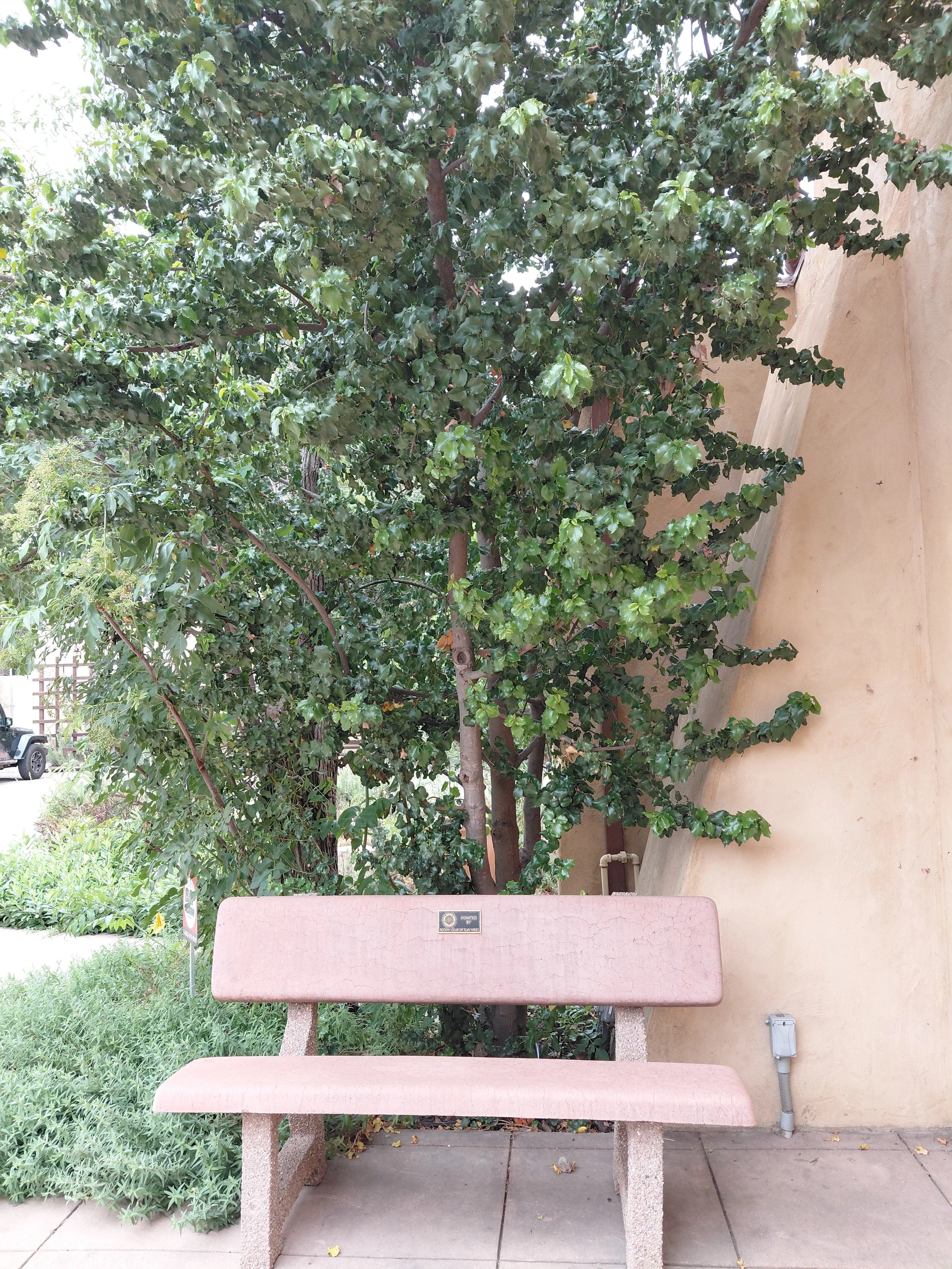
Fruits are eaten fresh or dried into fruit leather. The Chumash and other tribes eat the dried pits after shelling them, boiling them to leach out the cyanide, and then grinding them to make mush. A tea of the dried inner bark is taken to relieve coughing.
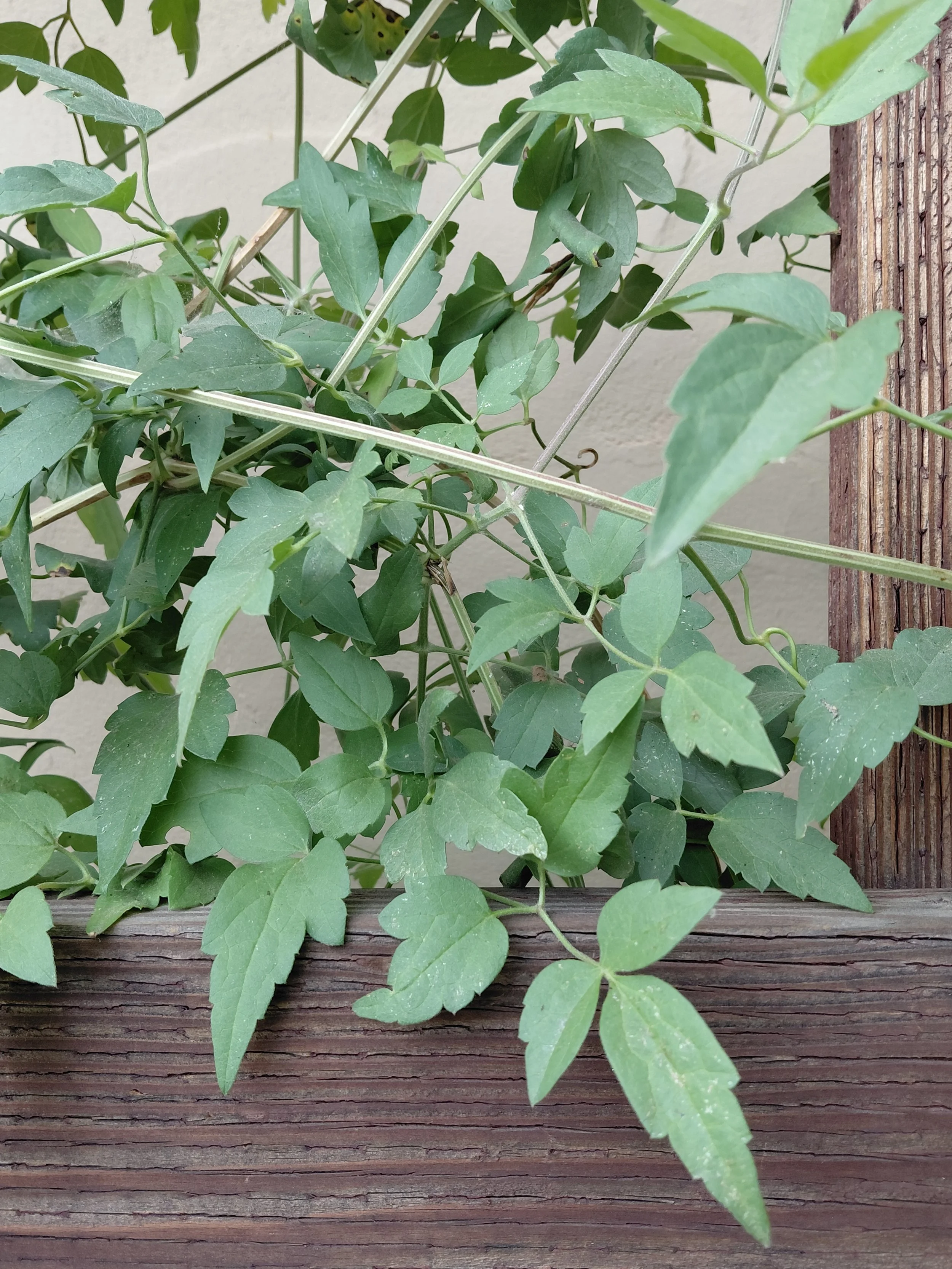
Clematis
“makhsik”
Clematis ligusticifolia
“Virgin’s Bower,” “Creek Clematis,” and “Coyote’s Rope”
Buttercup family
Ranunculaceae
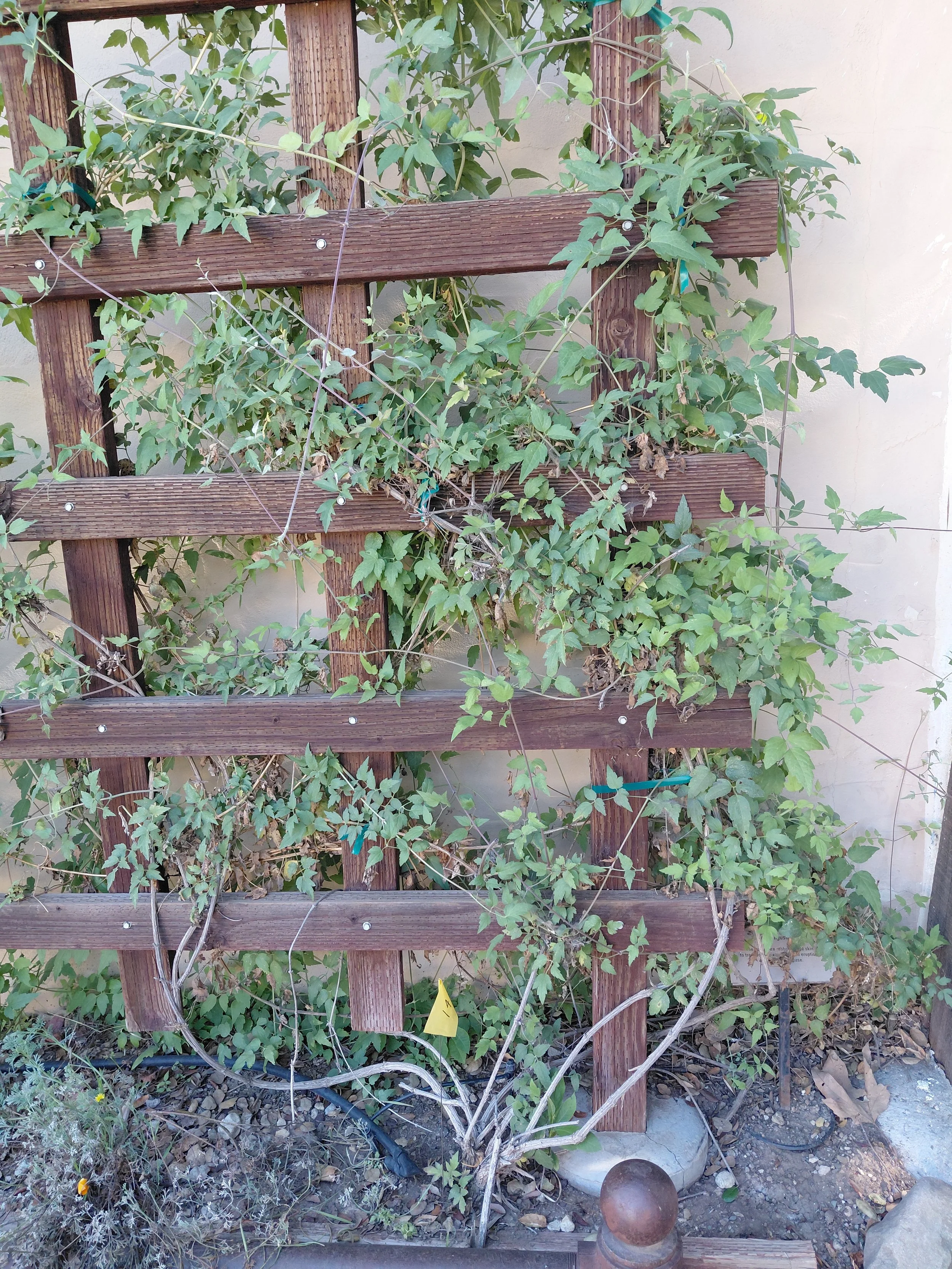
The leaves are rubbed on the skin to treat ringworm and skin eruptions.
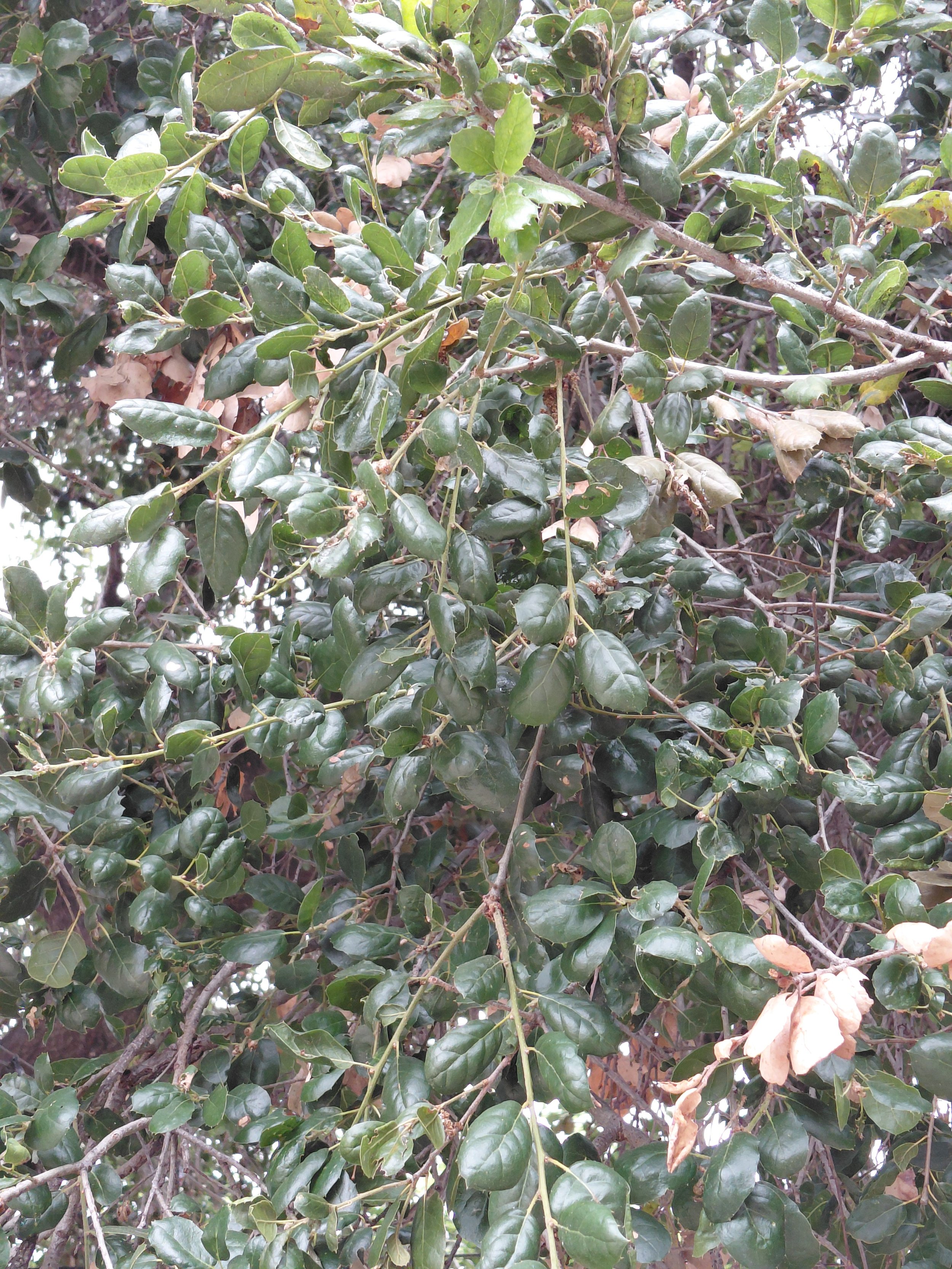
Coast Live Oak
“kuw”
Quercus agrifolia
Beech family
Fagaceae
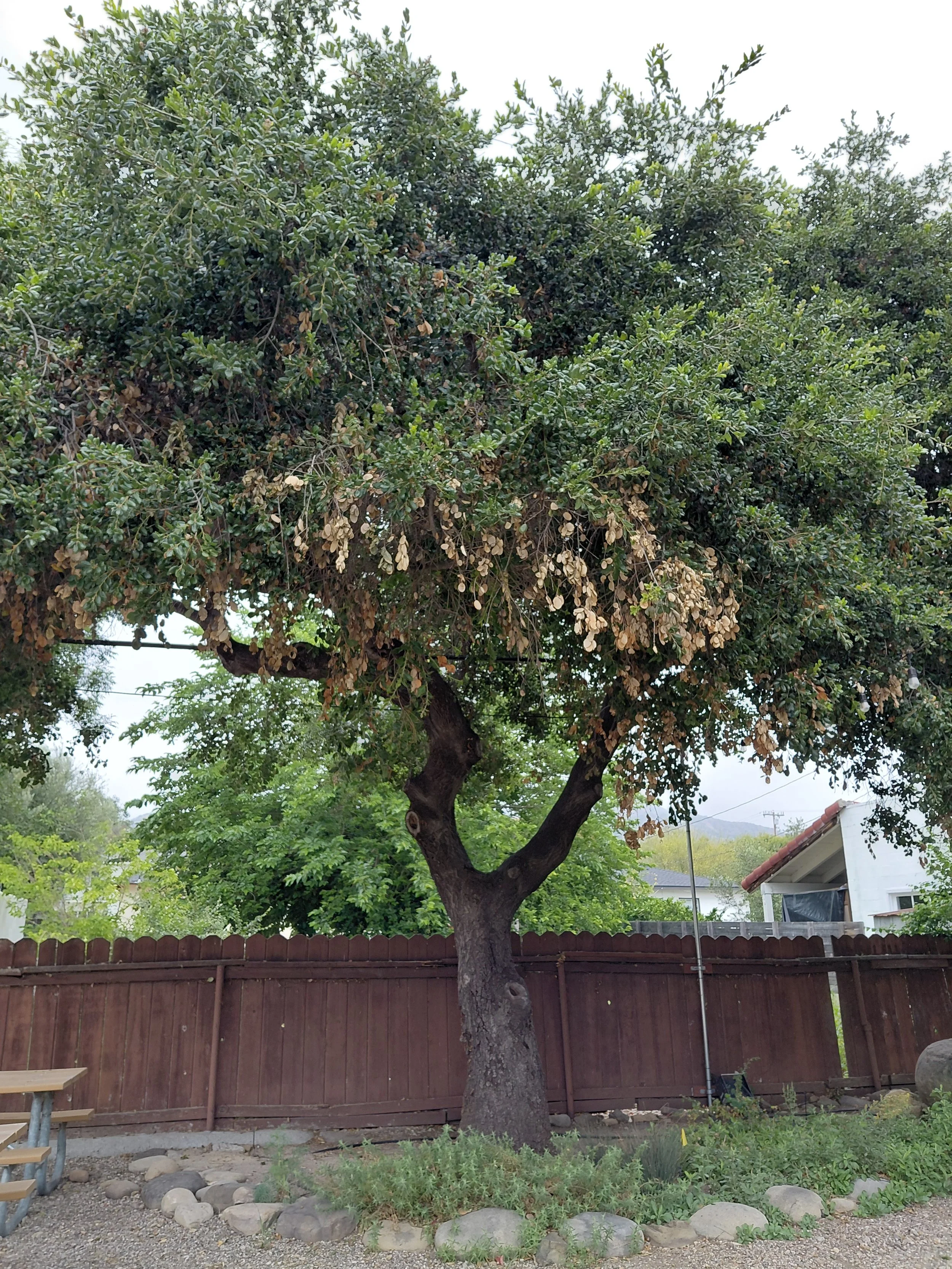
Live Oak acorns are ground, leached, and then cooked into a thick mush. This was one of the main foods of the early Chumash. The astringent bark has medicinal uses and is also made into a dye. The wood is used to make bowls, stirring paddles, and cradle boards.
Part I: Acorns, Stone Bowls, and Native Traditions
Part II: Acorns, Stone Bowls, and Native Traditions
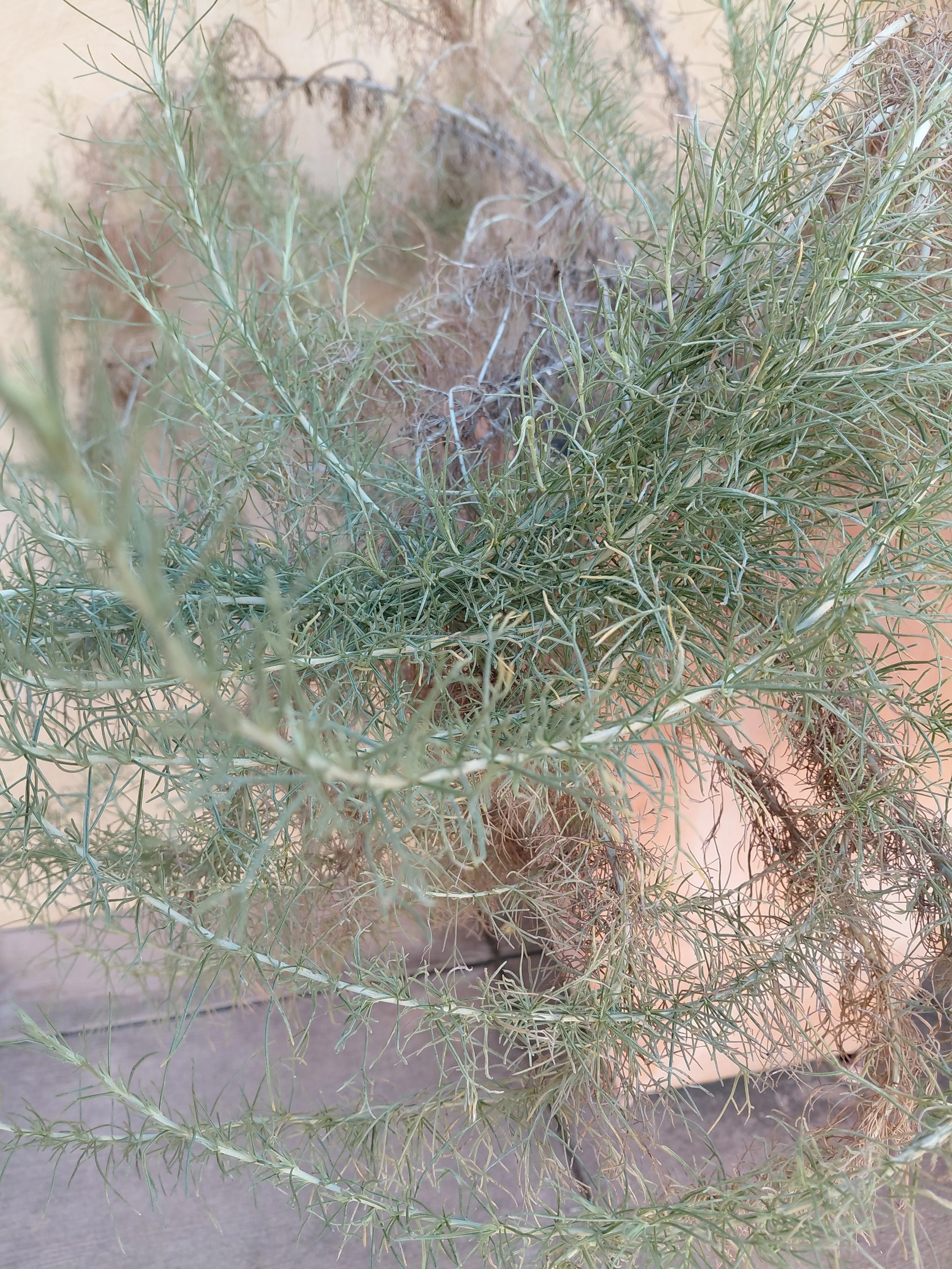
Coastal Sagebush
“wewe'y”
Artemisia californica
“California Sagebrush” and “Romerillo”
Sunflower family
Asteraceae
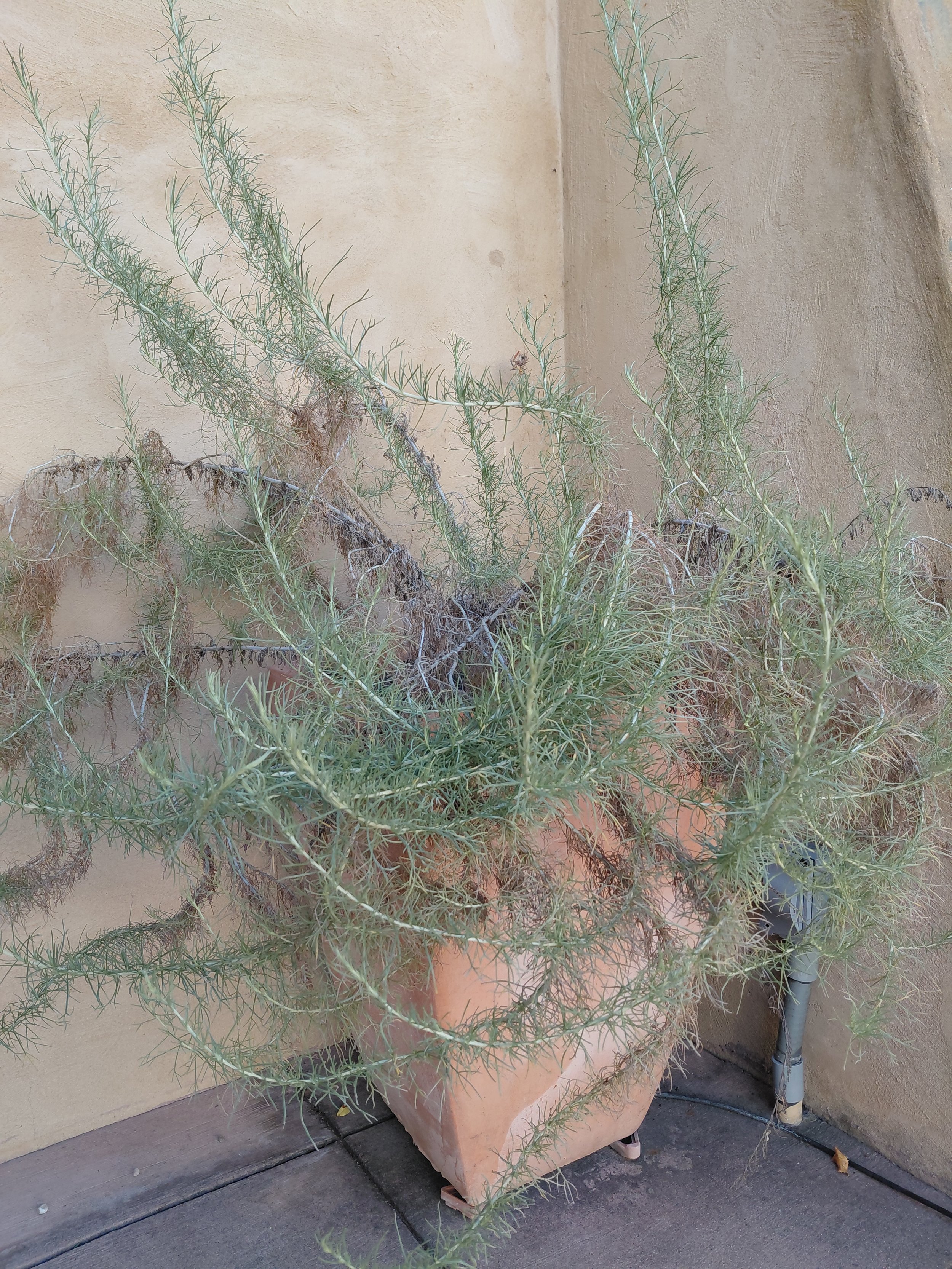
Sagebrush is widely used by Indigenous tribes as a cleansing and purifying tea. The Chumash use leafy branches for blessings at the winter solstice and to make an ointment or liniment for pain. They apply the powdered brown lower leaves for diaper rash.
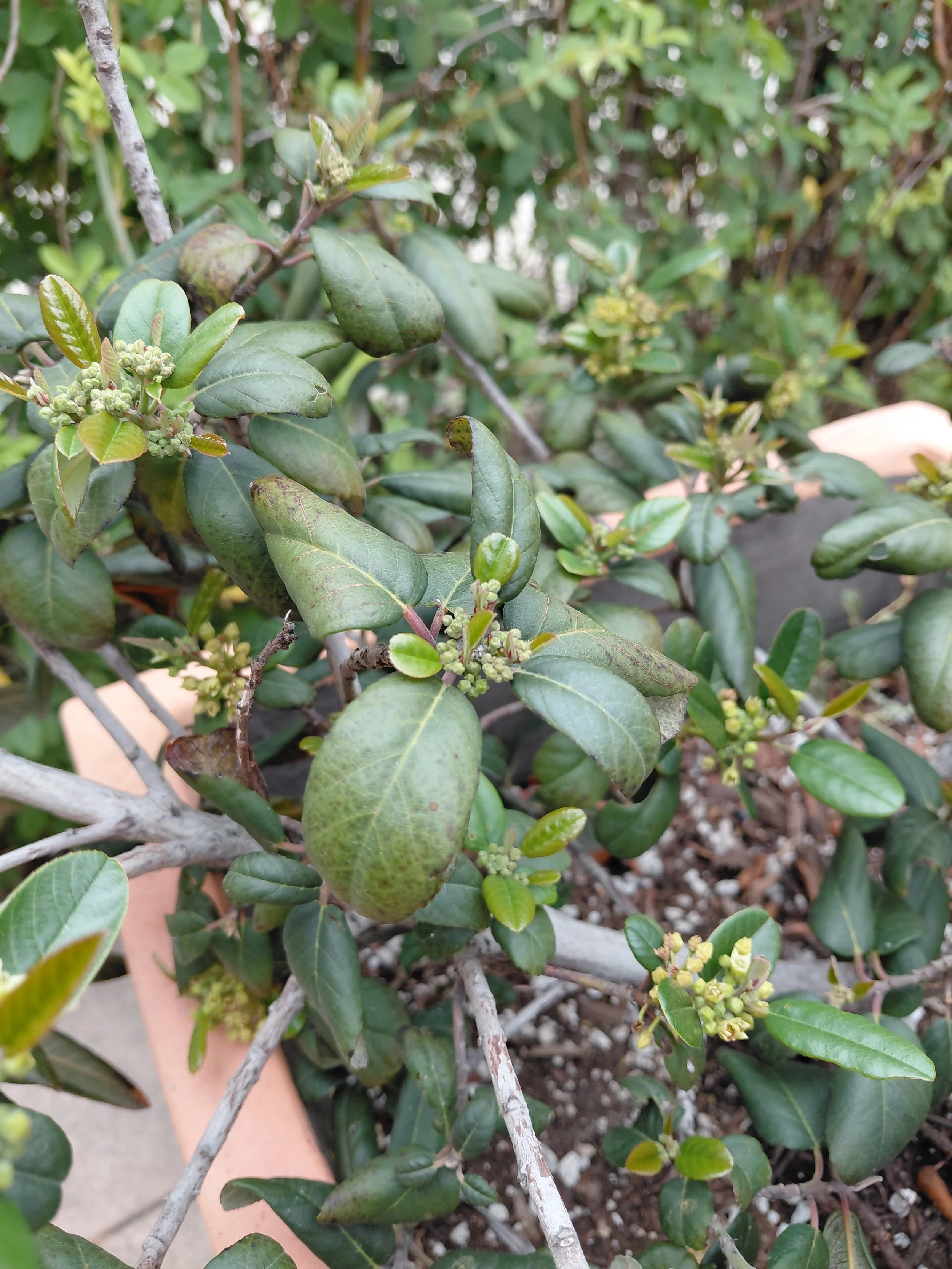
Coffeeberry
“chatɨshwɨ 'ikhus”
Frangula californica subsp. tomentella
Buckthorn family
Rhamnaceae
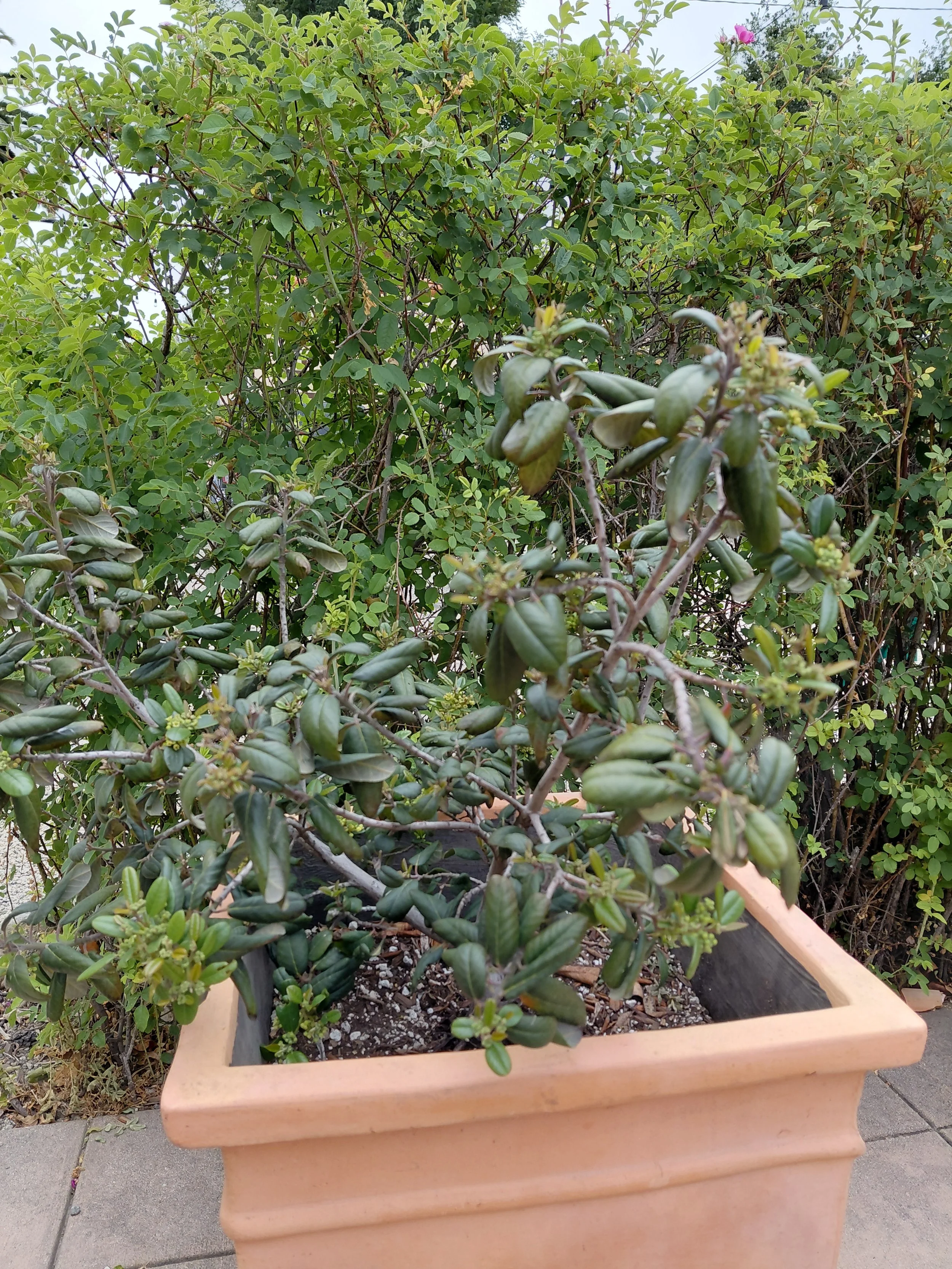
The Chumash use Coffeeberry as bear medicine, spirit helper, and dream helper. They boil the bark for a laxative tea and bathe in a tea of the leaves for poison oak rash. Other tribes eat small amounts of berries for food or larger amounts as a laxative.
Deer Grass
No known Chumash name
Muhlenbergia rigens
Grass family
Poaceae
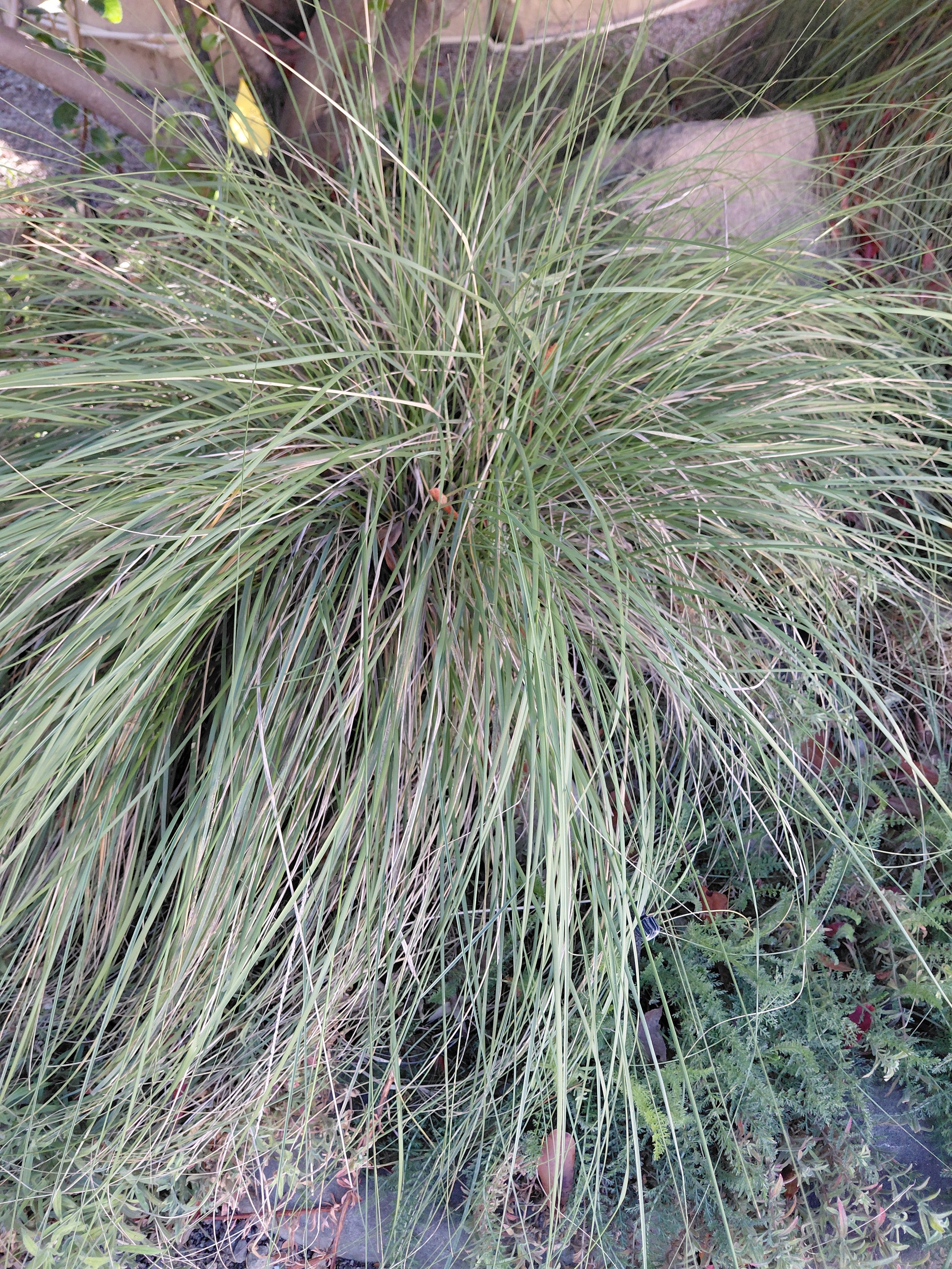
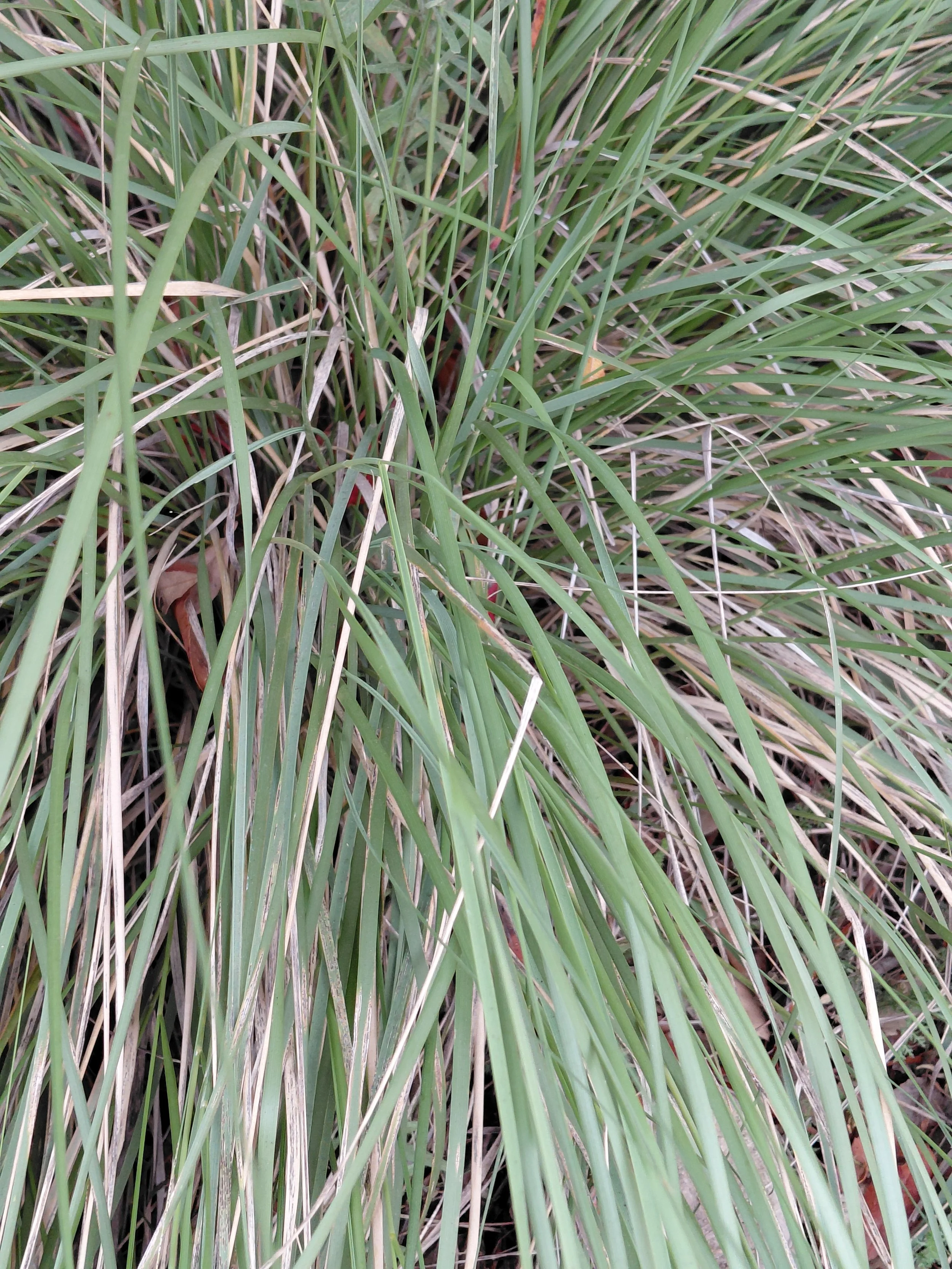
Stems of the flowering stalks are used for making coiled baskets. The rest of the plant is burned after removal of stems and the ash used for fertilizer.
Dogbane
“tok”
Apocynum cannabinum var. glaberrimum
“Indian Hemp”
Dogbane family
Apocynaceae
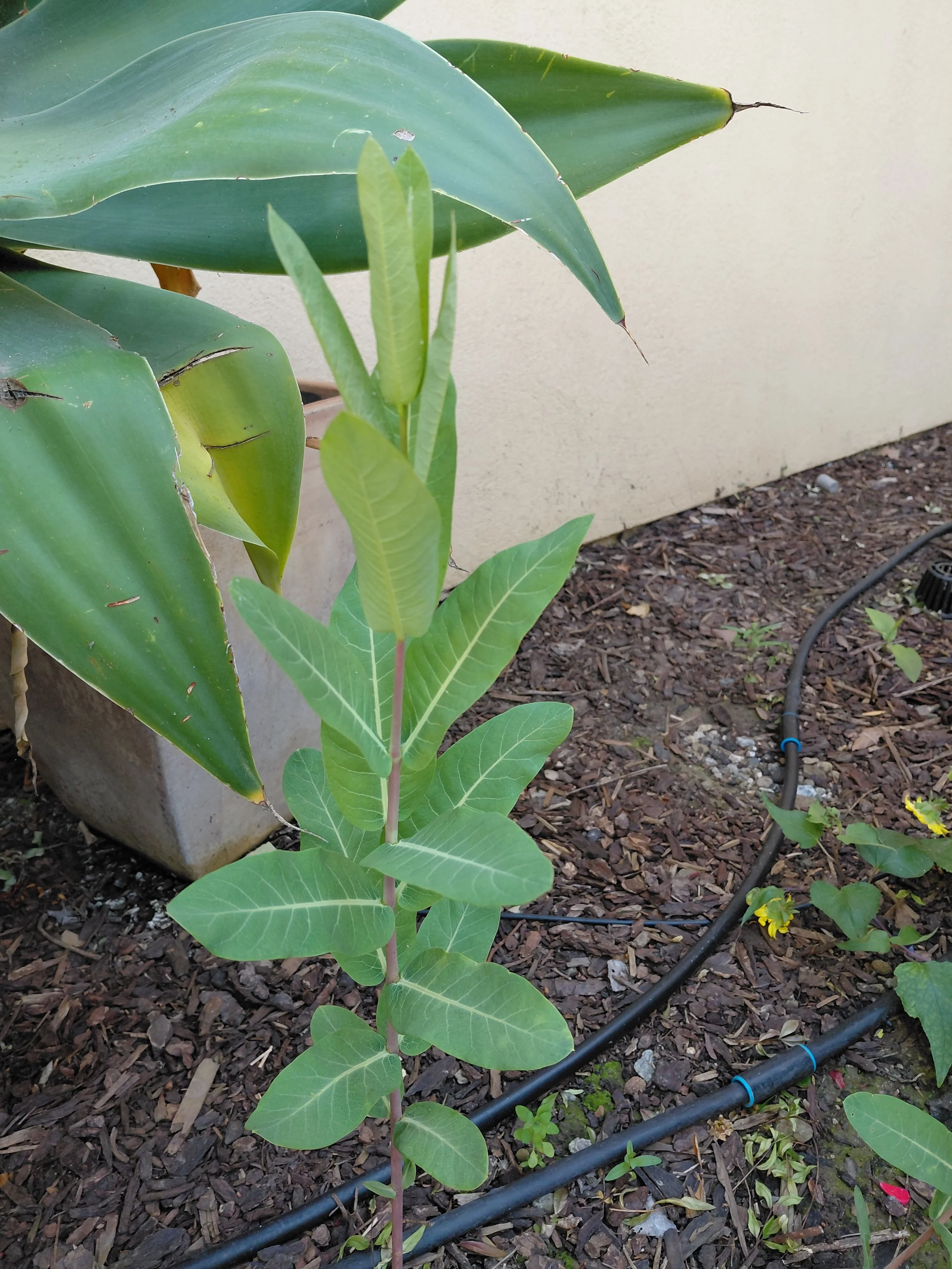
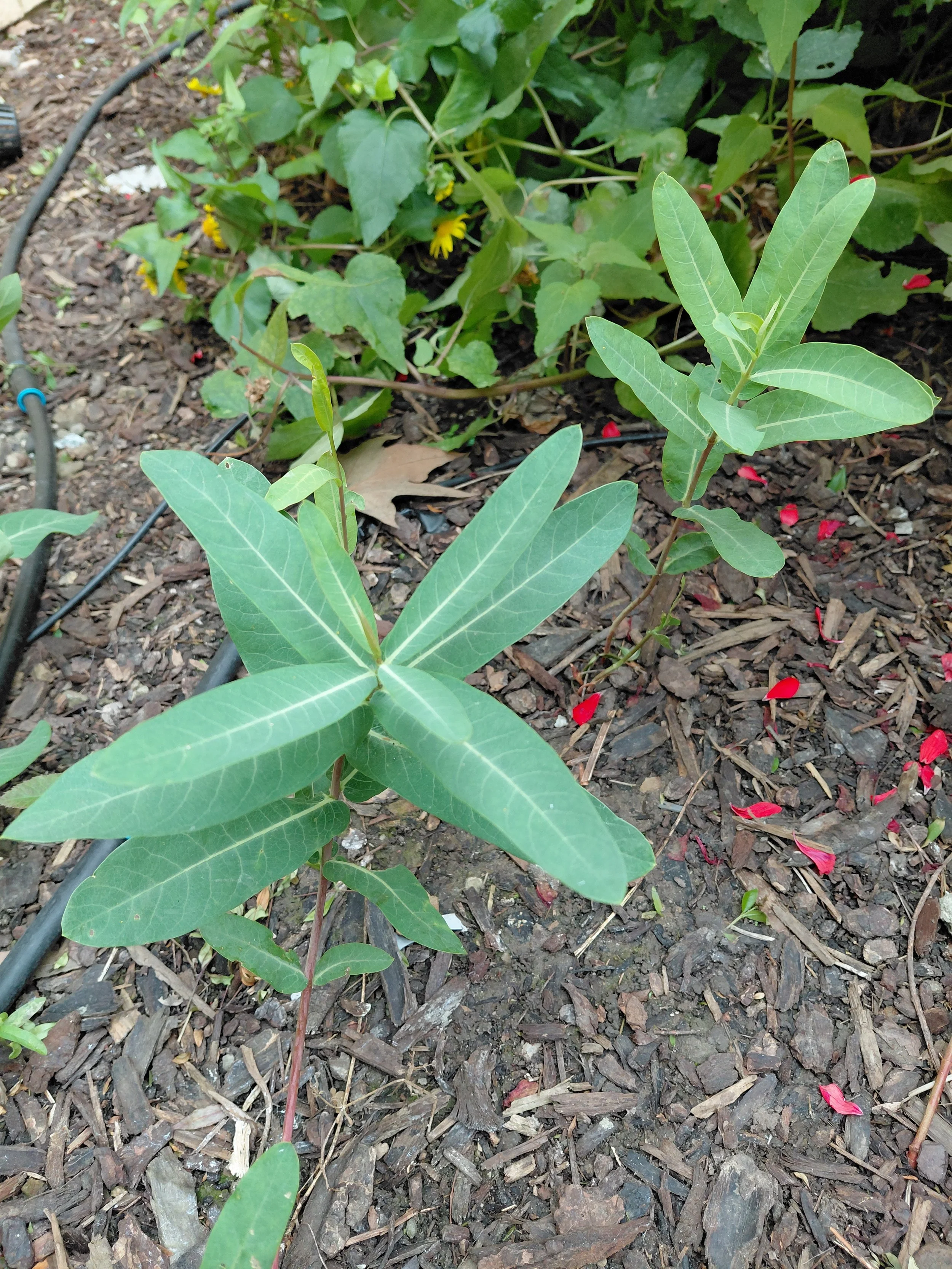
Fiber from dogbane stalks is widely used for thread, cord, fishing line, bowstrings, nets, bags, headdresses, skirts, and more.
Elderberry
“qayas”
Sambucus mexicana
Blue Elderberry
Muskroot family
Viburnaceae
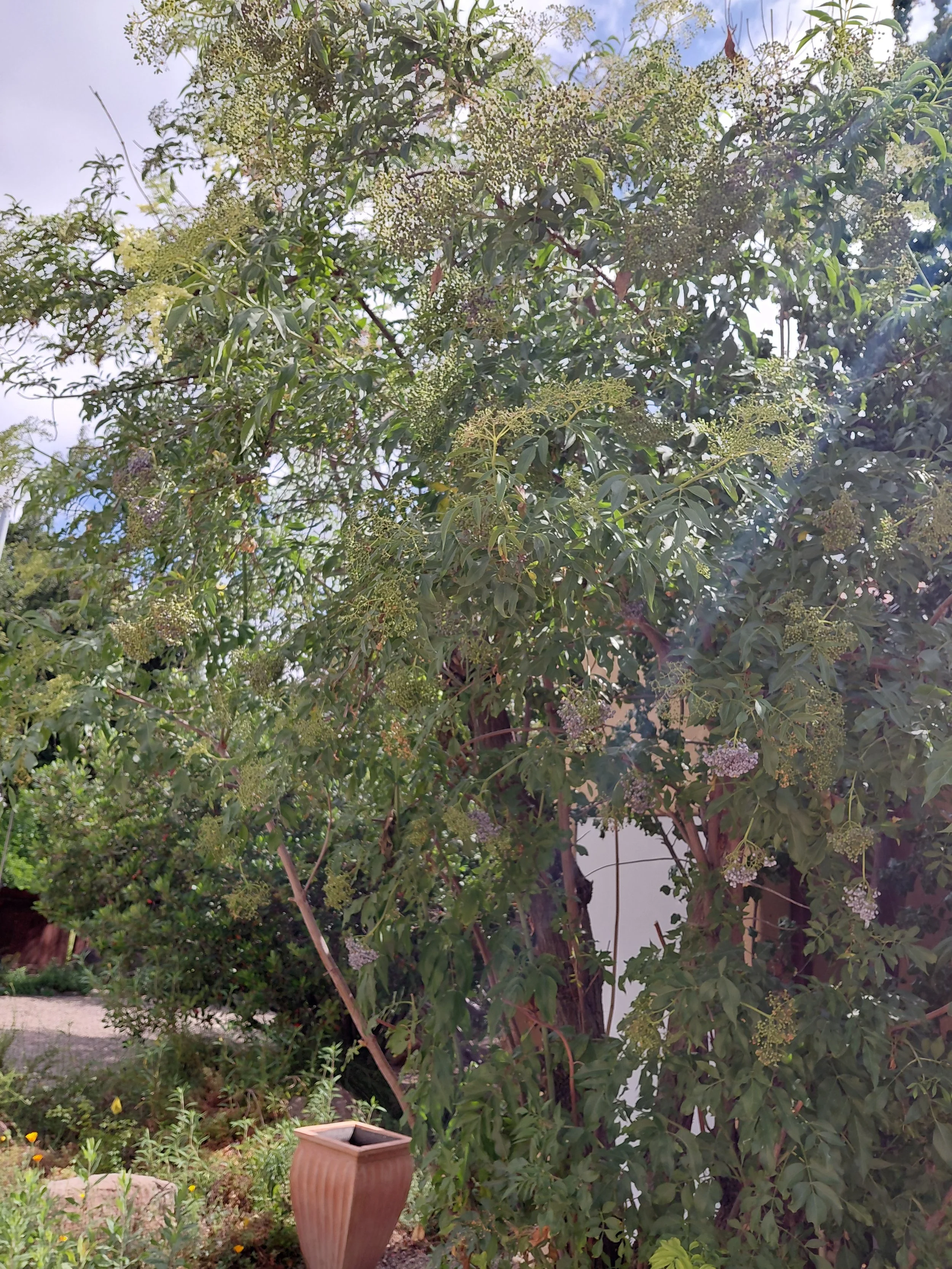
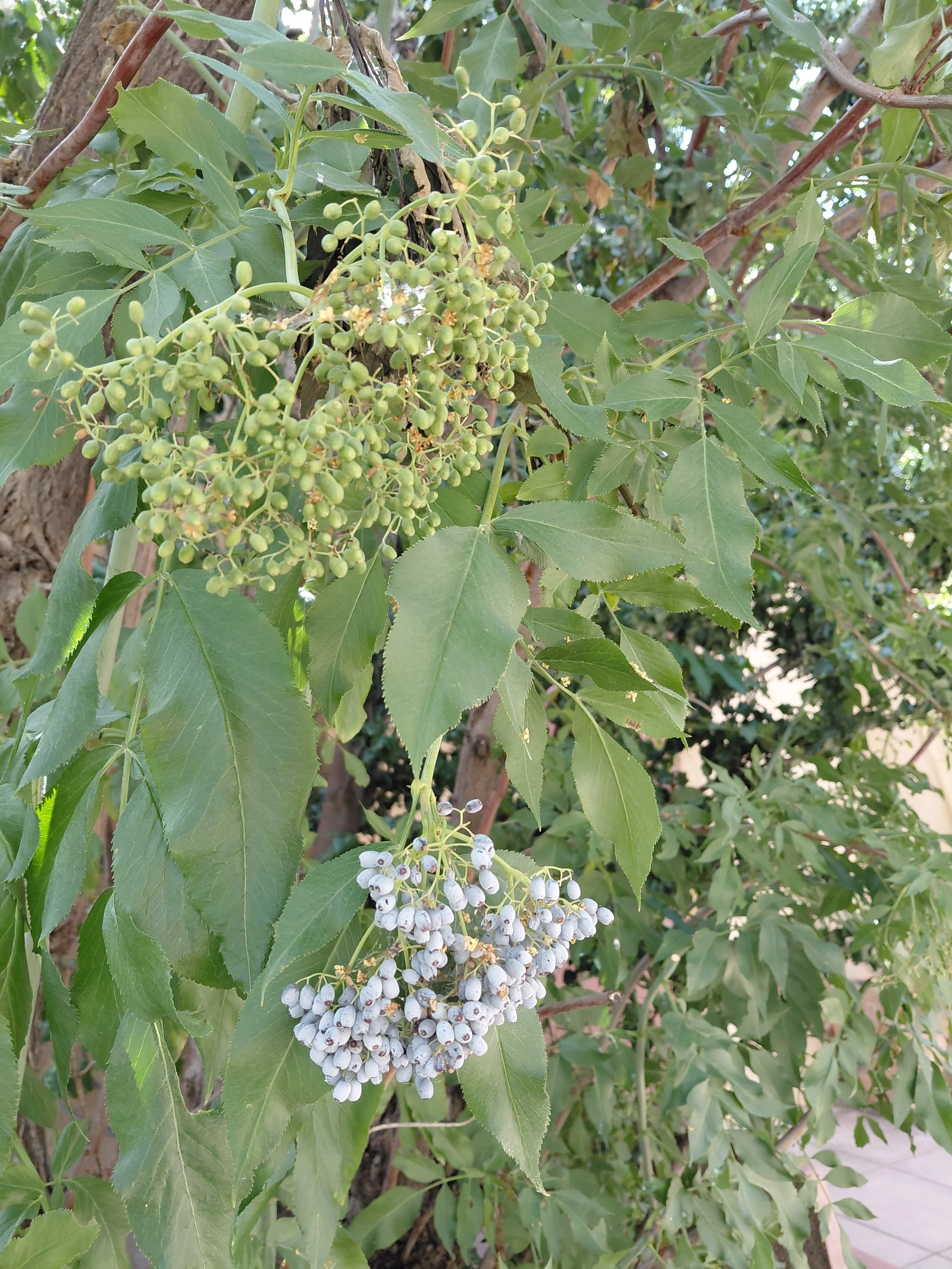
The Chumash use the hollowed stems of the elderberry tree for flutes, whistles, clapper sticks, dance wands, fire-making drills, and holders for ceremonial feathers. The flowers are made into a tea for colds and the dried berries eaten as food and cold medicine.
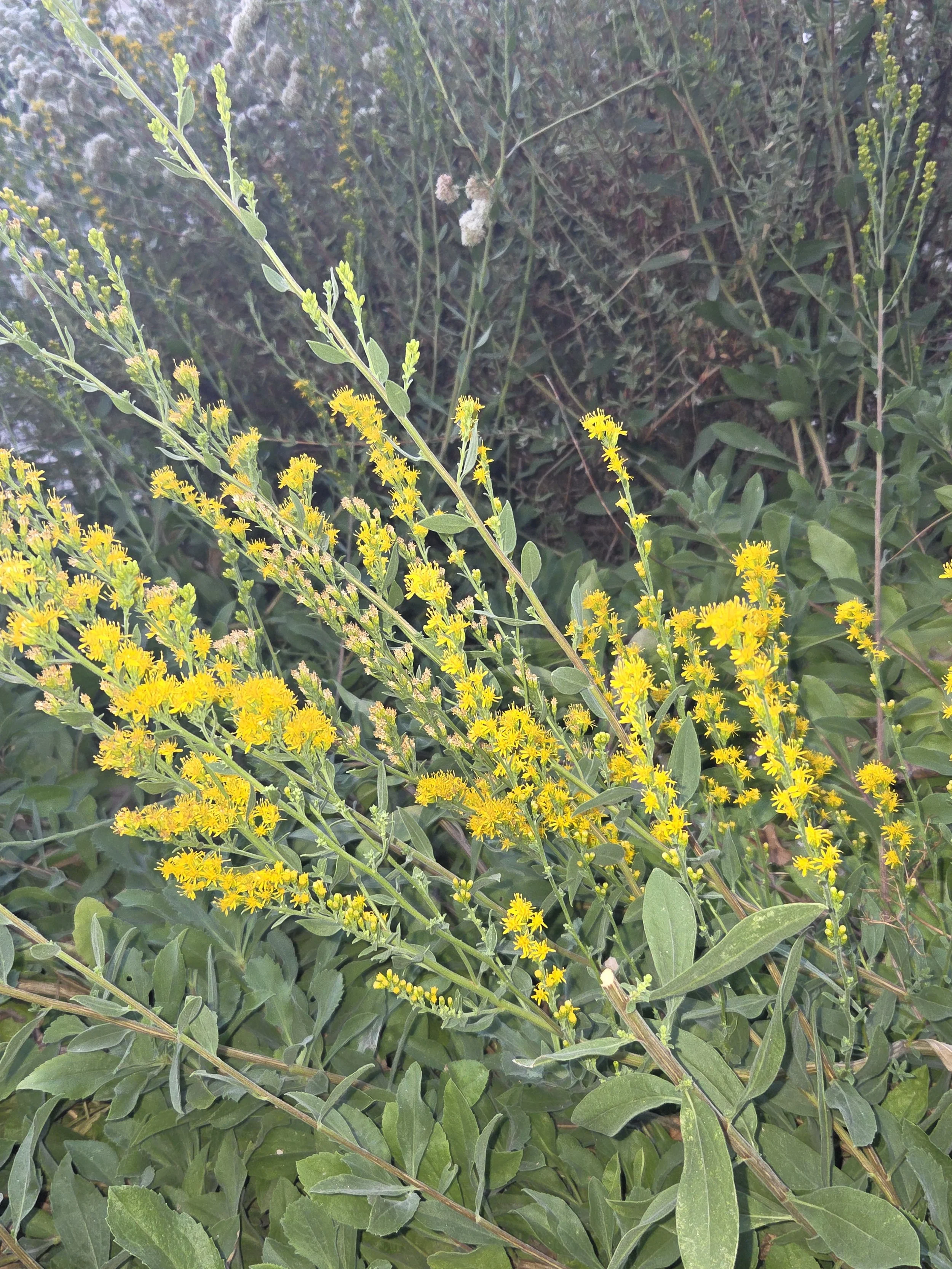
Goldenrod
“chtu 'ima”
Solidago californica
California Goldenrod
Sunflower family
Asteraceae
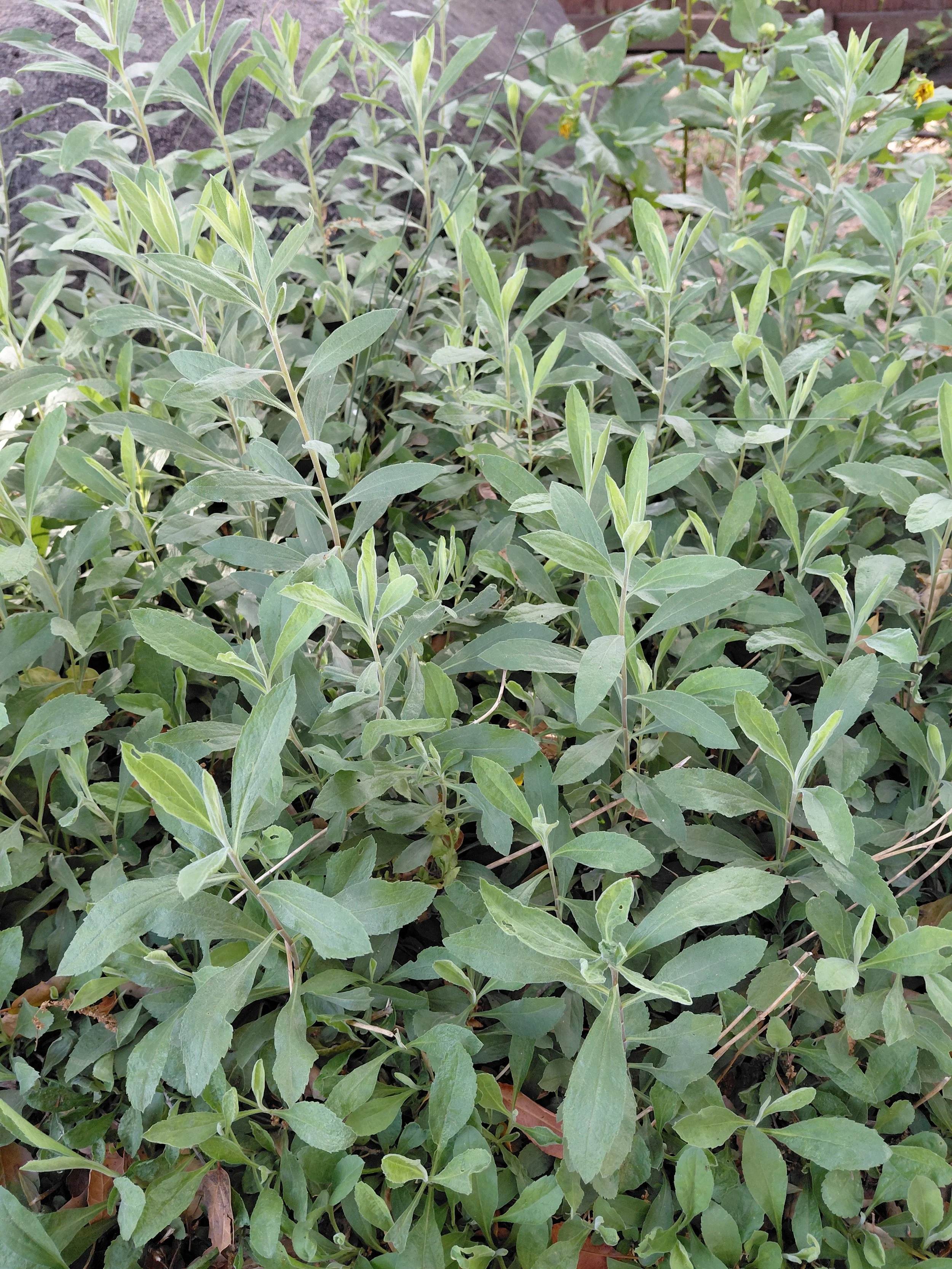
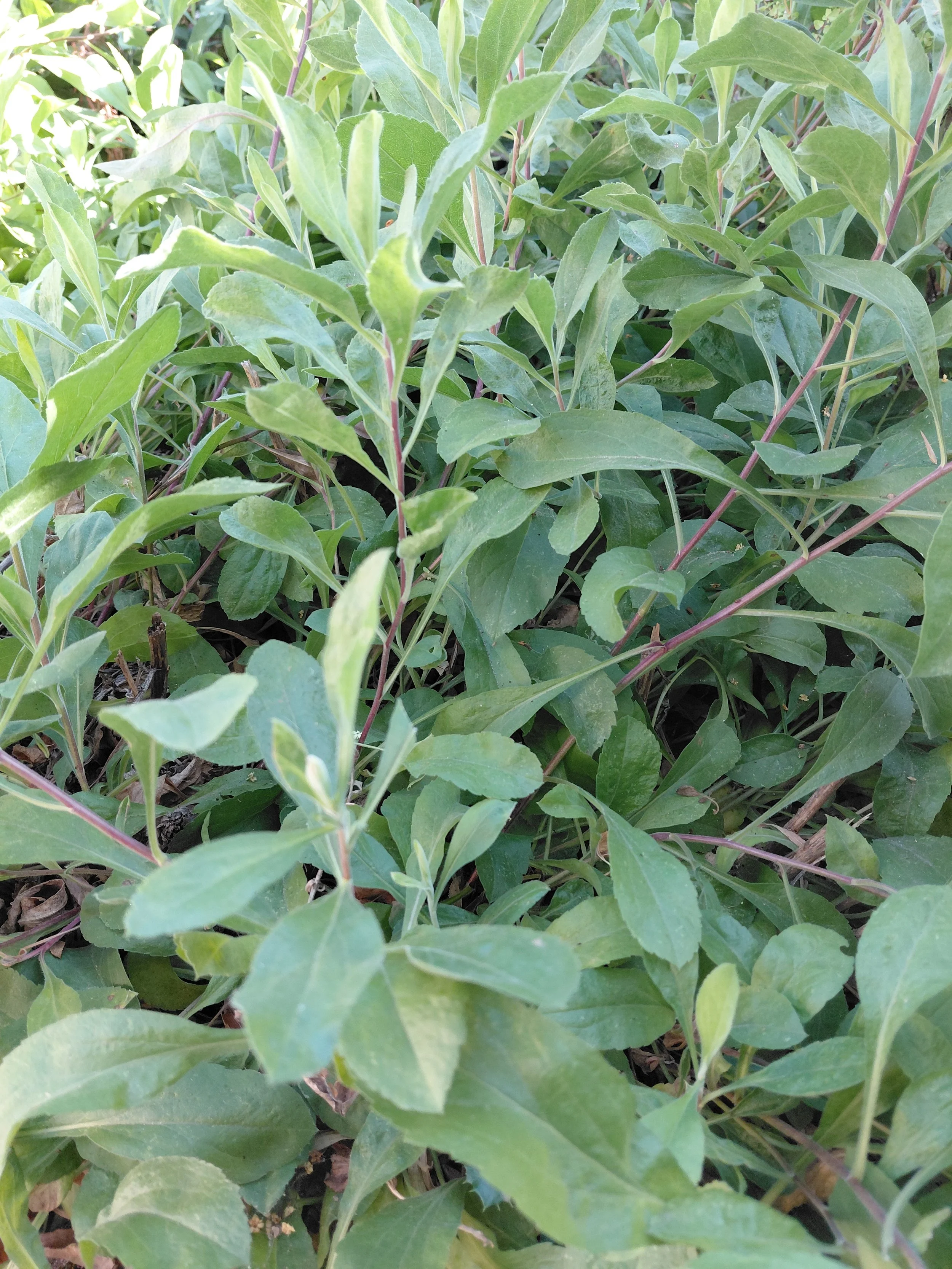
The Chumash drink a tea of upper leaves and flowers for coughs and colds, as a general tonic, and apply it as a wash to sores or wounds.
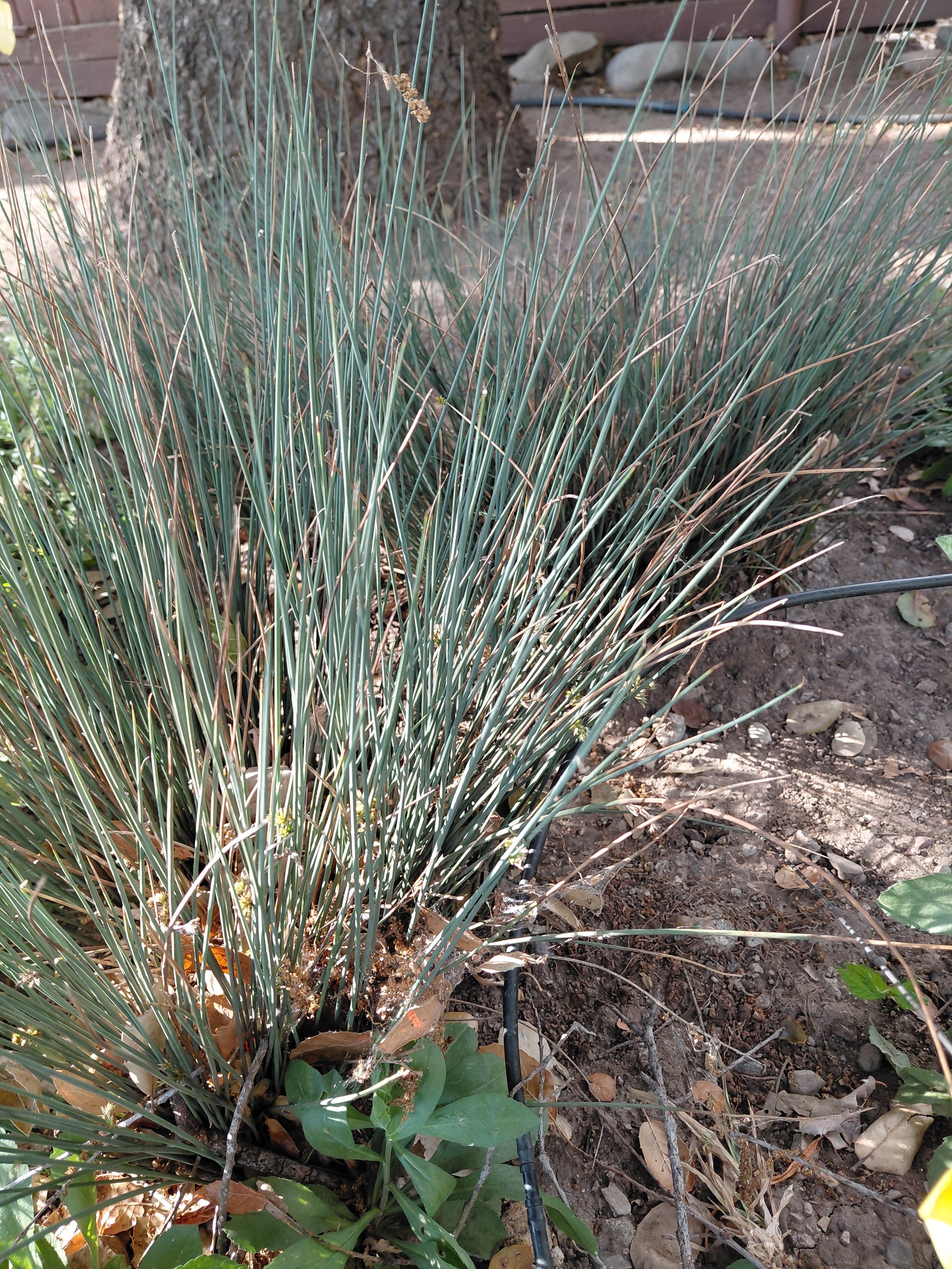
Juncus
“tash”
Juncus balticus
“Baltic Rush”
Rush family
Juncaceae
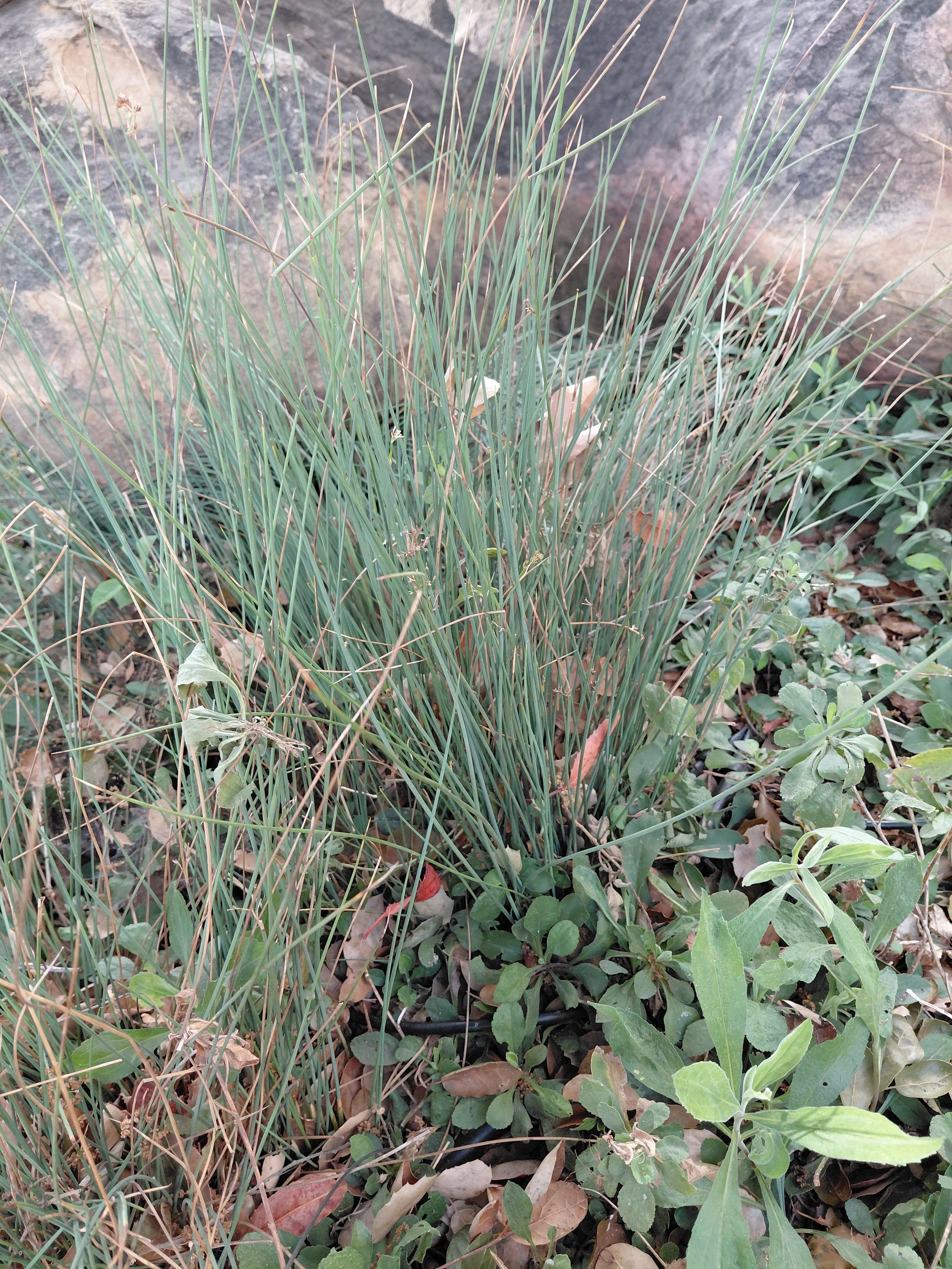
The stems are woven into cooking baskets, water bottles, winnowing trays, and basket hats for women.
Laurel Sumac
“walqaqsh”
Malosma laurina
Sumac family
Anacardiaceae
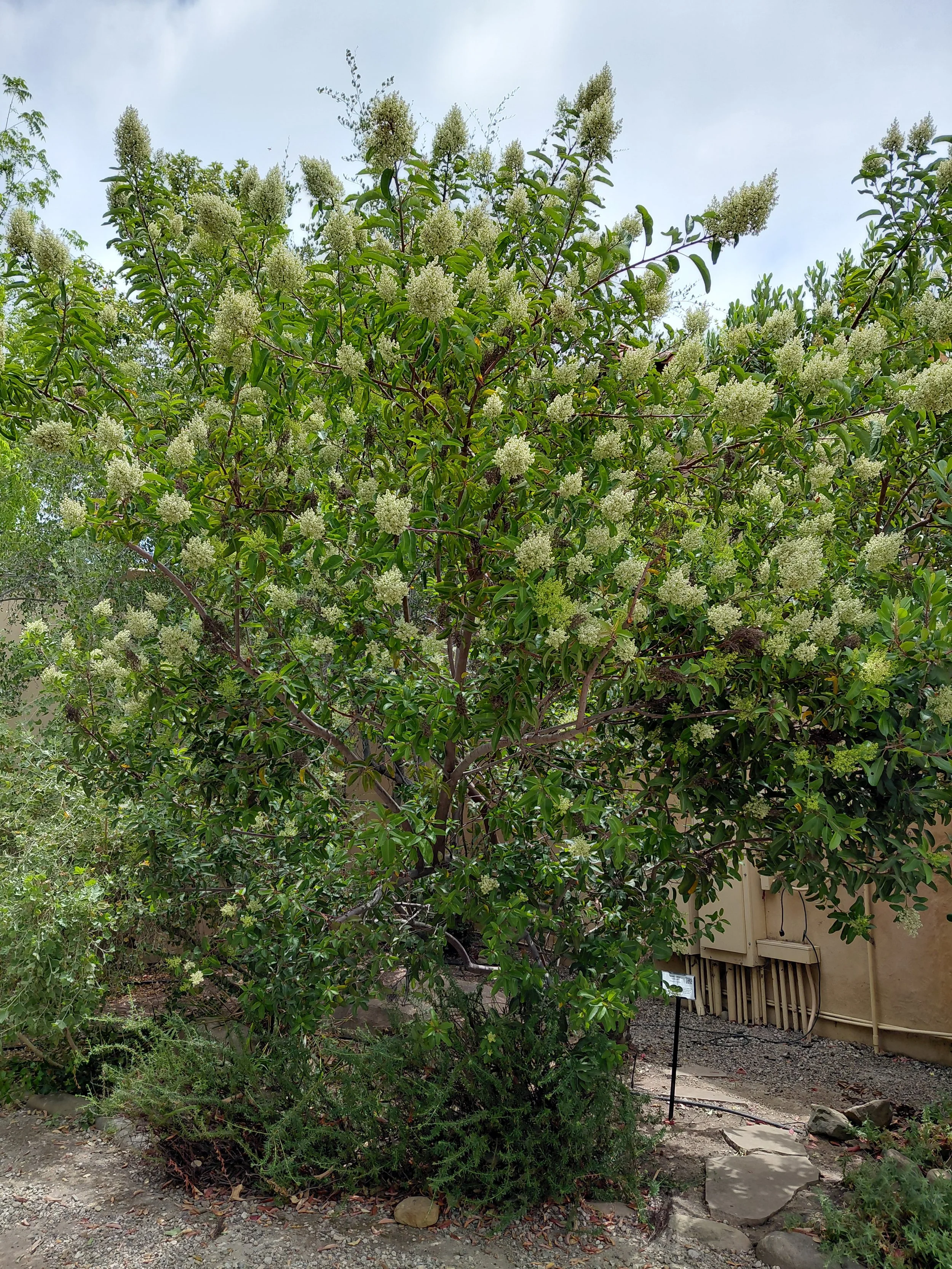
Some tribes use a tea of young leaves to help with childbirth. Fruit growers watch Laurel Sumac for signs of frost damage to learn where it is safe to plant cold-sensitive orange and avocado trees.
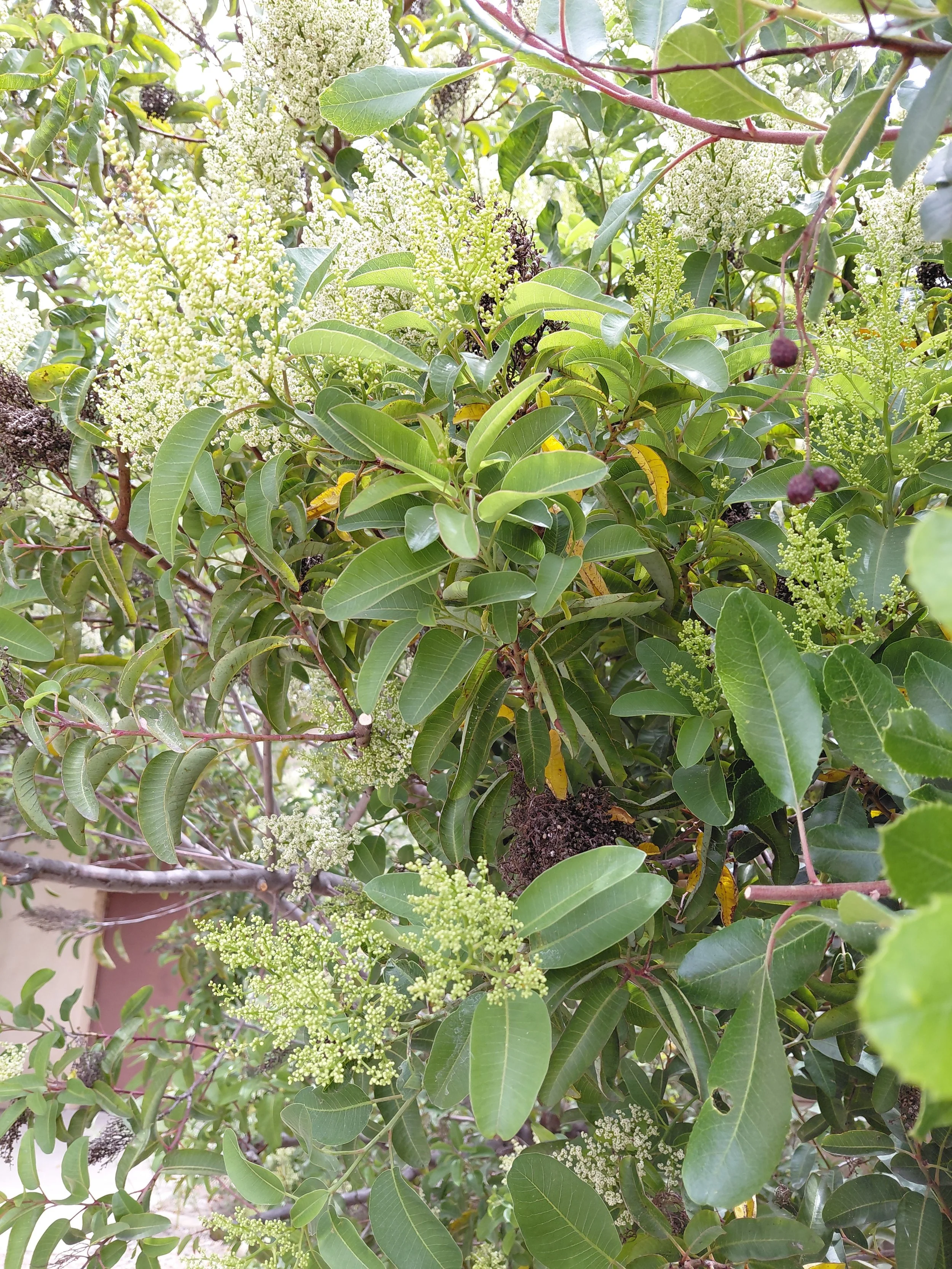
Lemonade Berry
“shtoyho'os”
Rhus integrifolia
Sumac family
Anacardiaceae
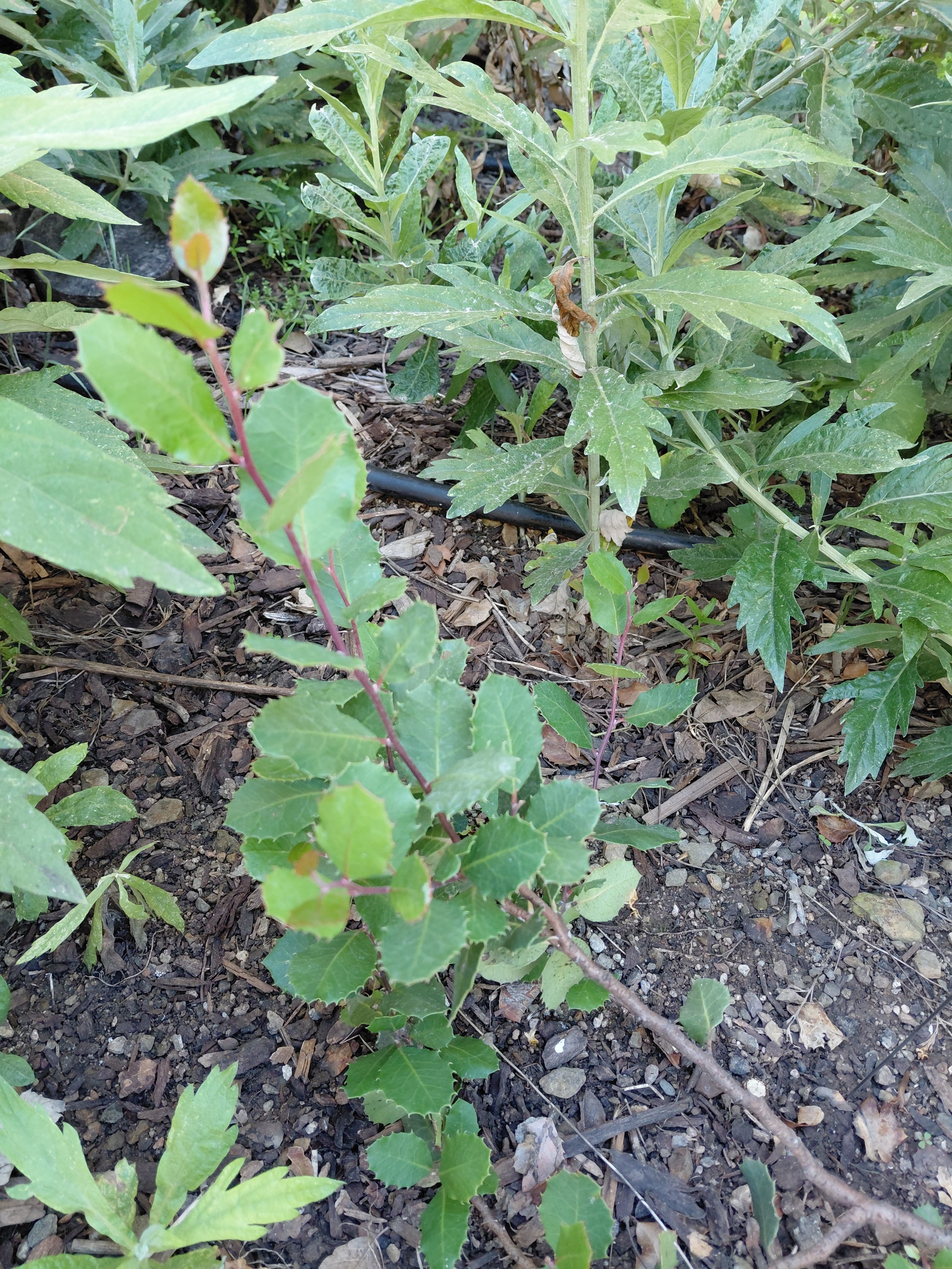
The tart, sticky berries are eaten fresh or used to make a warm lemon-flavored beverage.
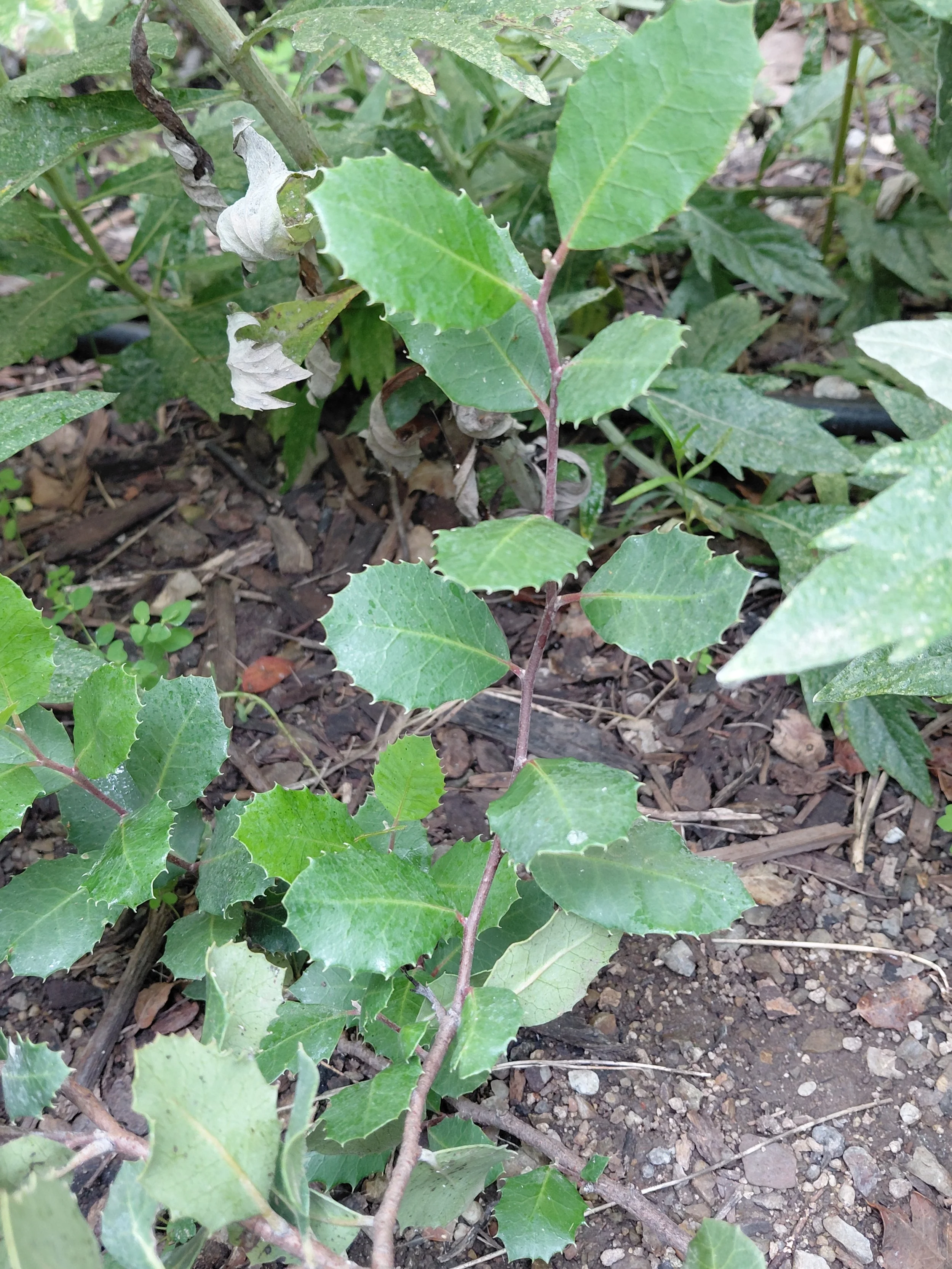
Mountain-Mahogany
“pɨch”
Cercocarpus betuloides
Rose family
Rosaceae
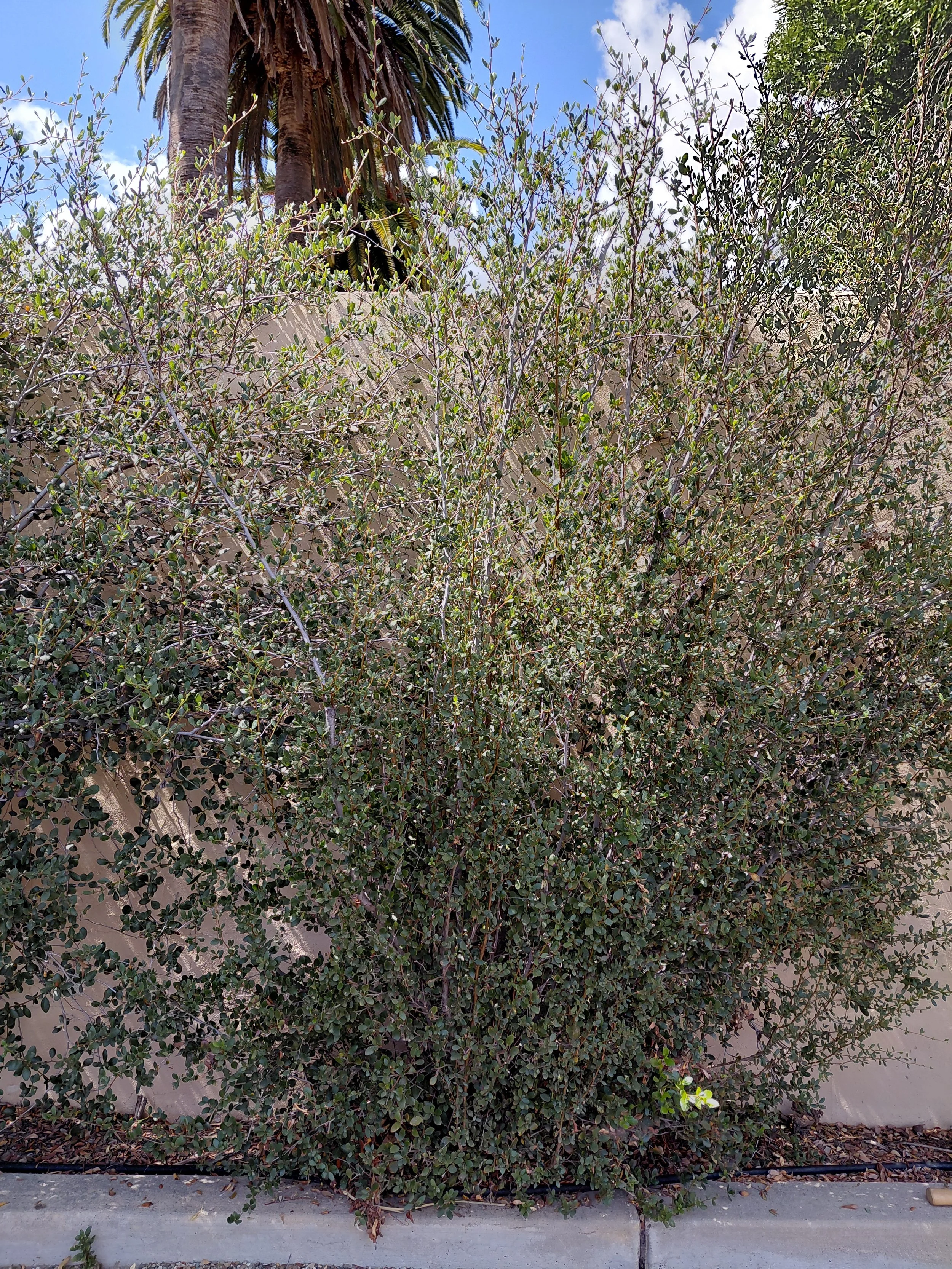
Digging sticks are made from the hard wood to help the Chumash remove edible bulbs and roots from the ground.
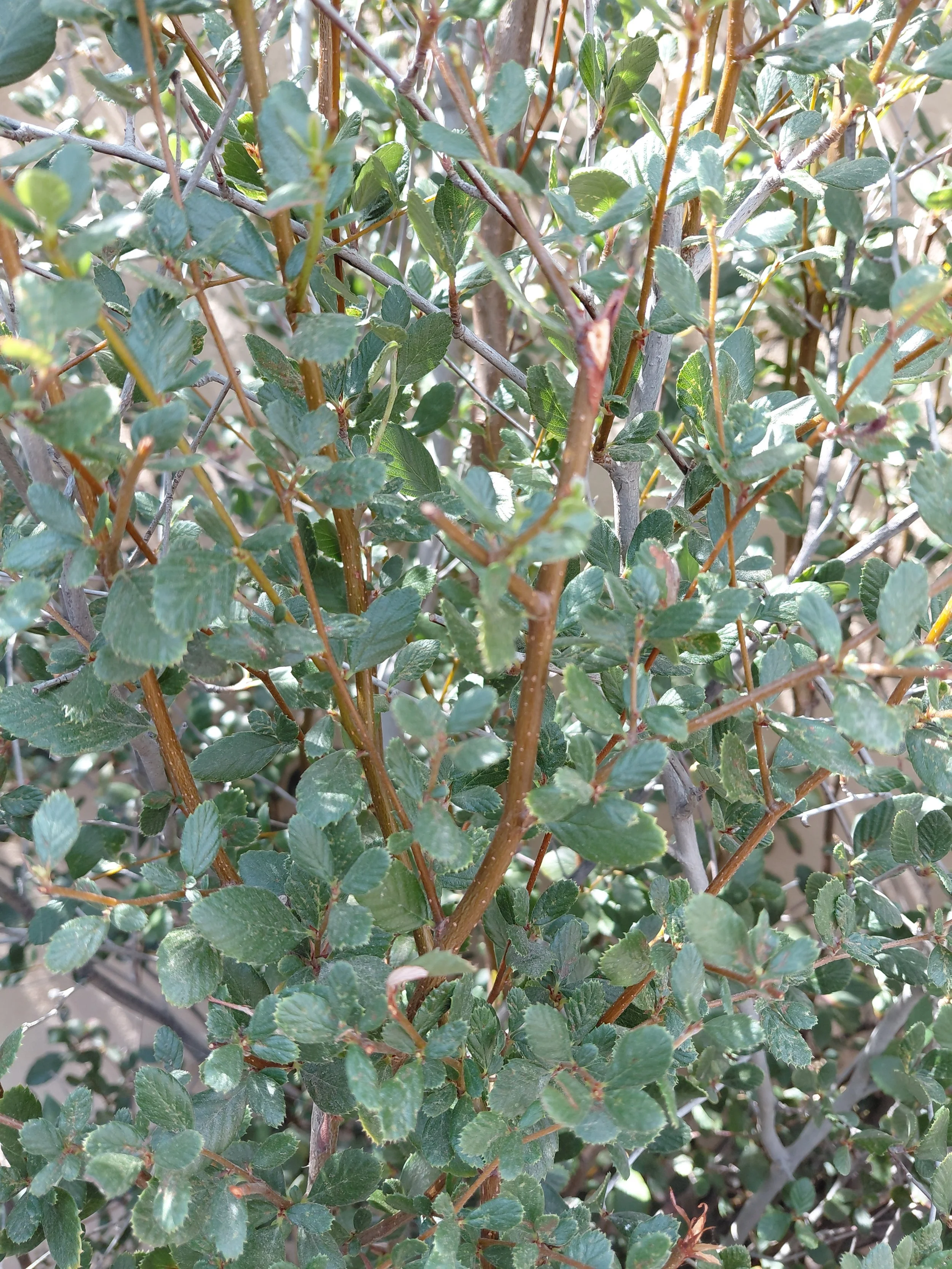
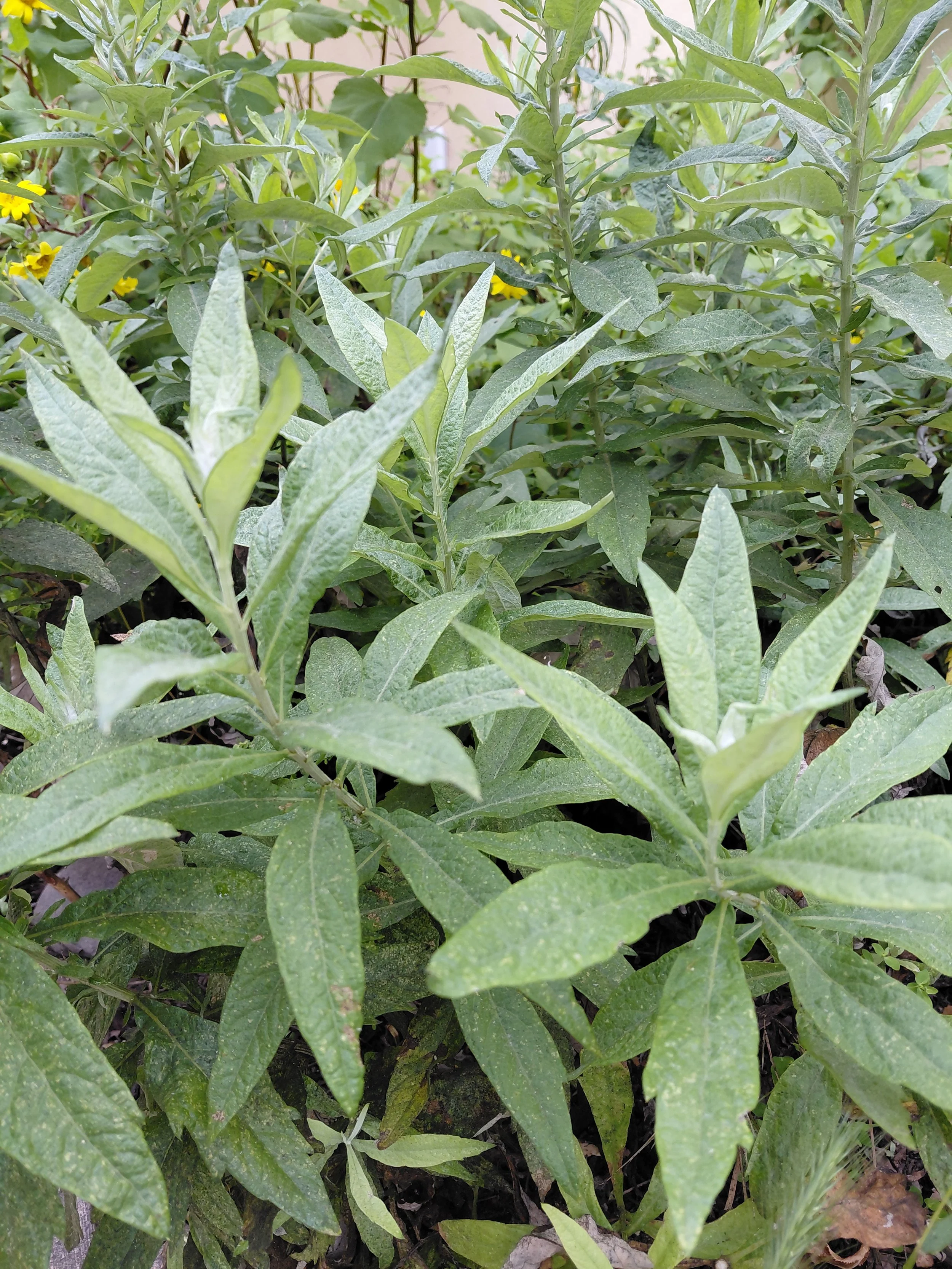
Mugwort
“molɨsh”
Artemisia douglasiana
Sunflower family
Asteraceae
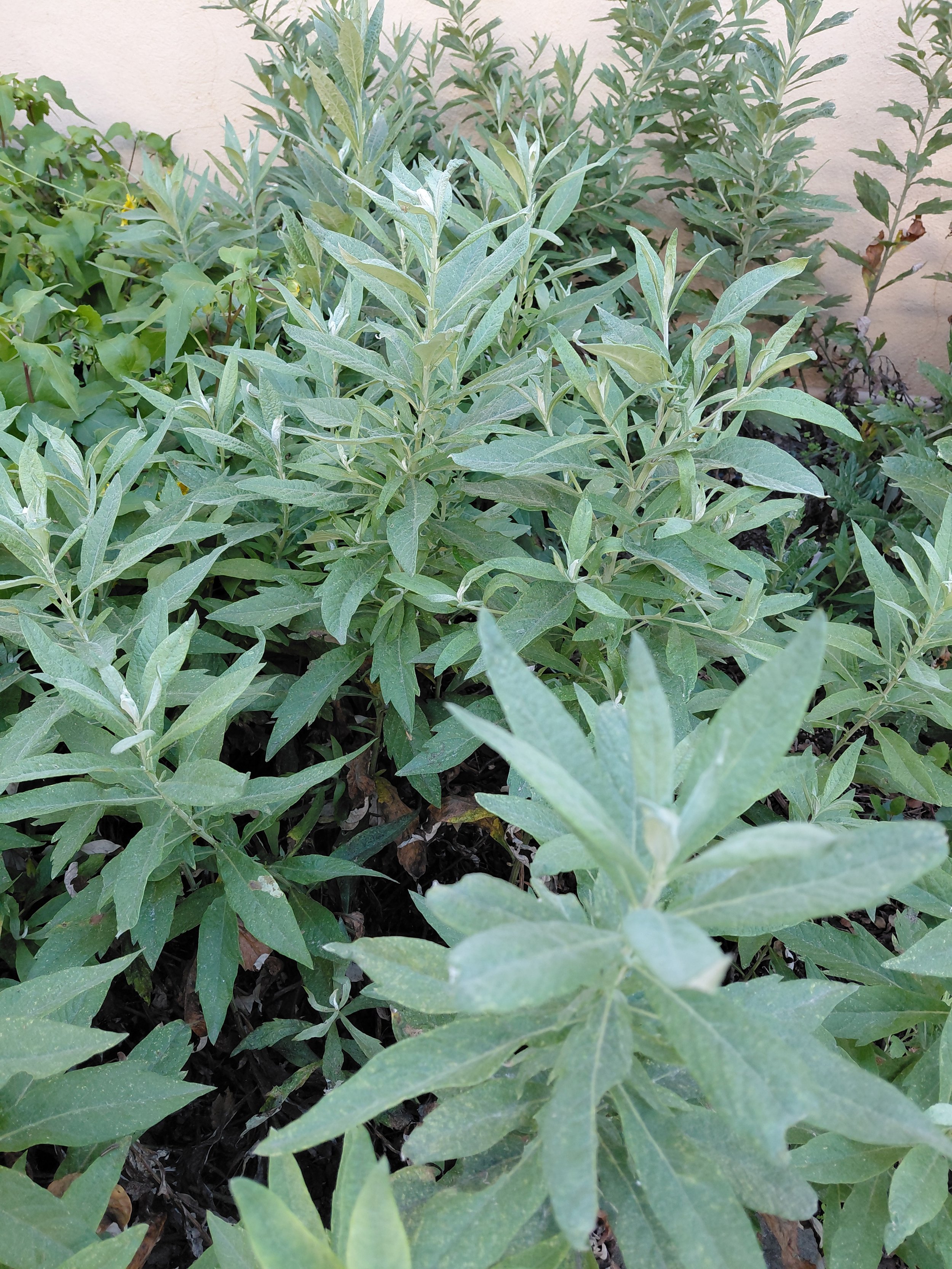
The mashed fresh leaves are used to treat poison oak rash. Chumash healers once applied smoldering cones shaped from the brown lower leaves to cauterize wounds.
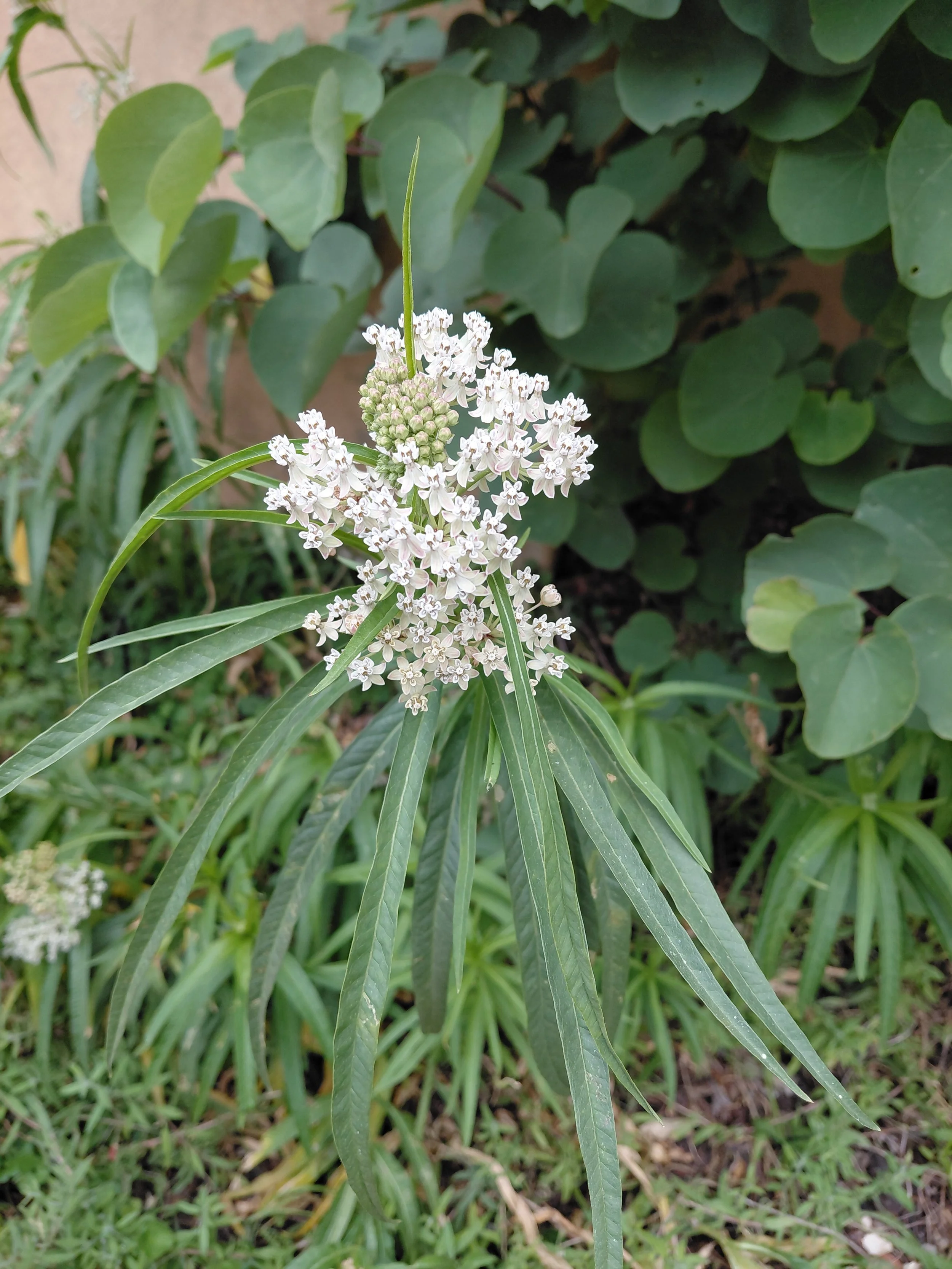
Narrowleaf Milkweed
“usha'ak”
Asclepias fascicularis
Milkweed family
Asclepiadaceae
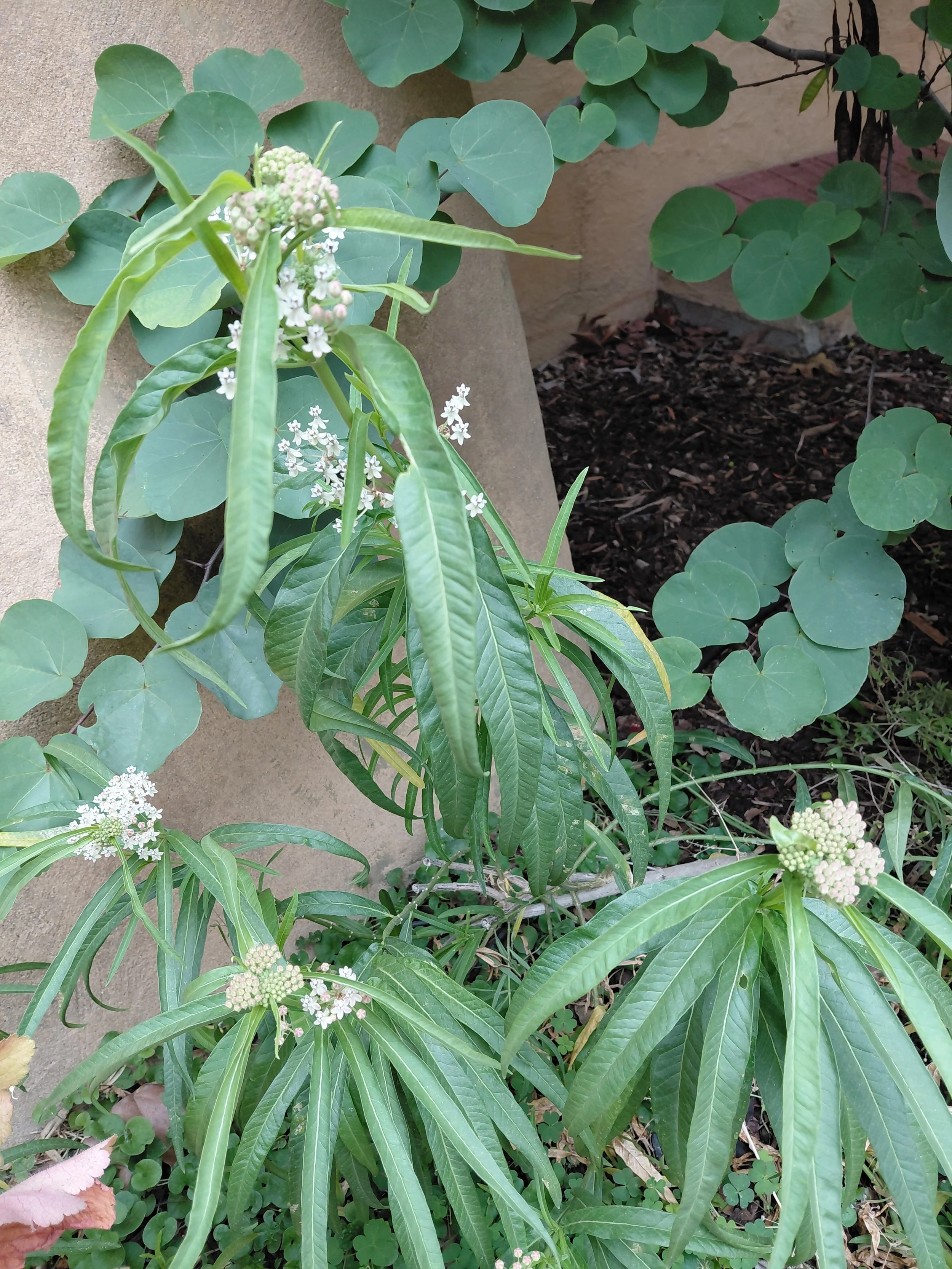
The Chumash use the stems to make string and cordage for carrying nets, belts, and ceremonial feathered skirts for men. Native Milkweed is the host plant for the Monarch butterfly.
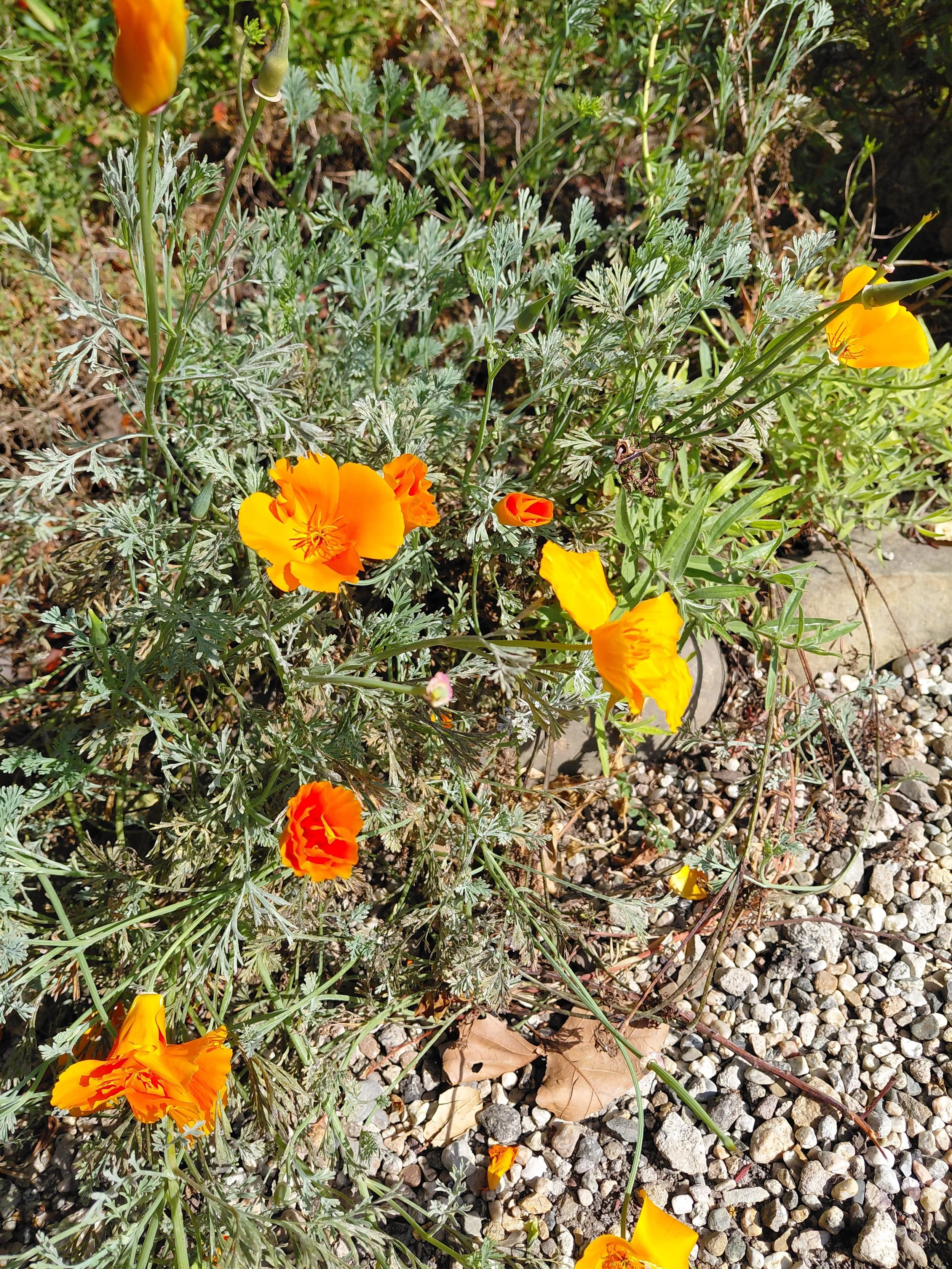
Poppy, California
“qupe”
Eschscholzia californica
“Golden Poppy”
Poppy family
Papaveracea
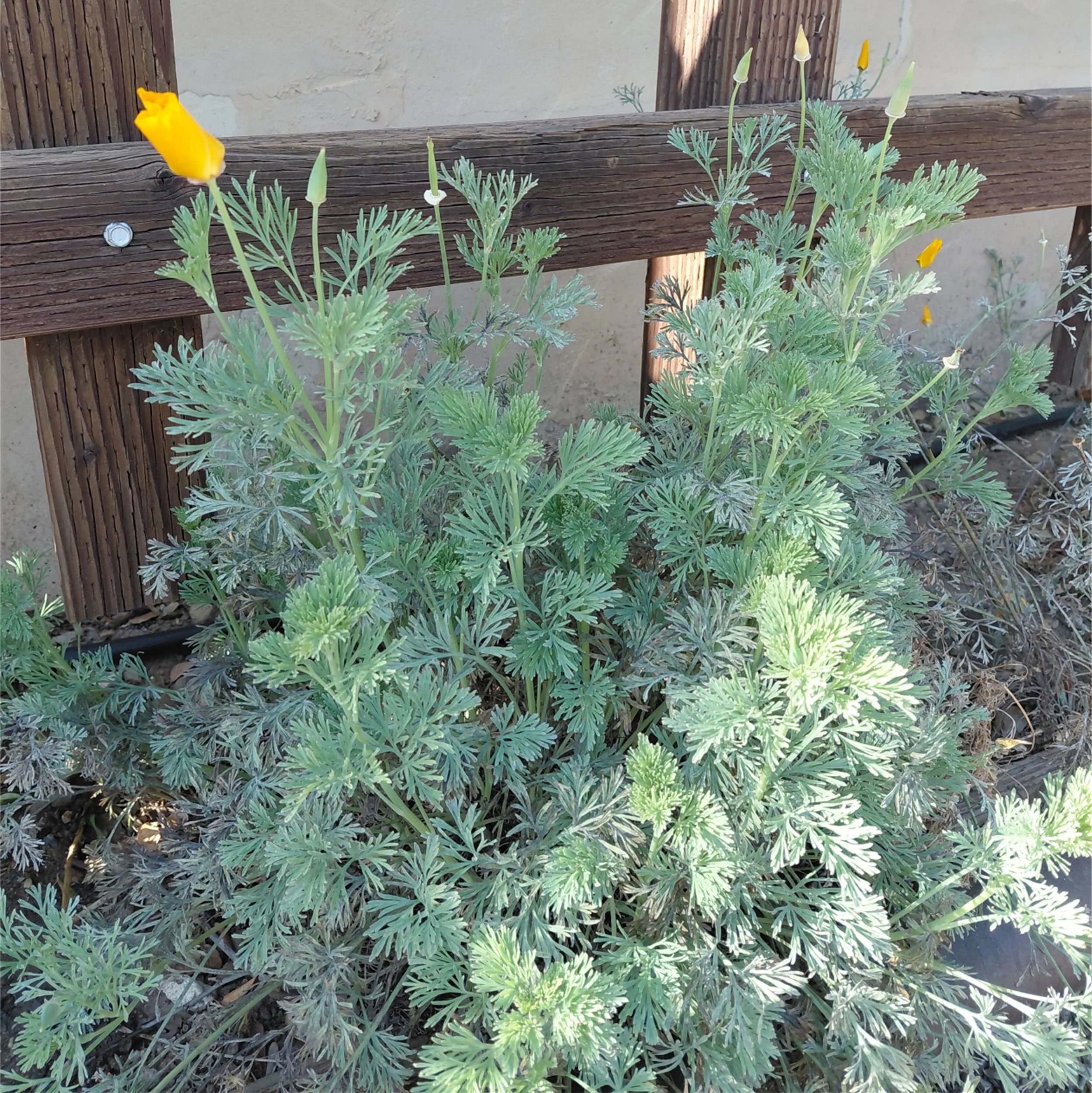
Poppies are used for insomnia, anxiety, cramps, and pain relief. A Chumash legend tells that a raven, qaq, pecks out the eyeballs of the soul who is traveling in the Land of the Dead. The soul inserts poppies in the eye sockets to light its way.
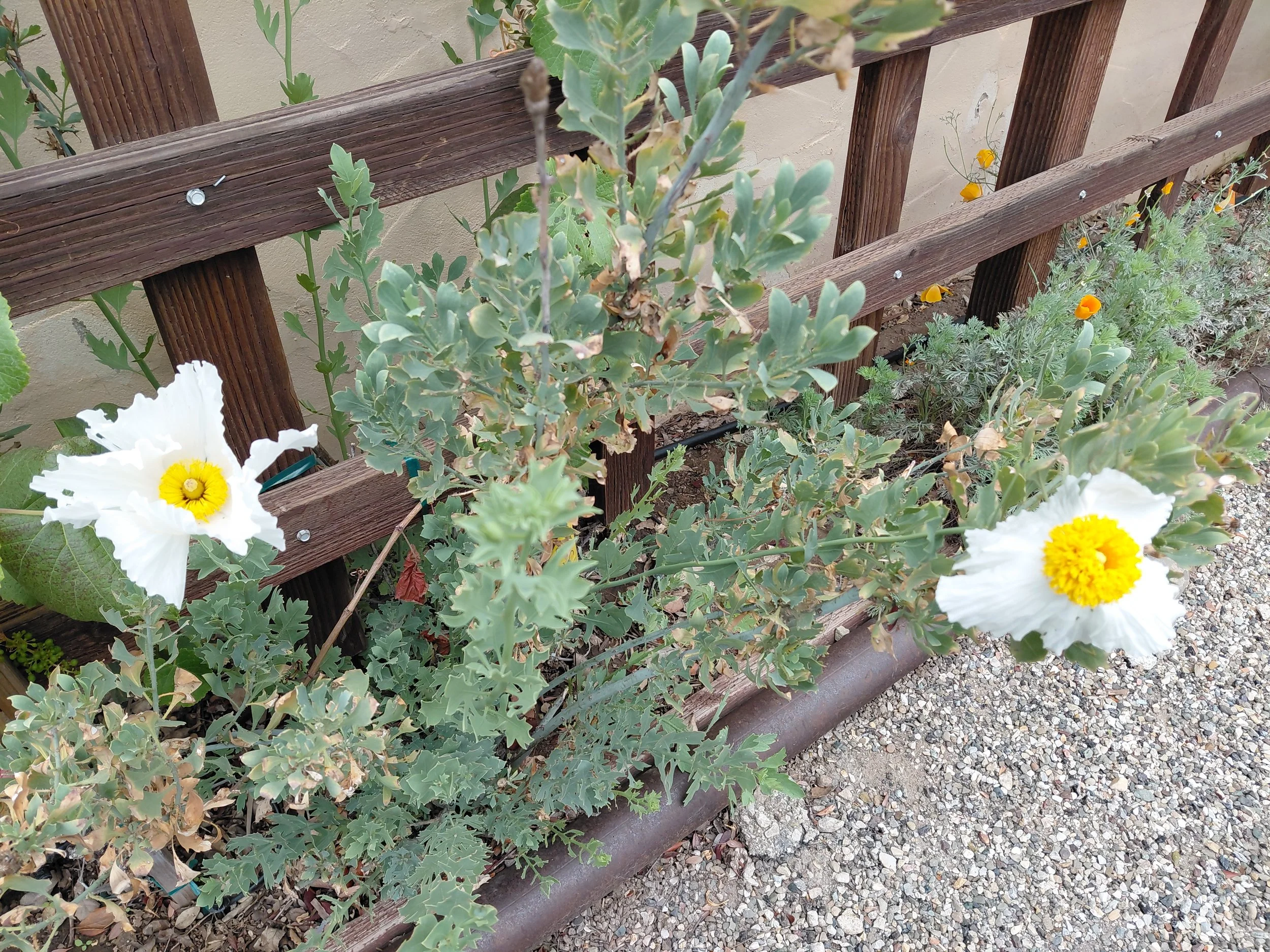
Poppy, Matilija
Romneya coulteri
Poppy family
Papaveraceae
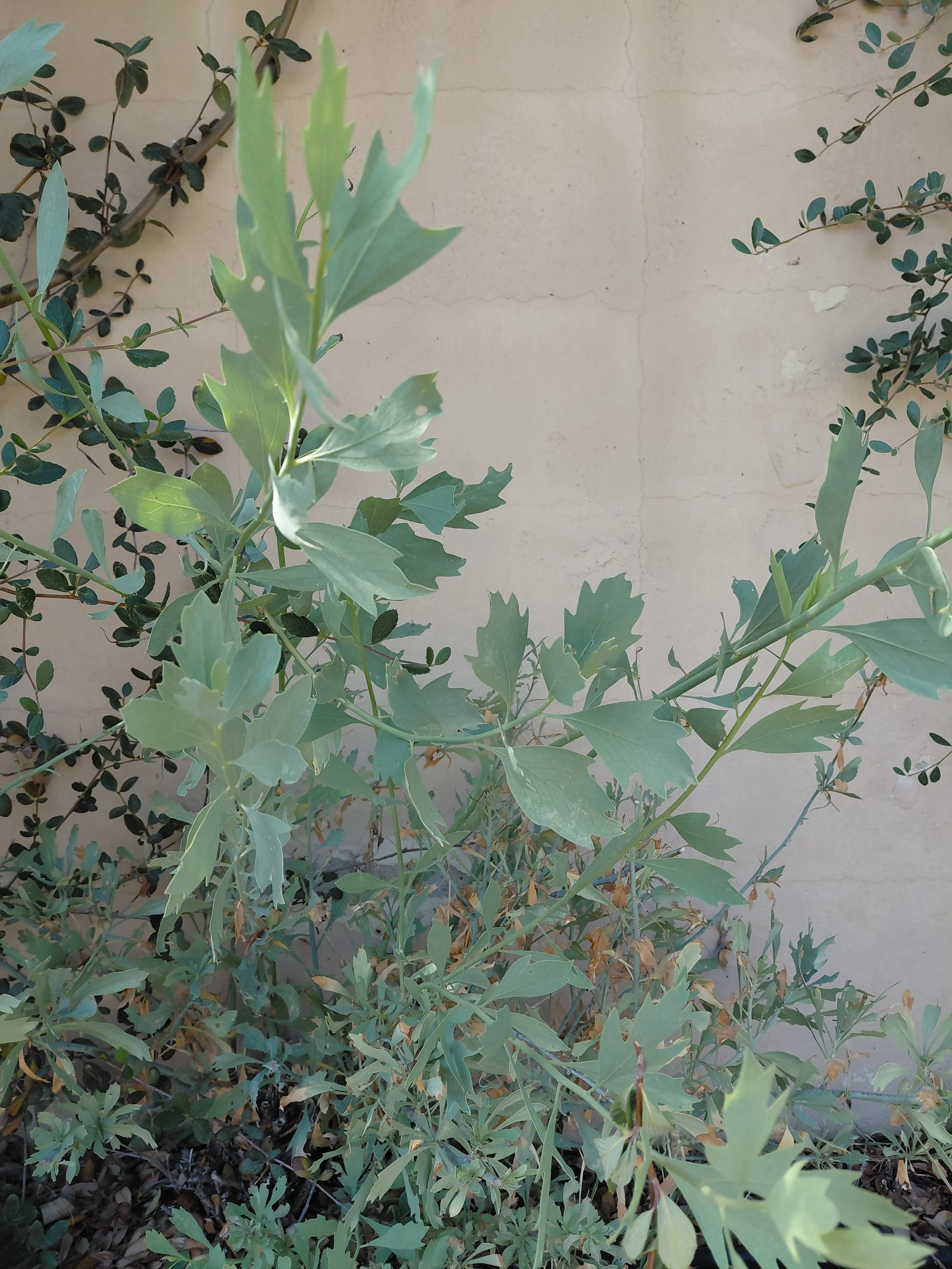
The beautiful and famous Matilija Poppy is named after the Chumash village of Mat'ilha, which means "division." It was located on Matilija Creek, a few miles north of Ojai.
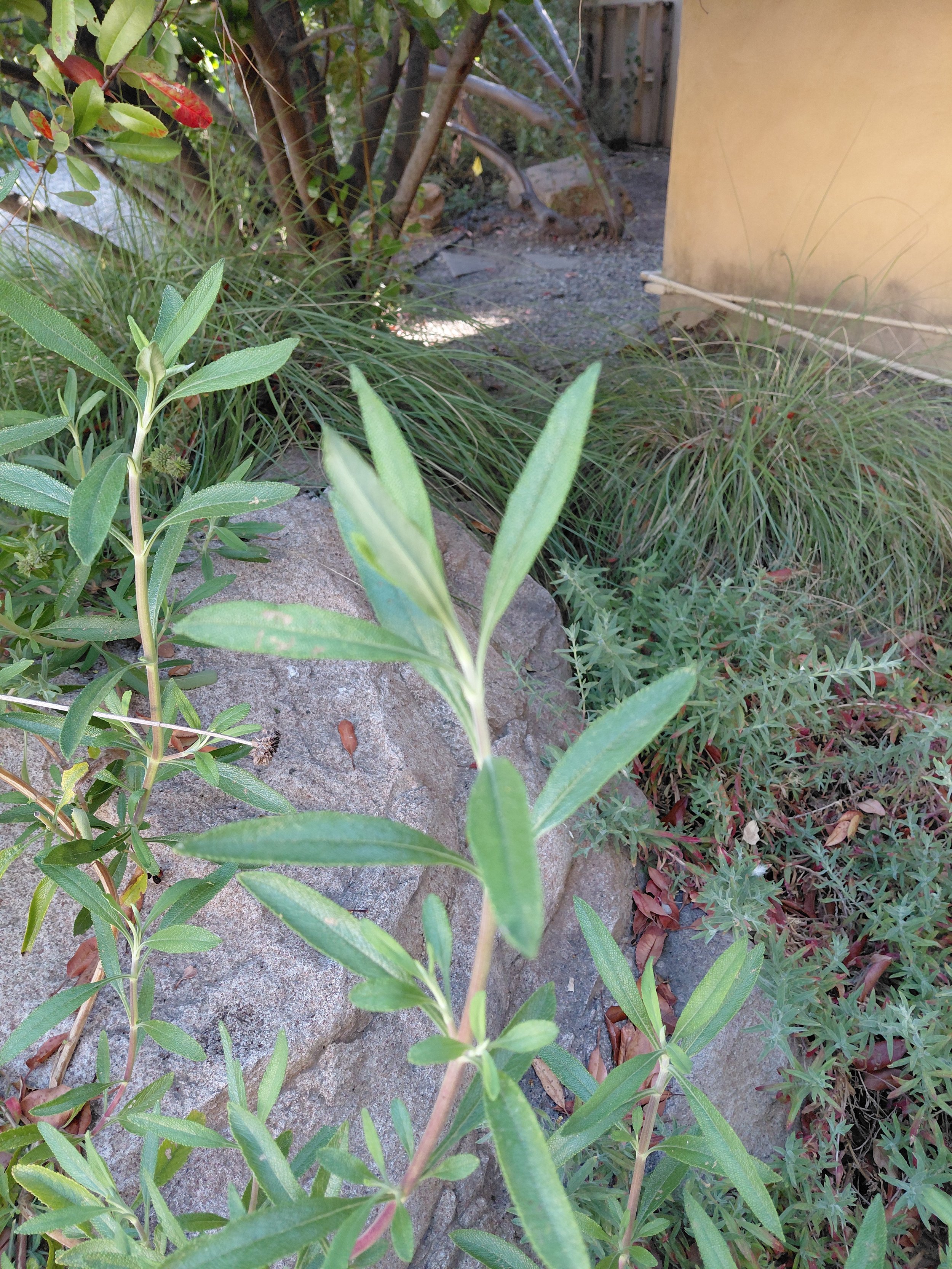
Sage, Black
No known Chumash name
Salvia mellifera
Mint family
Lamiaceae
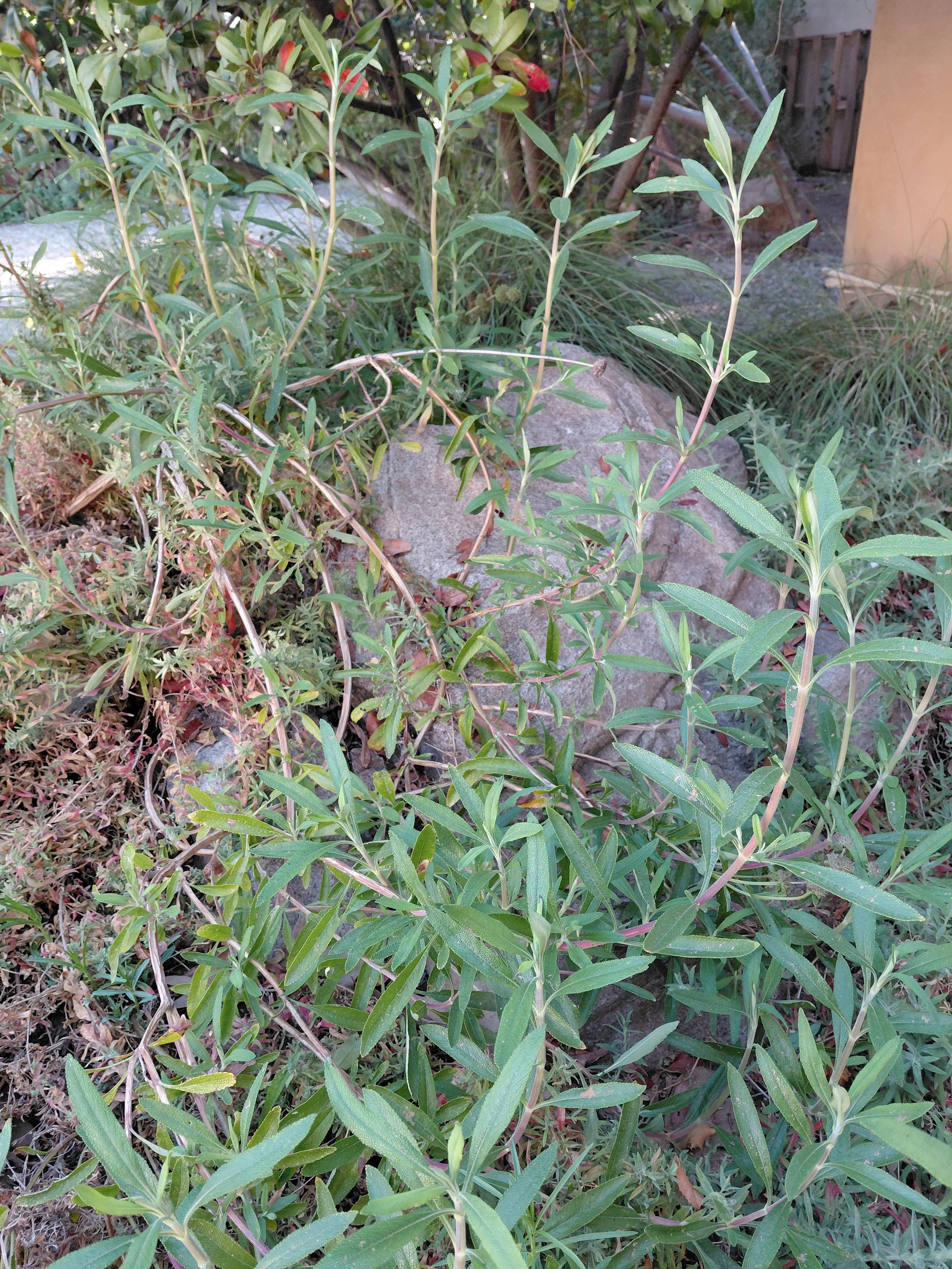
All types of native sage are used by Indigenous tribes for food and medicine. The seeds of Black Sage are eaten and the strong-scented leaves are made into a tea for colds, coughs, and indigestion. A sun tea is used as a foot soak for pain throughout the body.
Sage, Hummingbird
“pakh”
Salvia spathacea
Mint family
Lamiaceae
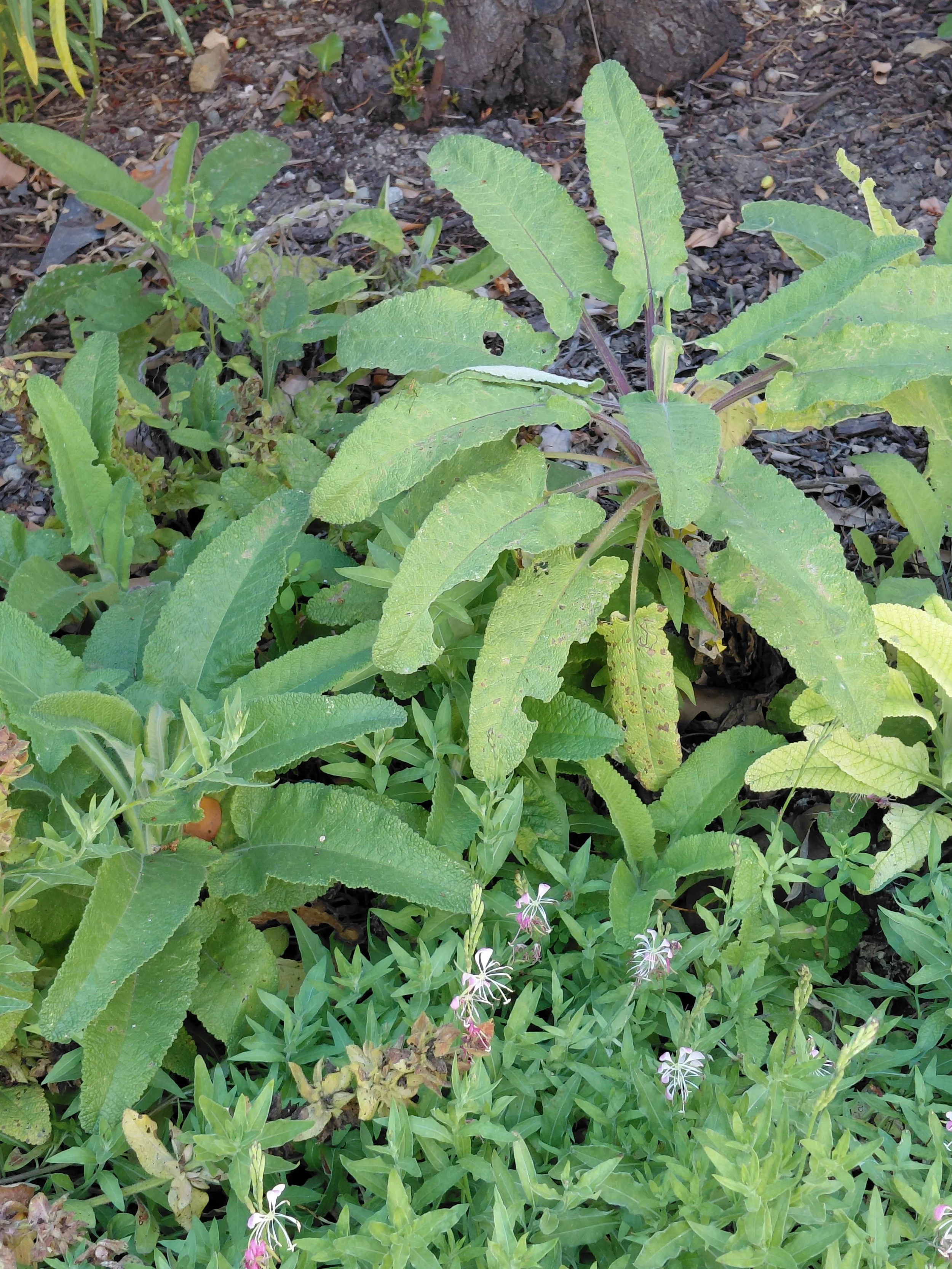
This aromatic, shade-loving sage is native to California and found nowhere else. It is pollinated by hummingbirds. The Chumash use an infusion of the leaves to relieve anxiety, to treat sore throats and chest colds, and as a bath for arthritis and related conditions.
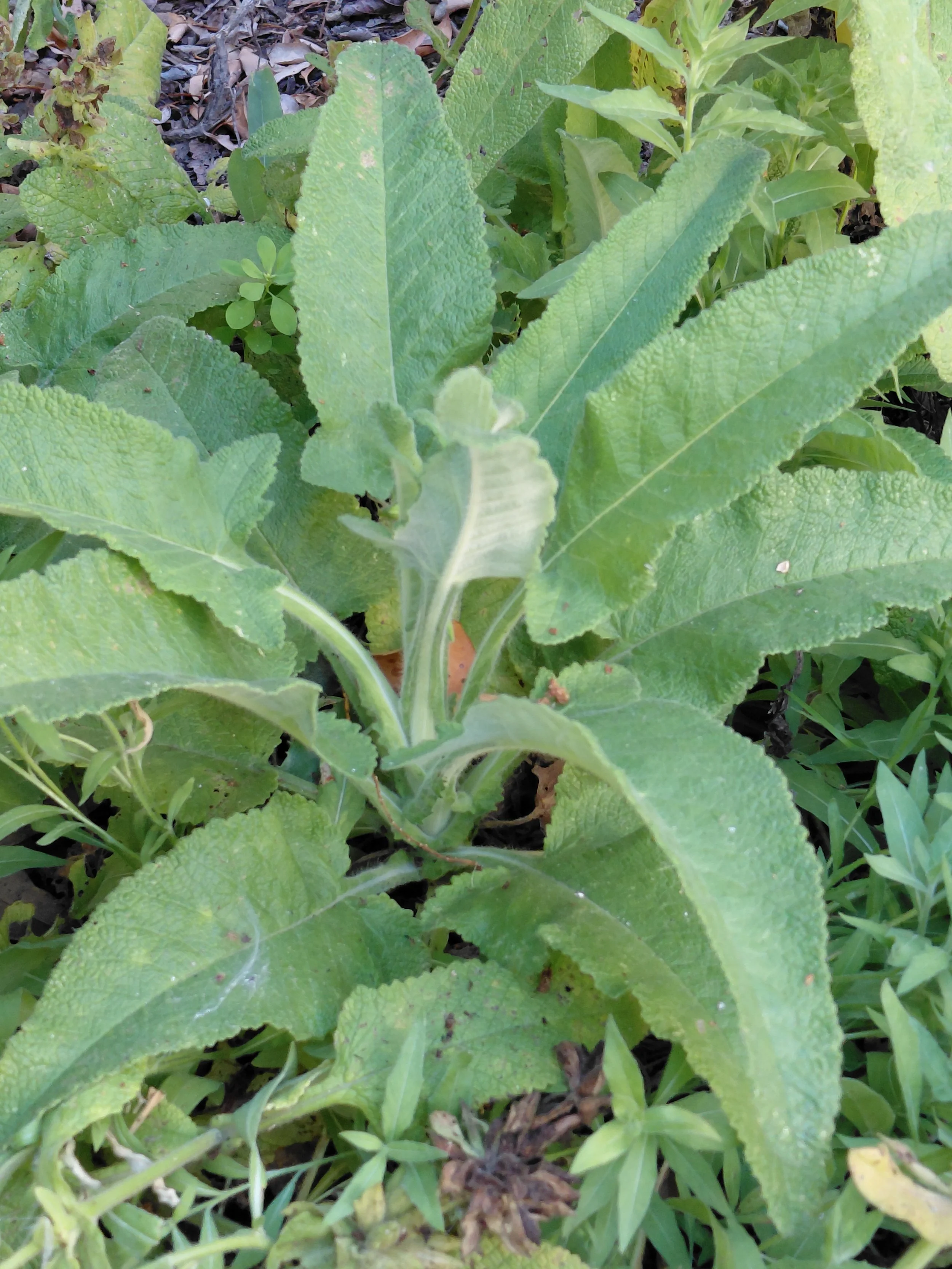
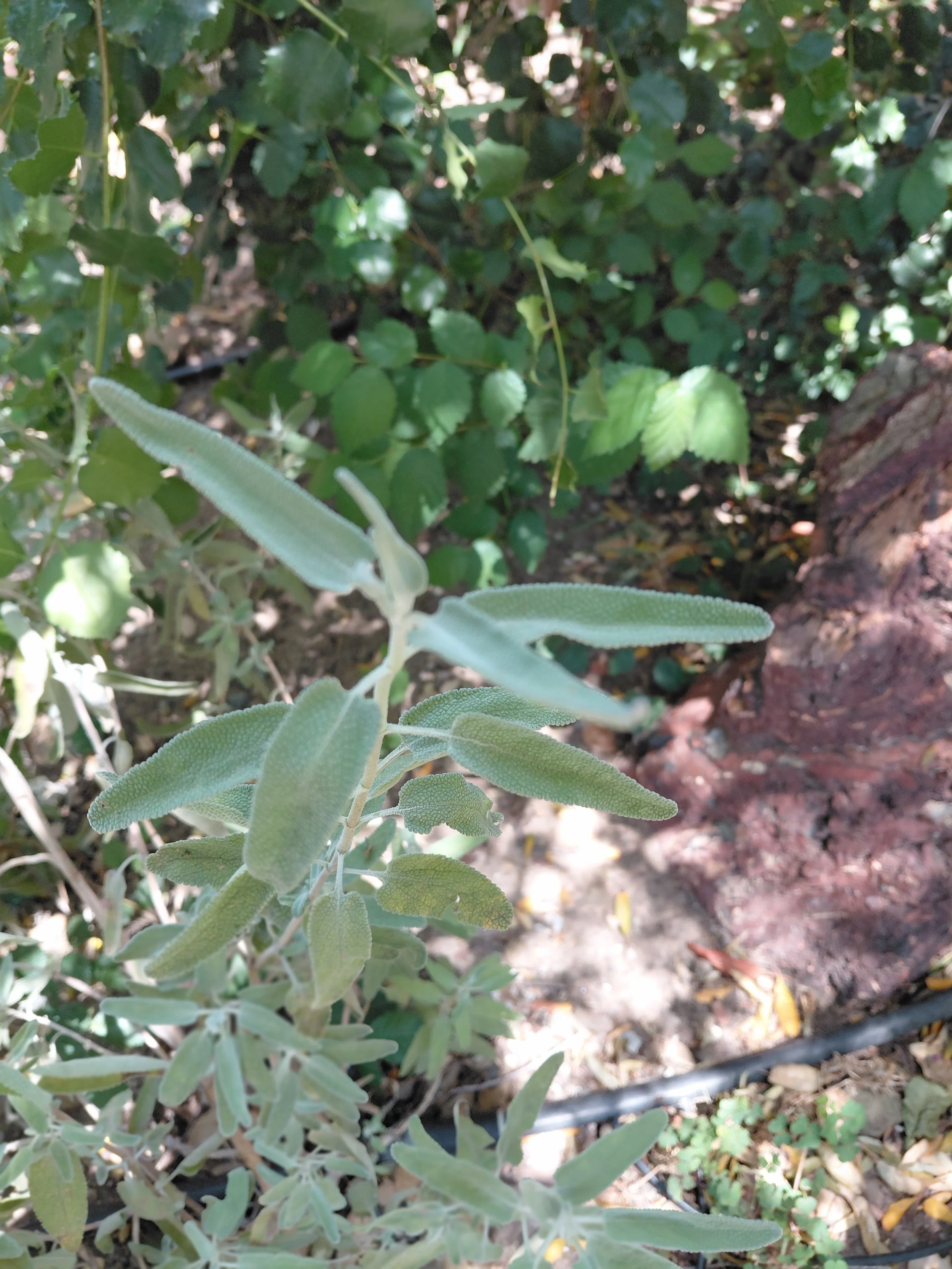
Sage, Purple
No known Chumash name
Salvia leucophylla
“Button Sage”
Mint family
Lamiaceae
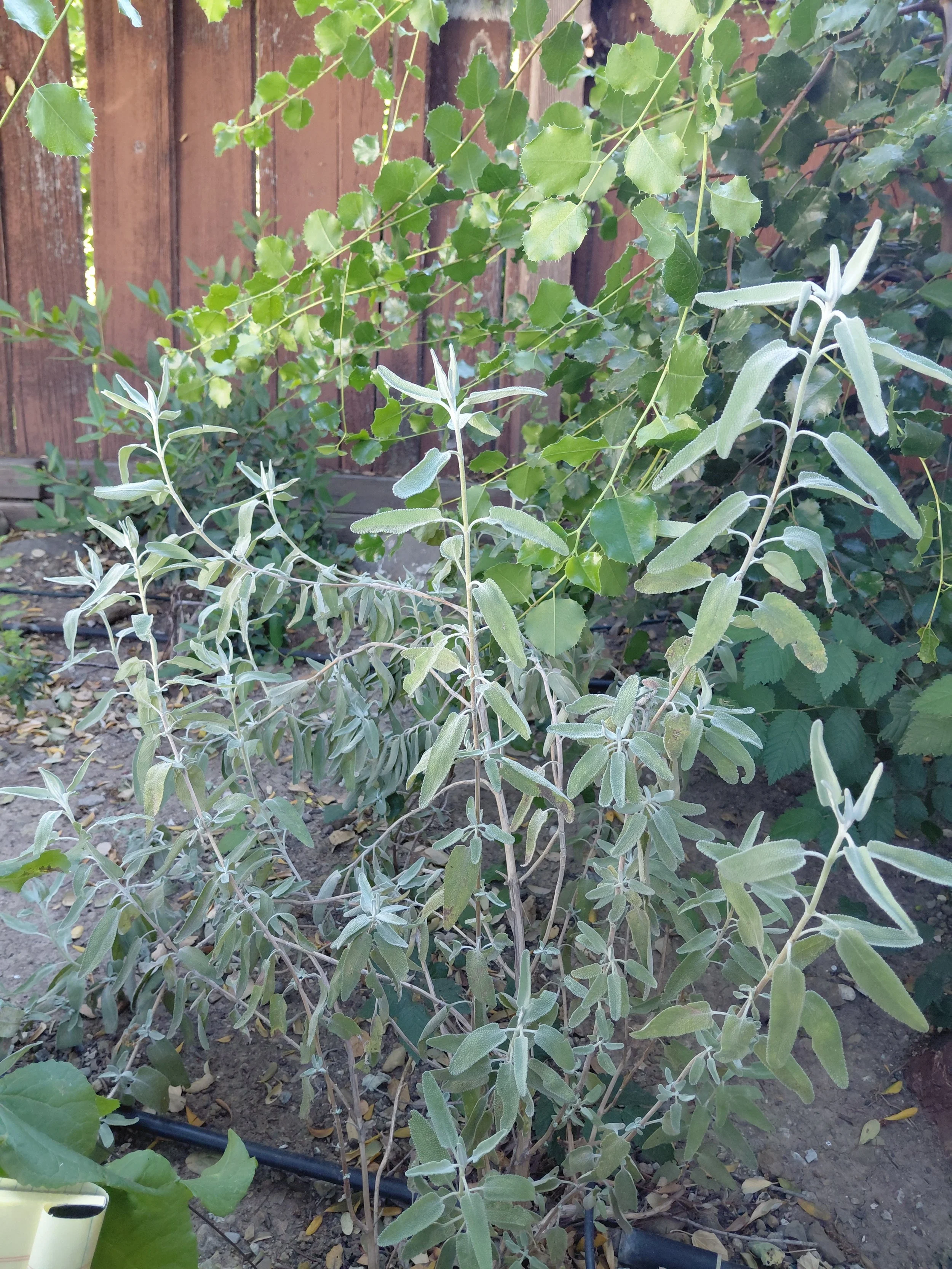
All types of native sage are used by Indigenous tribes for food and medicine. The seeds of Purple Sage are eaten and the aromatic leaves are made into a tea for colds, coughs, and indigestion. The leaves are mild enough to use as a cooking herb.
Sage, White
“khapshɨkh”
Salvia apiana
“Bee Sage”
Mint family
Lamiaceae
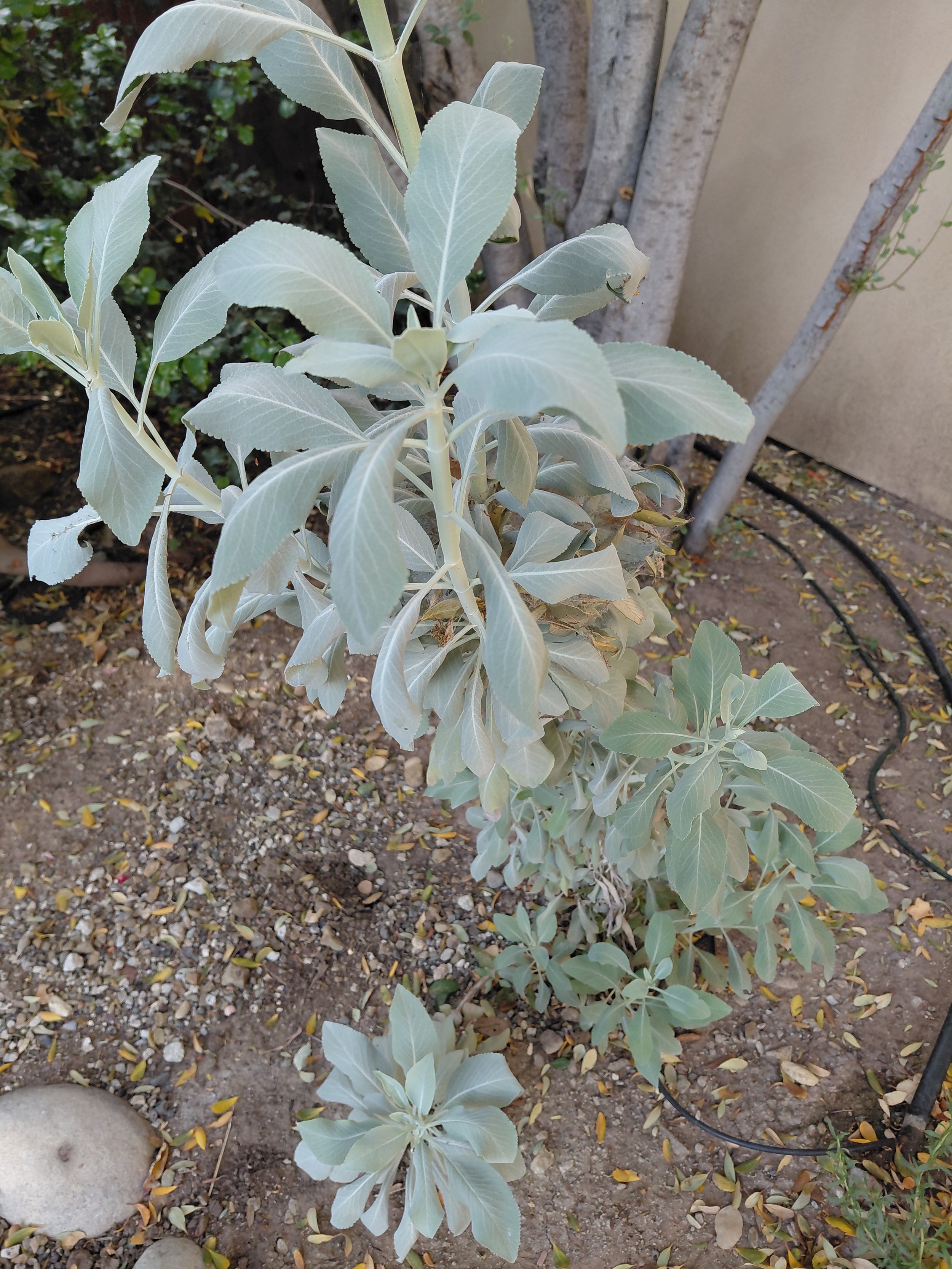
A hot tea of the leaves is sipped and the steam inhaled for colds and sinus congestion. The Chumash peel and eat the young top stems. In past days, they lined the bottom of the acorn granary basket to repel pests. Deer hunters chewed the leaves to disguise their scent.
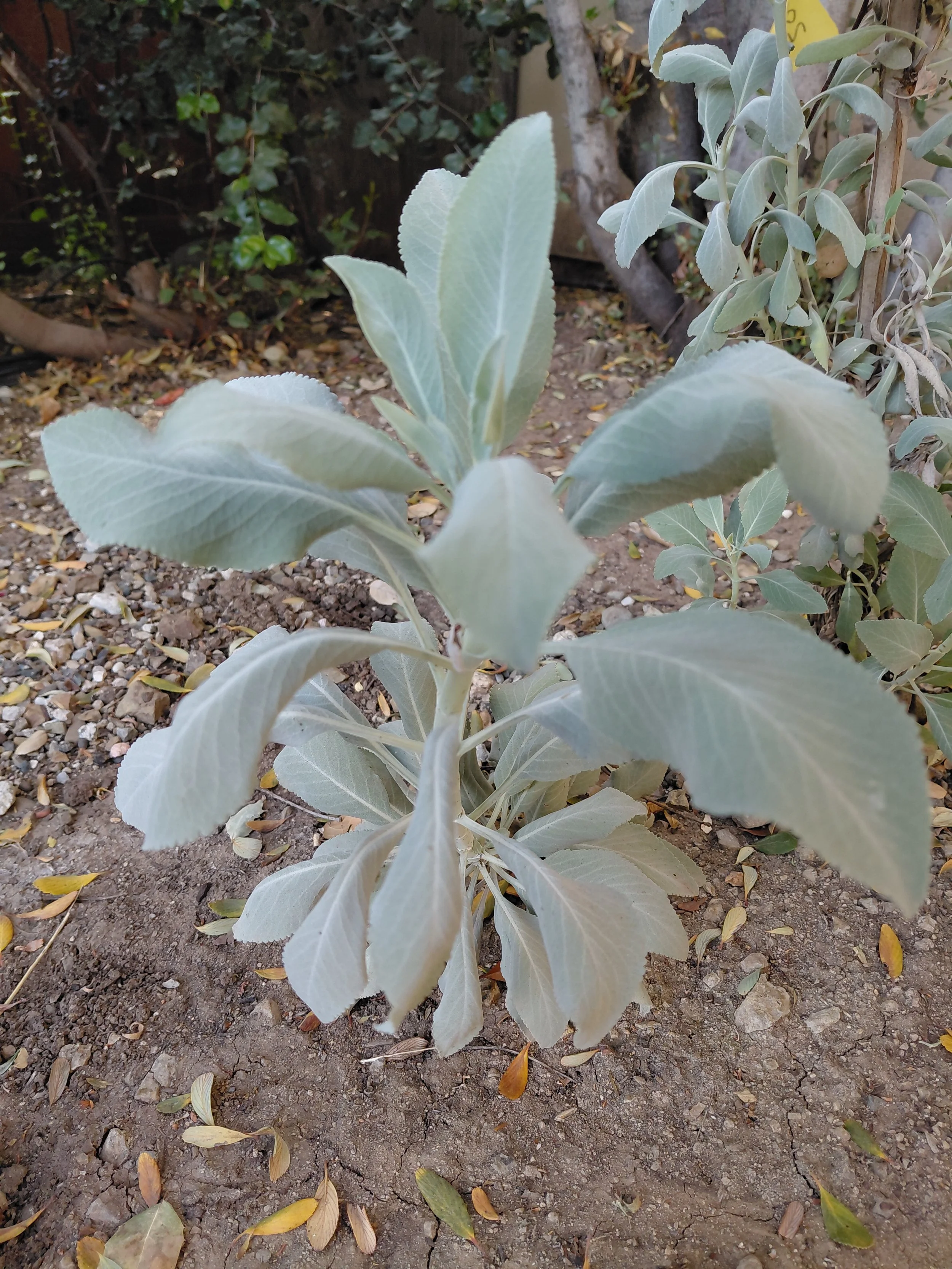
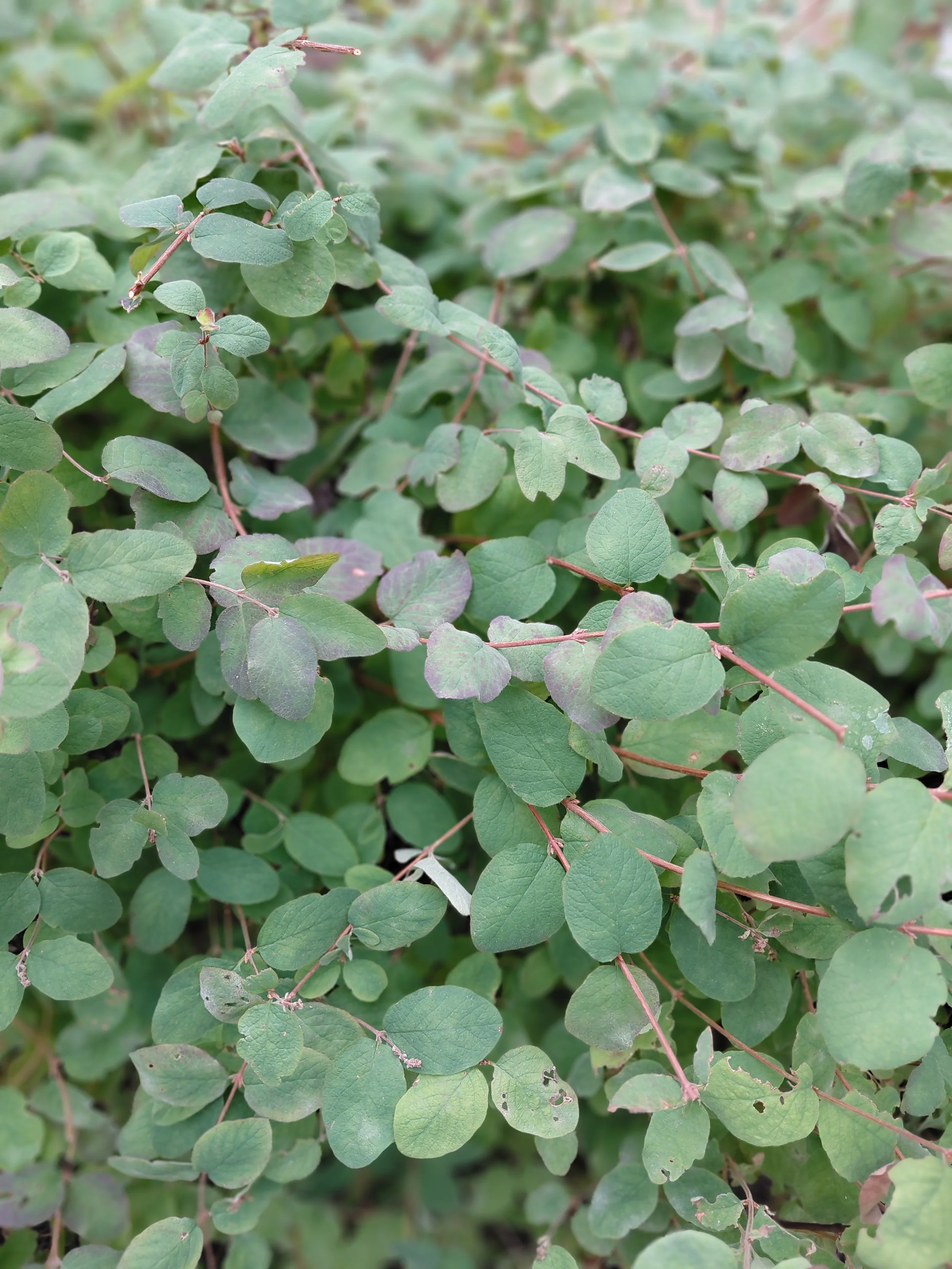
Snowberry
“chtu 'iqonon”
Symphoricarpos mollis
Honeysuckle family
Caprifoliaceae
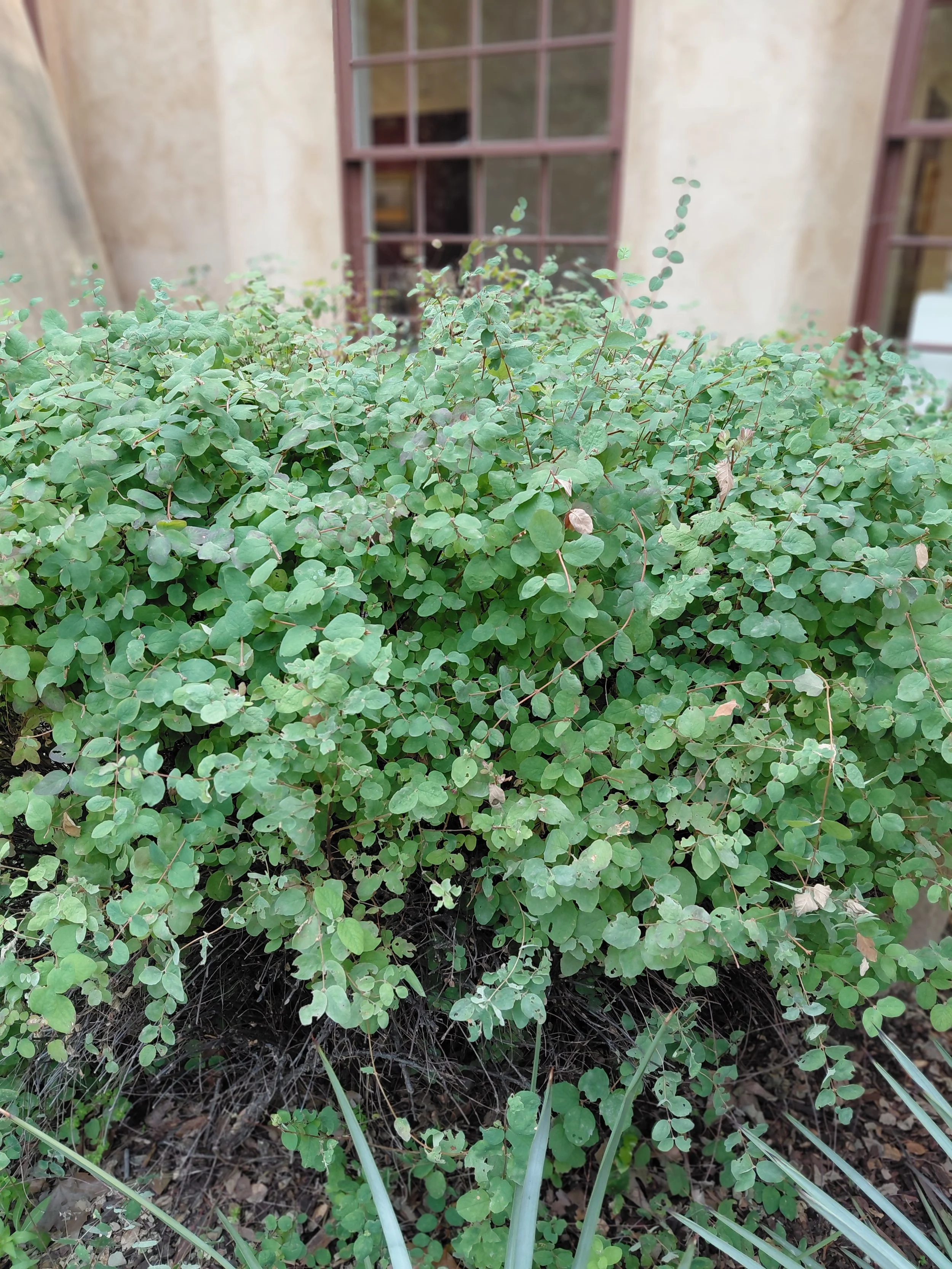
Leafy branches are used to make brooms and brushes. The stems are used to make baskets and toy arrows.
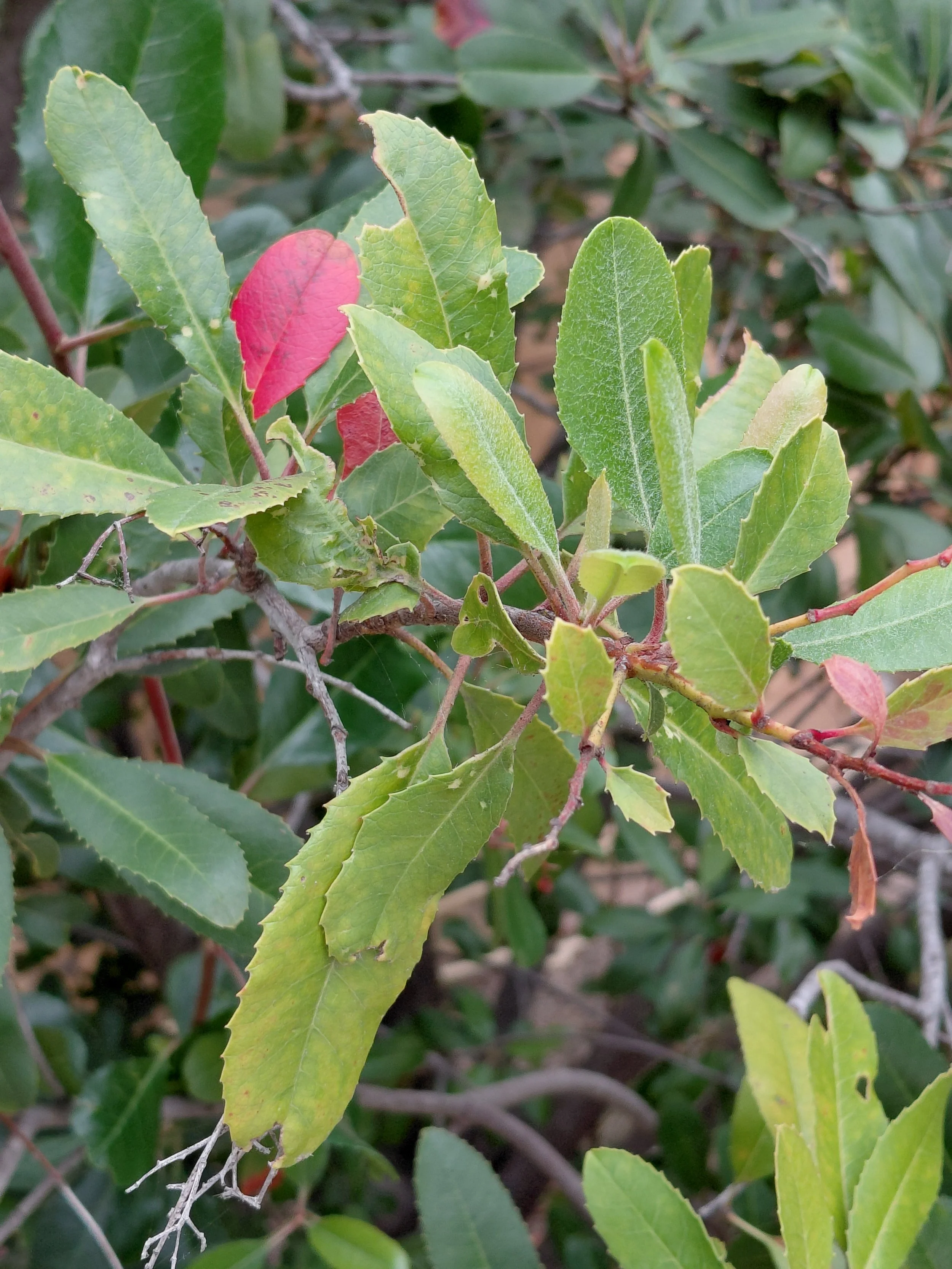
Toyon
“swey”
Heteromeles arbutifolia
California-Holly, Christmas Berry
Rose family
Rosaceae
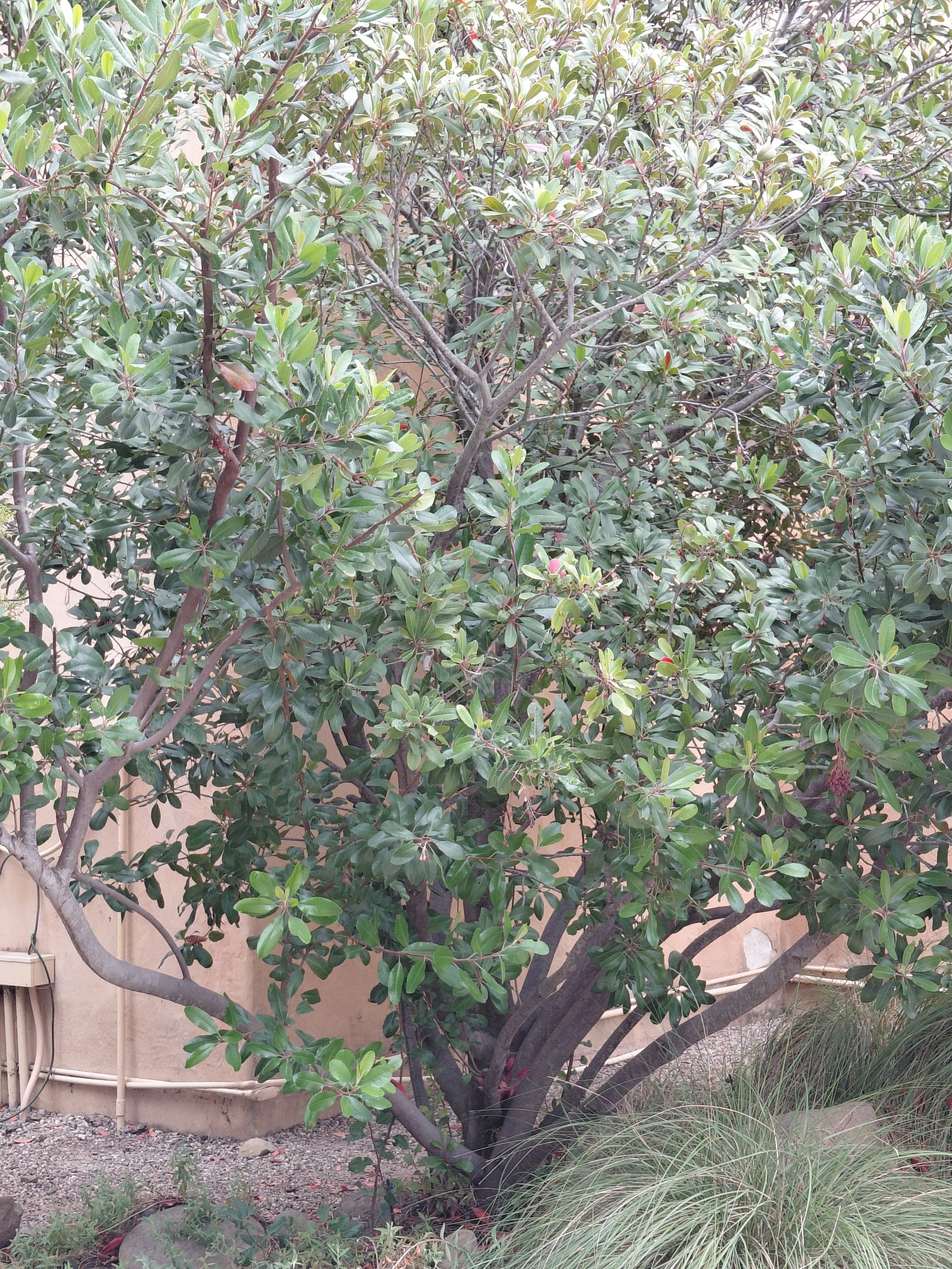
After toasting or drying the ripe berries, the Chumash eat them as a winter food and feed them to elders for dementia. The hard wood is used to make hunting bows, arrows, fishhooks, awls, cups, bowls, drying racks, ceremonial poles, and many more items.
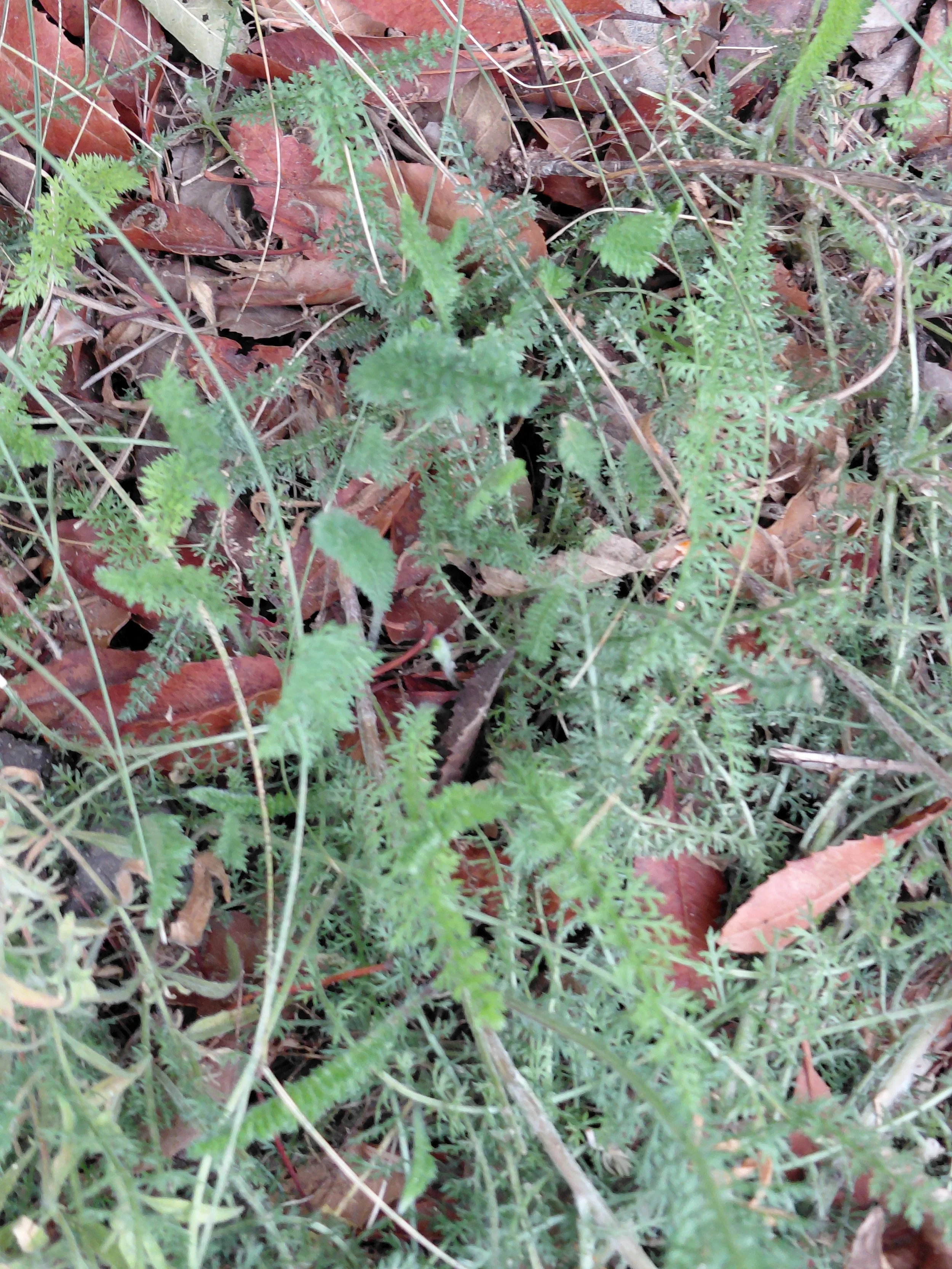
Yarrow
“yepunash”
Achillea millefolium var. californica
Sunflower family
Asteraceae
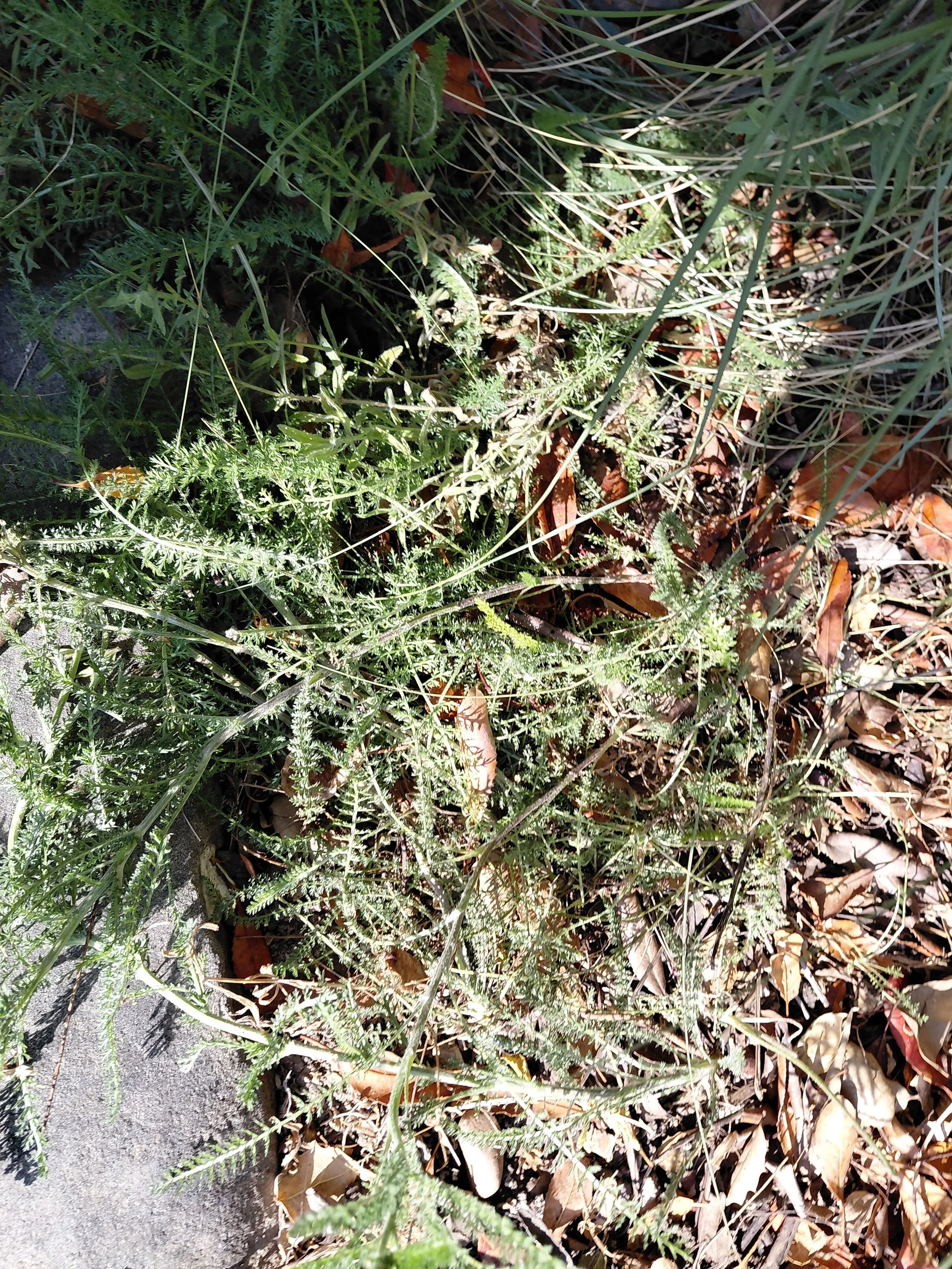
Mashed plants are used as poultices for cuts, sores, and to staunch bleeding. Tea is held in the mouth to relieve toothache or drunk hot to induce sweating to break a fever.
Yucca
“shtakukq”
Hesperoyucca whipplei
Century Plant family
Agavaceae
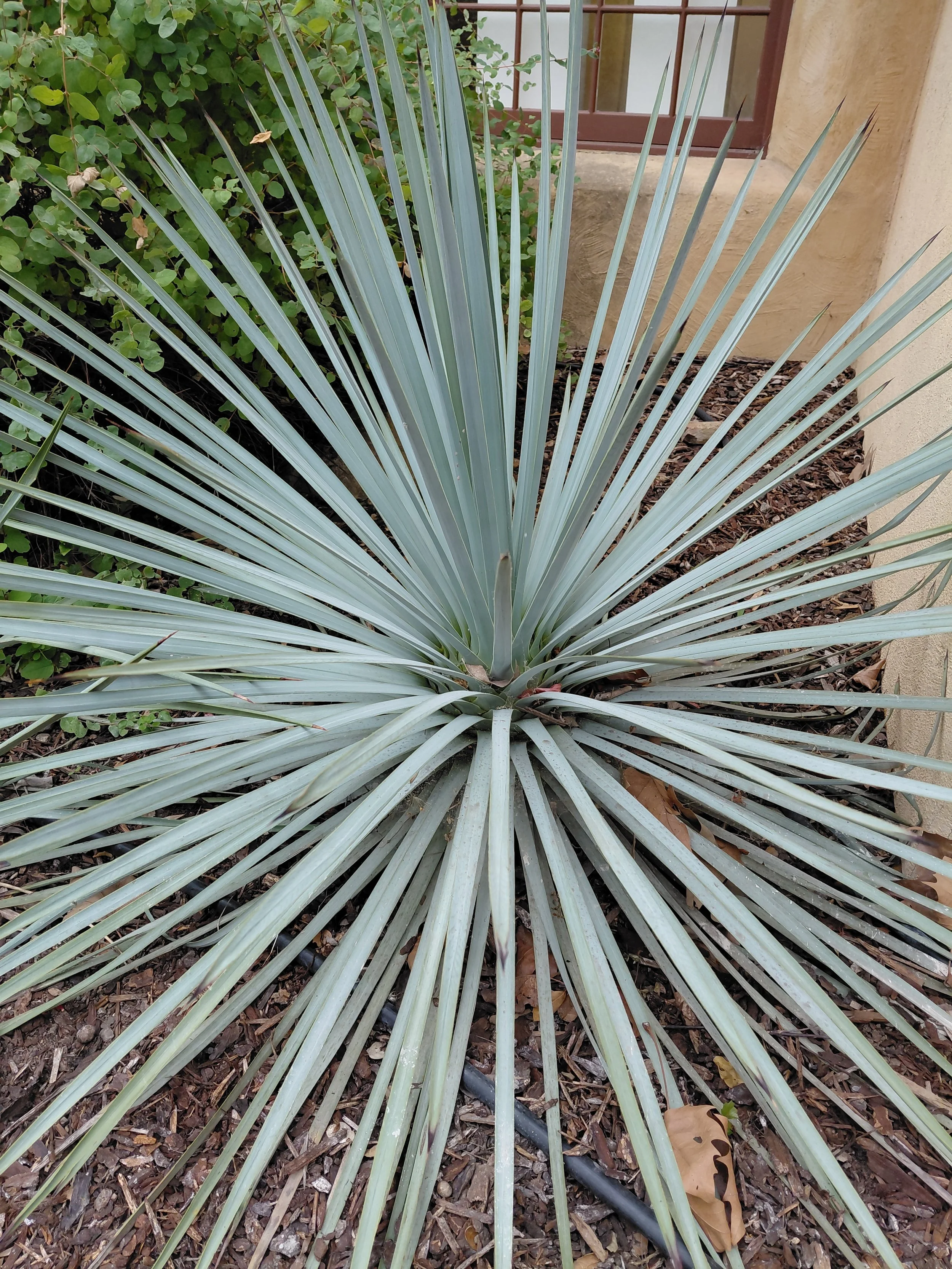
Yucca was once an important plant with many uses. The heart was used fresh for soap or baked in an earth oven and eaten. Fiber from the leaves was used for string and cordage to form sandals and belts. The sharp leaf points were used to pierce ears and for tattooing.